
Transport for London: A Comprehensive Source for Urban Data
Explore how Transport for London (TfL) provides invaluable data for understanding London's transit, streets, and service quality, empowering urban planning and reporting.
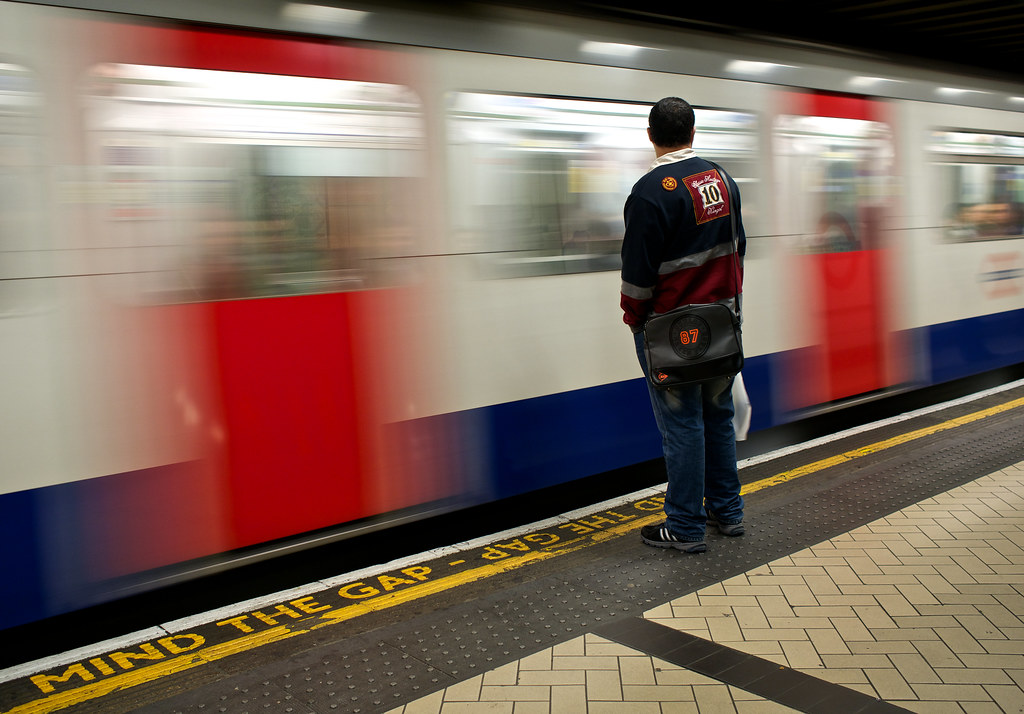
Transport for London (TfL) is the integrated body responsible for the day-to-day running of the public transport network in Greater London. Beyond its operational role, TfL is a critical source of data for anyone seeking to understand and report on the city's transit systems, streetscapes, and the quality of services provided to residents and visitors. For urban planners, researchers, journalists, and engaged citizens, TfL's extensive datasets offer a granular view into the pulse of London's mobility.
Understanding the scope and accessibility of TfL's data is key to leveraging its full potential. The organisation publishes a wealth of information that goes far beyond simple journey planning. This includes data on operational performance, infrastructure, passenger numbers, and even the impact of transport on the urban environment.
TfL's commitment to open data further enhances its utility as a reporting resource. By making a significant portion of its data publicly available, TfL empowers external analysis and innovation, fostering a more informed public discourse on urban development and transport policy.
TfL's Role in London's Transport Ecosystem
Transport for London oversees a vast and complex network, including the London Underground (the Tube), London Buses, London Overground, Docklands Light Railway (DLR), Croydon Tramlink, TfL Rail (now part of the Elizabeth line), and numerous other services. Its remit extends to managing the iconic red buses, regulating taxis and private hire vehicles, and maintaining London's extensive road network, including the Congestion Charge and Ultra Low Emission Zone (ULEZ).
This comprehensive oversight means TfL collects and manages data across a wide spectrum of urban mobility. This data is not only essential for its own operational efficiency and strategic planning but also forms a valuable public resource. Whether you are investigating bus punctuality, the impact of cycling infrastructure, or passenger flow at Tube stations, TfL is the authoritative source.
Reporting on Transit Performance
TfL provides detailed performance statistics for its various transport modes. This data is invaluable for reporting on the reliability and efficiency of London's public transport. For instance, information on service delays, cancellations, and passenger volumes can illuminate trends and highlight areas needing improvement.
Key performance indicators (KPIs) are regularly published, offering insights into factors such as:
| Transport Mode | Key Performance Indicator Examples | Data Availability |
|---|---|---|
| London Underground | Punctuality, frequency, passenger numbers, station crowding | TfL Open Data, TfL website reports |
| London Buses | On-time performance, passenger journeys, route reliability | TfL Open Data, TfL website reports |
| Elizabeth Line | Service punctuality, passenger flow, operational performance | TfL Open Data, TfL website reports |
| Taxis & Private Hire | Licensing data, incident reports (anonymised where appropriate) | TfL website, regulatory publications |
The availability of historical performance data allows for trend analysis, enabling reports that can contextualise current service levels against past performance and identify long-term shifts. This is crucial for understanding the impact of investment, policy changes, or external factors on the transport network.
Street and Public Realm Data
Beyond public transport, TfL plays a significant role in managing London's streets. This includes data related to traffic flow, road conditions, and the implementation of traffic management schemes. For reporting on urban planning initiatives, road safety, or the impact of new infrastructure, TfL's street data is indispensable.
Information on traffic speeds, journey times, and incident logs can provide a clear picture of traffic congestion and its causes. Furthermore, TfL's work on active travel initiatives, such as cycling infrastructure and pedestrian improvements, is supported by data on usage and impact. Reports on the effectiveness of these schemes can be directly informed by TfL's collected metrics.
Service Quality and Passenger Experience
A critical aspect of urban reporting is the quality of services experienced by the public. TfL collects data related to passenger satisfaction, accessibility, and safety across its network. This data offers a direct measure of how well the transport system is serving its users.
Passenger surveys, feedback mechanisms, and operational incident reports all contribute to a comprehensive understanding of service quality. For example, reporting on the accessibility of stations for people with disabilities, the cleanliness of vehicles, or the perceived safety of travel can draw directly from TfL's internal assessments and public feedback channels.
TfL Open Data: A Resource for Deeper Analysis
The TfL Open Data platform is a cornerstone for anyone wishing to conduct in-depth analysis or create data-driven reports. This portal provides access to a vast array of datasets that are regularly updated. Researchers and journalists can download historical and real-time data, enabling them to identify patterns, test hypotheses, and produce evidence-based reporting.
The types of data available through TfL Open Data include:
- Crowding Information: Real-time and historical data on how busy stations and lines are.
- Fare and Ticketing Data: Anonymised data on travel patterns and revenue.
- Operational Data: Performance metrics for various modes of transport.
- Asset Data: Information on the physical infrastructure of the transport network.
- Street Network Data: Details about roads managed by TfL.
It is important to note that while TfL provides access to this data, users are responsible for its interpretation and application. The terms of use for TfL Open Data should always be consulted to ensure compliance.
Limits and Verification
While TfL is an authoritative source, it is essential for readers to understand the limitations and to verify information where necessary. Data is collected for specific purposes, and its interpretation requires context. For instance, passenger numbers might reflect ticket sales rather than unique individuals. Likewise, performance metrics are often based on specific definitions and targets set by TfL.
For the most accurate and up-to-date information, especially concerning project statuses, future plans, funding details, or specific policy requirements, readers should always refer directly to the official Transport for London website and its associated Open Data portal. TfL frequently updates its data and publishes reports on its ongoing initiatives and performance.
Sources and Limits
Transport for London is the primary source for data on London's transport network. Its official website, https://tfl.gov.uk/, provides a comprehensive overview of its services, operations, and strategic plans. For detailed datasets and analytical resources, the TfL Open Data platform at https://tfl.gov.uk/info-for/open-data-users/ is an invaluable tool. These sources are subject to updates and changes, and users are encouraged to consult them directly for the latest information.
Fuentes
- [{"name": "Transport for London", "url": "https://tfl.gov.uk/"}, {"name": "TfL Open Data", "url": "https://tfl.gov.uk/info-for/open-data-users/"}]
Historial de cambios
Ultima revision y actualizacion: 10 June 2026.
Latest related updates

The Shifting Sands of London’s Green Belt: Balancing Development and Conservation
London's Green Belt is a vital buffer against urban sprawl, but increasing housing demand and the climate crisis are putting it under…
Read update
Seattle Halts New Data Center Development for One Year Amidst Power Concerns
The Seattle City Council has approved a one-year moratorium on new data center construction, responding to concerns raised by the city's power…
Read update
San Francisco Dissolves Bicycle Advisory Committee, Raising Concerns for Cyclist Advocacy
San Francisco's Bicycle Advisory Committee, a key voice for cyclists for over 35 years, has been dissolved as part of a city-wide…
Read update
HUD Suspends Federal Funds for LA Homelessness Agency Amid Fraud Allegations
The U.S. Department of Housing and Urban Development (HUD) has moved to suspend federal funding for the Los Angeles Homeless Services Authority…
Read update