
Transport for London: A Comprehensive Data Source for Urban Planning and Reporting
Uncover the wealth of data provided by Transport for London (TfL) for in-depth reporting on London's transit, streets, and service quality.
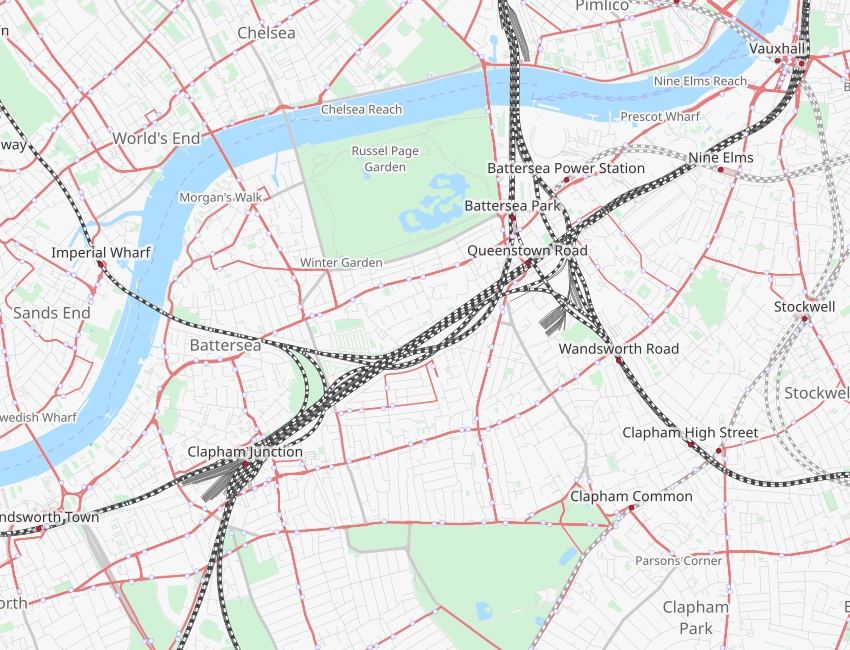
Transport for London (TfL) is a pivotal organisation for understanding and reporting on the intricate workings of London’s urban landscape. Beyond its role in managing the city’s vast public transport network, TfL serves as an invaluable source of data for analysis related to transit operations, street management, and the overall quality of services experienced by Londoners and visitors alike. This reference page explores how TfL’s official channels and open data initiatives can be leveraged for comprehensive reporting and research.
Understanding TfL’s Scope
TfL oversees a complex and integrated transport system that includes the London Underground, London Buses, London Overground, Docklands Light Railway (DLR), trams, cycling infrastructure, and the majority of the capital’s road network. This extensive remit means TfL is a primary collector and disseminator of information pertaining to mobility, infrastructure, and passenger experience across the city. Its official website, tfl.gov.uk, provides a wealth of information, from service updates and journey planners to policy documents and strategic plans.
Reporting on Transit Performance
For journalists, researchers, and urban planners, TfL’s data is crucial for reporting on the efficiency, reliability, and accessibility of London’s public transport. Performance metrics such as passenger numbers, service punctuality, and disruption reports are vital for assessing the health of the transit system. TfL regularly publishes performance statistics, which can be used to track trends, identify areas for improvement, and benchmark against other global cities.
The TfL Open Data portal (https://tfl.gov.uk/info-for/open-data-users/) is a treasure trove for those needing granular data. It offers access to datasets covering various aspects of the transport network, including:
- Live and historical travel information: Real-time updates and past performance data for Tube, bus, and rail services.
- Fares and ticketing data: Insights into travel patterns and revenue.
- Asset information: Details on infrastructure such as stations and lines.
- Environmental data: Information related to emissions and noise pollution from transport.
This data allows for detailed analysis of passenger flow, network capacity, and the impact of operational changes. For instance, reporting on the effectiveness of new service patterns or the challenges posed by infrastructure upgrades can be significantly enhanced by direct access to TfL’s performance figures.
Street and Public Realm Reporting
TfL’s responsibility extends to managing a significant portion of London’s road network, including its iconic red routes. This involvement makes it a key source for reporting on street infrastructure, traffic management, and the public realm. Data related to road closures, traffic incidents, and street works provides critical context for understanding urban mobility challenges and planning developments.
The organisation also plays a role in initiatives that shape the streetscape, such as cycling infrastructure development (e.g., Cycle Superhighways) and the implementation of traffic reduction schemes like the Ultra Low Emission Zone (ULEZ). Information on these schemes, their operational data, and their impacts is often available through TfL’s official publications and data releases. This enables reporting on how urban design and traffic policies affect air quality, pedestrian safety, and overall liveability.
Assessing Service Quality
Beyond raw operational data, TfL provides insights into passenger satisfaction and service quality. Customer feedback mechanisms, surveys, and complaints data, where made available, offer a qualitative dimension to reporting. Understanding passenger perceptions of safety, cleanliness, staff helpfulness, and journey experience is essential for a holistic view of urban transport.
The organisation’s commitment to accessibility means that data related to step-free access, the availability of facilities at stations, and the performance of accessible transport options is also a crucial area for reporting. This is particularly important for ensuring that London’s transport system serves all its users equitably.
Data Availability and Usage
The TfL Open Data portal is designed for developers, analysts, and researchers. It hosts a wide array of datasets in various formats, often including CSV, JSON, and APIs. Users are encouraged to familiarise themselves with the terms and conditions for using TfL data, which typically require attribution and adherence to data privacy regulations.
Key data categories available through TfL Open Data include:
| Data Category | Description | Example Use Cases |
|---|---|---|
| Crowding Information | Data on passenger load and density across various transport modes. | Reporting on peak hour congestion, identifying underutilised services. |
| Journey Data | Aggregated data on travel times and routes across the network. | Analysing commuter patterns, assessing network efficiency. |
| Station Information | Details on station facilities, accessibility, and operational status. | Reporting on accessibility improvements, station upgrades, passenger amenities. |
| Traffic Data | Real-time and historical traffic flow and incident information on red routes. | Monitoring traffic congestion, assessing impact of roadworks. |
| Trams and Buses | Performance data, routes, and schedules for bus and tram services. | Evaluating public transport coverage, reporting on service reliability. |
It is important to note that data availability and format can change. For the most current and detailed information, users should always refer directly to the TfL Open Data portal.
Sources and Limits
When reporting on London’s transport, streets, and services, Transport for London (TfL) and its Open Data portal are primary and official resources. Their data provides a robust foundation for factual reporting. However, it is crucial to acknowledge potential limitations:
- Data Granularity: While extensive, some datasets may be aggregated, limiting the ability to perform highly specific micro-level analysis without further permissions or direct engagement with TfL.
- Timeliness: While live data is available for some services, historical data may have a lag. Always check the update frequency for specific datasets.
- Interpretation: Data provides the facts, but interpretation requires domain expertise and consideration of broader urban planning contexts. TfL’s official publications often provide valuable context for understanding the data.
- Dynamic Nature: Transport systems are constantly evolving. Service patterns, infrastructure, and policies can change. Readers should always be directed to tfl.gov.uk and the TfL Open Data portal for the most up-to-date information.
By leveraging the official resources of Transport for London, reporters and researchers can gain deep insights into the operational dynamics and service quality of one of the world’s most complex urban transport systems.
Sources and Limits
* Transport for London: https://tfl.gov.uk/
* TfL Open Data: https://tfl.gov.uk/info-for/open-data-users/
Fuentes
- [{"name": "Transport for London", "url": "https://tfl.gov.uk/"}, {"name": "TfL Open Data", "url": "https://tfl.gov.uk/info-for/open-data-users/"}]
Historial de cambios
Ultima revision y actualizacion: 11 June 2026.
Latest related updates
The Shifting Sands of London’s Green Belt: Balancing Development and Conservation
London's Green Belt is a vital buffer against urban sprawl, but increasing housing demand and the climate crisis are putting it under…
Read update
Seattle Halts New Data Center Development for One Year Amidst Power Concerns
The Seattle City Council has approved a one-year moratorium on new data center construction, responding to concerns raised by the city's power…
Read update
San Francisco Dissolves Bicycle Advisory Committee, Raising Concerns for Cyclist Advocacy
San Francisco's Bicycle Advisory Committee, a key voice for cyclists for over 35 years, has been dissolved as part of a city-wide…
Read update
HUD Suspends Federal Funds for LA Homelessness Agency Amid Fraud Allegations
The U.S. Department of Housing and Urban Development (HUD) has moved to suspend federal funding for the Los Angeles Homeless Services Authority…
Read update