
Short-Term Rental Licenses Surge Near Chicago’s Obama Center Amidst Affordable Housing Concerns
An analysis of short-term rental licenses in Chicago's 20th Ward reveals a significant increase in new permits, raising fears of displacement and rising rents for long-term residents as affordable homes diminish.
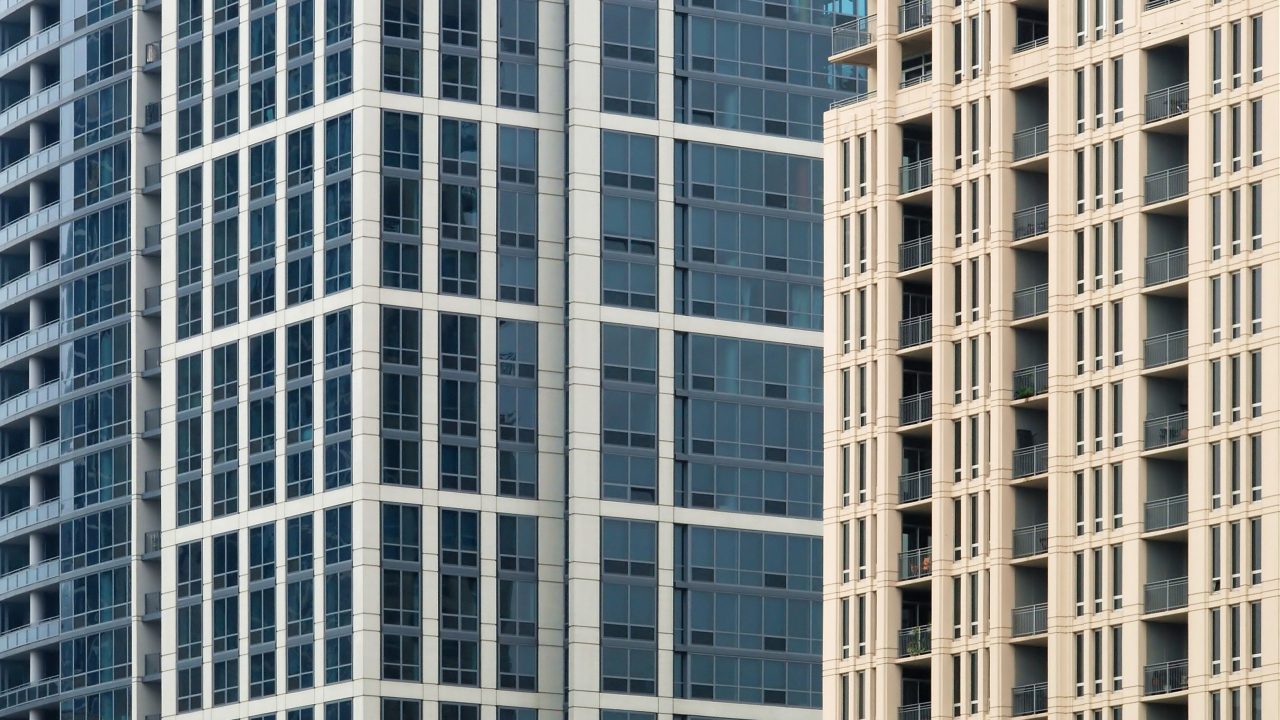
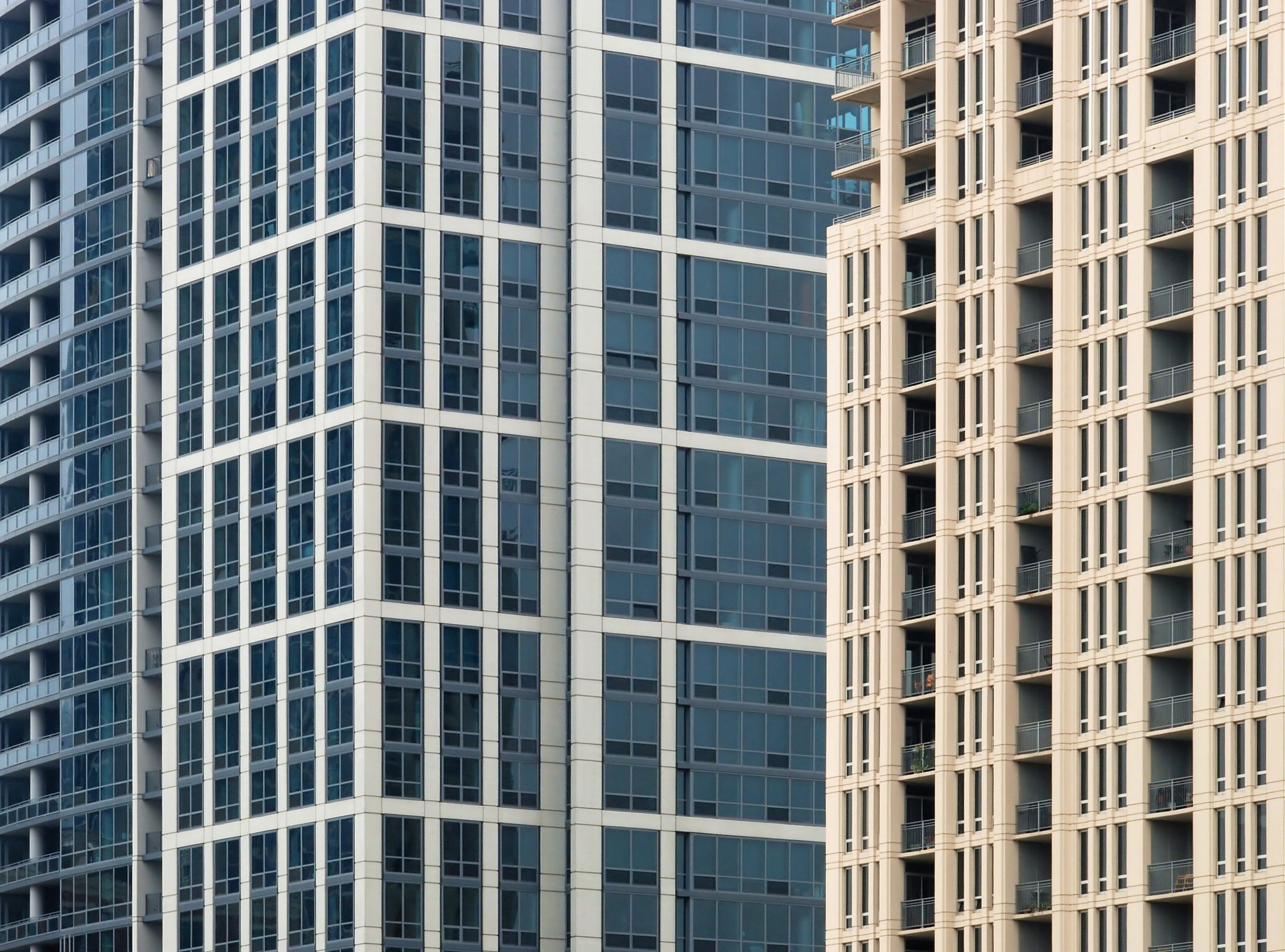
A sharp increase in short-term rental licenses in the Chicago ward encompassing the new Obama Presidential Center has ignited concerns about potential displacement and rent inflation for existing residents, as the availability of affordable housing appears to be dwindling in the area.
The trend contrasts with a city-wide decrease in shared housing licenses. An analysis by WBEZ, as reported by the Chicago Sun-Times, found that while the city overall has experienced a 38% reduction in shared housing licenses between 2019 and the present, the 20th Ward has seen a 46% rise in new permits during the same period.
Why it matters
Alderman Desmon Yancy, who sponsored an ordinance last year aimed at protecting residents from displacement, expressed his apprehension. “It would be a shame if the monument to the first Black president, in the heart of this historic Black community, displaces Black residents. I don’t think that that is President Obama’s intention at all, but it is what the market is bearing,” Yancy stated.
This surge in short-term rentals, often facilitated by platforms like Airbnb, is occurring in a neighborhood with a rich history and a significant Black population. The development of a major landmark like the Obama Presidential Center often brings with it increased tourism and attention, which can drive up property values and rental costs. However, when this economic activity is primarily captured by short-term rentals rather than long-term housing, it can exacerbate affordability issues for those who live and work in the community.
Contexto
The data highlights a complex interplay between urban development, tourism, and housing stability. While new amenities and attractions can bring economic benefits, their impact on existing communities requires careful management and policy intervention to ensure that development benefits all residents, not just transient visitors or property investors.
The ordinance sponsored by Alderman Yancy is one attempt to address these challenges. Such measures often aim to regulate the proliferation of short-term rentals, potentially by limiting the number of days a property can be rented out on a short-term basis, requiring stricter licensing, or implementing zoning restrictions. The goal is typically to preserve the existing housing stock for long-term residents and maintain neighborhood affordability.
The situation near the Obama Presidential Center serves as a case study for urban planners and policymakers grappling with the effects of large-scale development projects in established urban neighborhoods. It underscores the need for proactive strategies that balance economic growth with social equity and housing preservation. Without such measures, iconic developments, even those intended to honor community heritage, risk inadvertently contributing to the displacement of the very communities they aim to celebrate.
Key facts
| Aspect | Detail |
|---|---|
| Short-term rental licenses | 46% increase in Chicago’s 20th Ward (Obama Center area) |
| City-wide trend | 38% decrease in shared housing licenses |
| Concern | Displacement of long-term residents and rising rental costs |
| Policy response | Alderman-sponsored ordinance to protect residents from displacement |
The increasing prevalence of short-term rentals near the Obama Presidential Center signifies a potential shift in the local housing market dynamics. The conversion of residential units into short-term accommodations reduces the supply of available homes for long-term renters and buyers, thereby driving up prices. This effect is particularly pronounced in areas undergoing significant development or attracting increased visitor numbers. The policy debate in Chicago reflects a broader urban challenge: how to harness the economic benefits of new attractions and developments without compromising the affordability and stability of existing residential communities. Understanding the granular data on licensing and its correlation with housing market trends is crucial for informed urban governance and for ensuring that development fosters inclusive growth.
Source: Planetizen News, https://www.planetizen.com/news/2026/06/137743-short-term-rental-licenses-grew-46-near-obama-center-affordable-homes-disappear
Fuente
Planetizen News Publicacion original: 2026-06-08T13:00:00+00:00
Related updates
New York Poll Shows Overwhelming Bipartisan Support for Apartments Near Transit, Highlighting Contrast with London’s Own Housing Debate
A new poll from Open New York finds 79% of voters support building multi-family homes near rail stations, as the governor’s race…
Read update
Seattle City Attorney Launches New Community Court and Repeat Offender Programme Amid Public Defender Concerns
Seattle City Attorney Erika Evans has launched Connection Court, a new community court programme, alongside a punitive High-Priority Repeat Offenses system. The…
Read update
Seattle’s Centers & Corridors Zoning Update Delayed by Environmental Review Ruling
A state hearings board ruling has forced Seattle to rework the environmental impact statement for its twenty-year growth plan, pushing the next…
Read update
FEMA disaster mitigation grants freeze threatens to stall UK resilience learning, planners warn
A US Government Accountability Office report says $2.2 billion in FEMA Building Resilient Infrastructure and Communities grants remain unresolved, delaying more than…
Read update