
US Federal Transit Grant Freeze Offers Cautionary Tale for London’s Transport Capital Funding
The Trump administration has awarded no new transit capital grants for 18 months, raising questions about the vulnerability of transport funding to political cycles – a lesson for London’s capital programme.
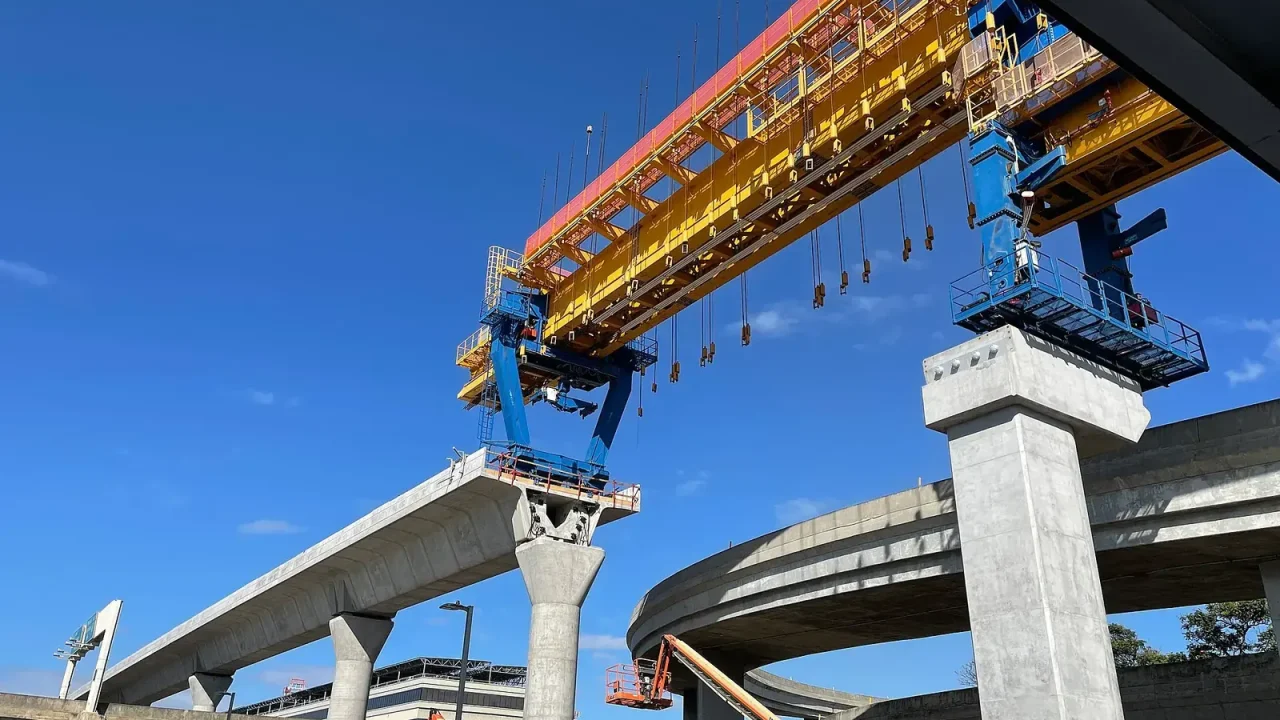
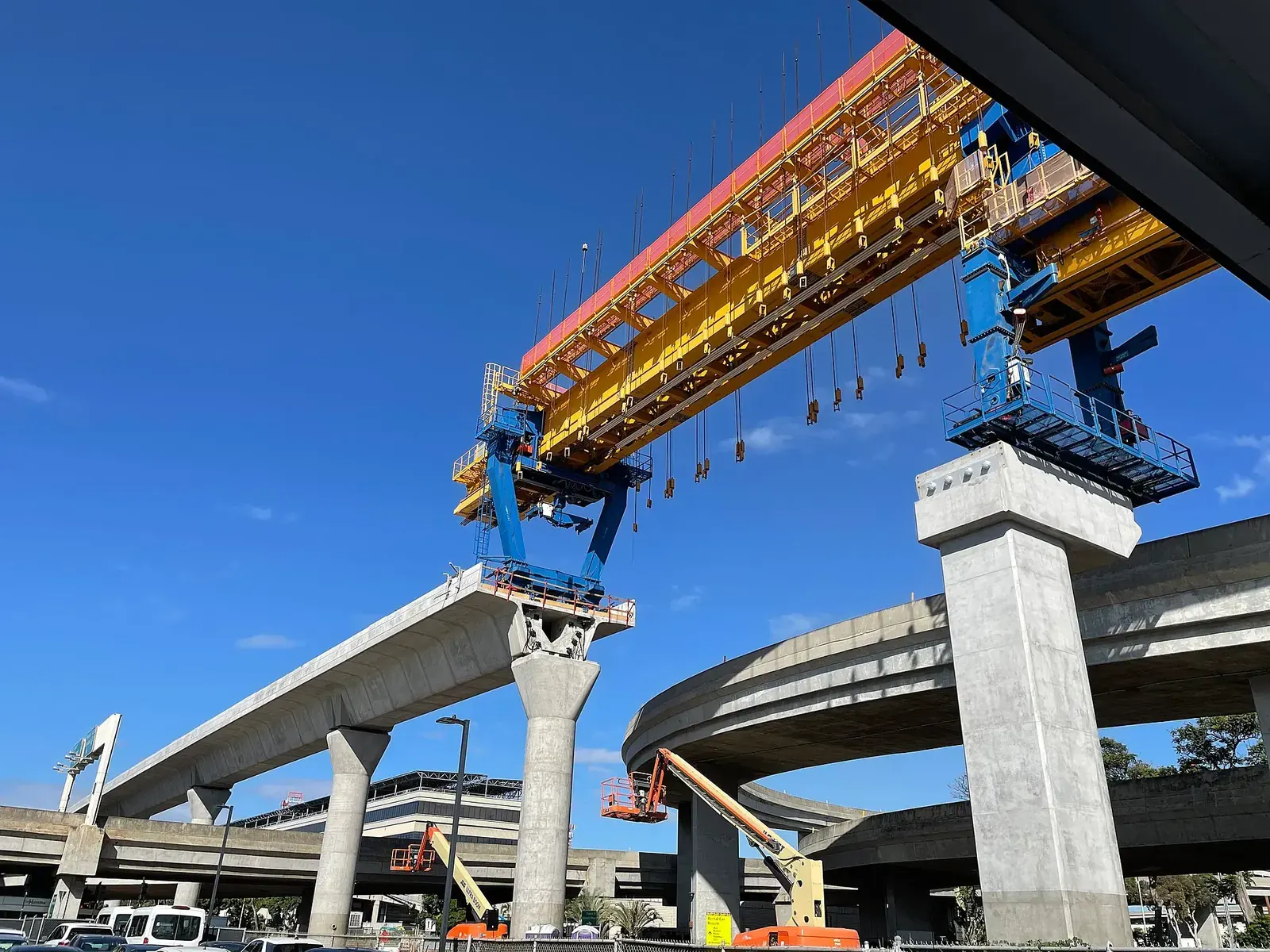
The Trump administration has refused to award any grants for transit capital projects in the past 18 months, according to a Streetsblog USA report published on 28 July 2026. The freeze affects the federal funding that US cities rely on for new rail lines, bus fleets, station upgrades, and maintenance. While the situation is domestic to the United States, it highlights a structural vulnerability that also applies to London’s transport capital programme: reliance on national government grants that can be paused or politicised.
US transit capital freeze
The Streetsblog report summarises the block as a de facto halt on capital grants for projects such as light rail extensions, bus rapid transit corridors, and rolling stock replacements. The exact figures are not provided in the short headline item, but the statement that “no grants for transit capital projects” have been awarded for 18 months is a direct claim. US transit agencies that depend on federal capital funds have been forced to delay or cancel projects, with no clear timeline for resumption.
Por que importa
London’s parallel funding model
Transport for London’s capital programme is funded through a mix of passenger fares, borrowing, and annual government grant settlements. The most recent multi-year settlement, agreed in 2023, provided around £1.2 billion per year for capital investment, but subsequent budget cycles have seen negotiations reopen. Unlike US federal grants, which are typically awarded through competitive programmes, TfL’s capital funding is negotiated directly with the Department for Transport. That process is subject to political priorities, fiscal cycles, and the condition of the national budget.
What this means for London
The US example shows what can happen when transit capital funding is politicised or delayed. London’s own experience with the 2020–2021 pandemic-era funding negotiations, which required emergency bailouts with conditions on service cuts and fare rises, demonstrates the fragility of the capital programme. The current freeze in the US reinforces the case for a more stable, long-term funding settlement for London’s transport – one that is ring-fenced and insulated from short-term political cycles.
Contexto
Key facts
| Topic | Detail |
|——-|——–|
| US federal freeze period | 18 months (since early 2025, per Streetsblog USA) |
| Impact on US transit agencies | Projects delayed or cancelled; no new capital grants awarded |
| London TfL capital funding | Dependent on annual government settlements, subject to political negotiation |
The comparison is not exact – US federal grants are a separate mechanism from UK government capital settlements – but the underlying risk is the same: when transport infrastructure becomes a political bargaining chip, investment stalls. London’s transport planners and advocates may want to watch how the US situation evolves, as it could influence future UK government commitments to multi-year capital funding.
Source: Streetsblog USA – “Tuesday’s Headlines Drag Their Feet” (28 July 2026) https://usa.streetsblog.org/2026/07/28/tuesdays-headlines-drag-their-feet
Datos clave
| Punto | Detalle |
|---|---|
| Fuente | Streetsblog USA |
| Fecha | 2026-07-28T04:13:45+00:00 |
| Tema | Tuesday’s Headlines Drag Their Feet |
Fuente
Streetsblog USA Publicacion original: 2026-07-28T04:13:45+00:00
Related updates

California’s unused dam safety powers hold lessons for London’s ageing flood infrastructure
A California audit reveals the state has never used its enforcement powers against dam owners, despite 57 dams in poor condition. As…
Read update
New York Poll Shows Overwhelming Bipartisan Support for Apartments Near Transit, Highlighting Contrast with London’s Own Housing Debate
A new poll from Open New York finds 79% of voters support building multi-family homes near rail stations, as the governor’s race…
Read update
Seattle City Attorney Launches New Community Court and Repeat Offender Programme Amid Public Defender Concerns
Seattle City Attorney Erika Evans has launched Connection Court, a new community court programme, alongside a punitive High-Priority Repeat Offenses system. The…
Read update
Seattle’s Centers & Corridors Zoning Update Delayed by Environmental Review Ruling
A state hearings board ruling has forced Seattle to rework the environmental impact statement for its twenty-year growth plan, pushing the next…
Read updateWiki relacionada

Urban Planning Terms: Density, Public Realm and Transit-Oriented Development
A living glossary for terms that appear again and again in planning and development stories.
Read update