
Seattle’s Centers & Corridors Zoning Update Delayed by Environmental Review Ruling
A state hearings board ruling has forced Seattle to rework the environmental impact statement for its twenty-year growth plan, pushing the next phase of zoning changes—including denser development in neighbourhood centres and along transit corridors—back by at least another year.
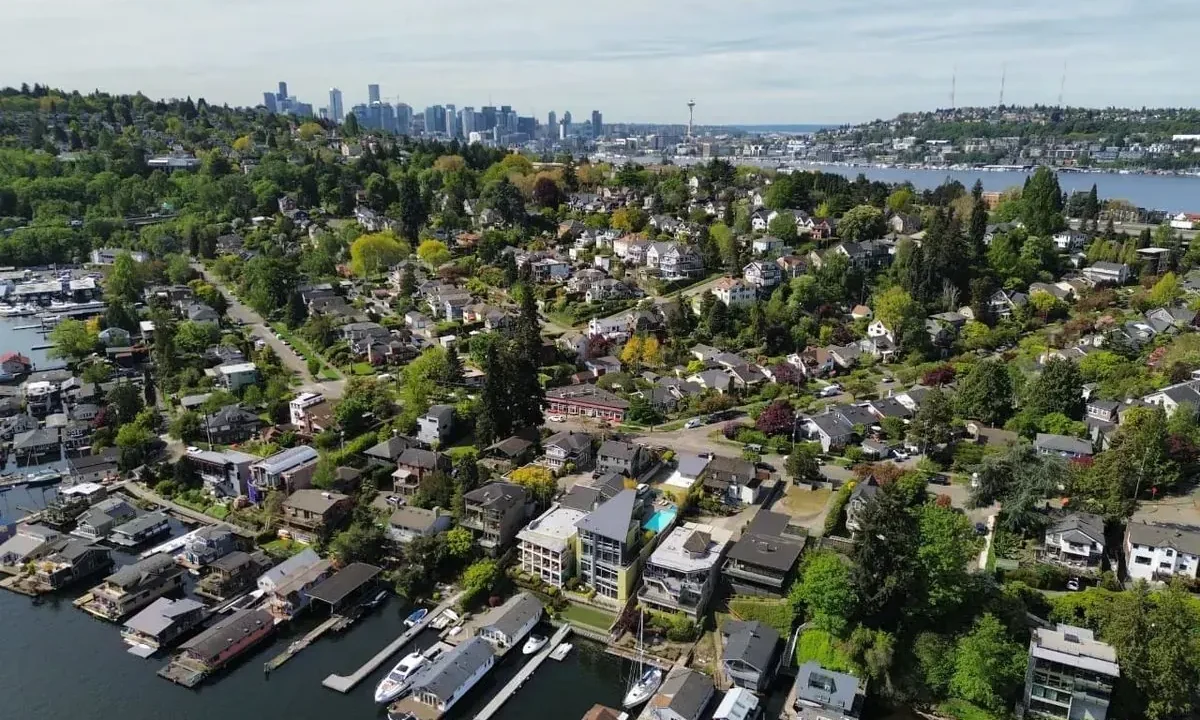
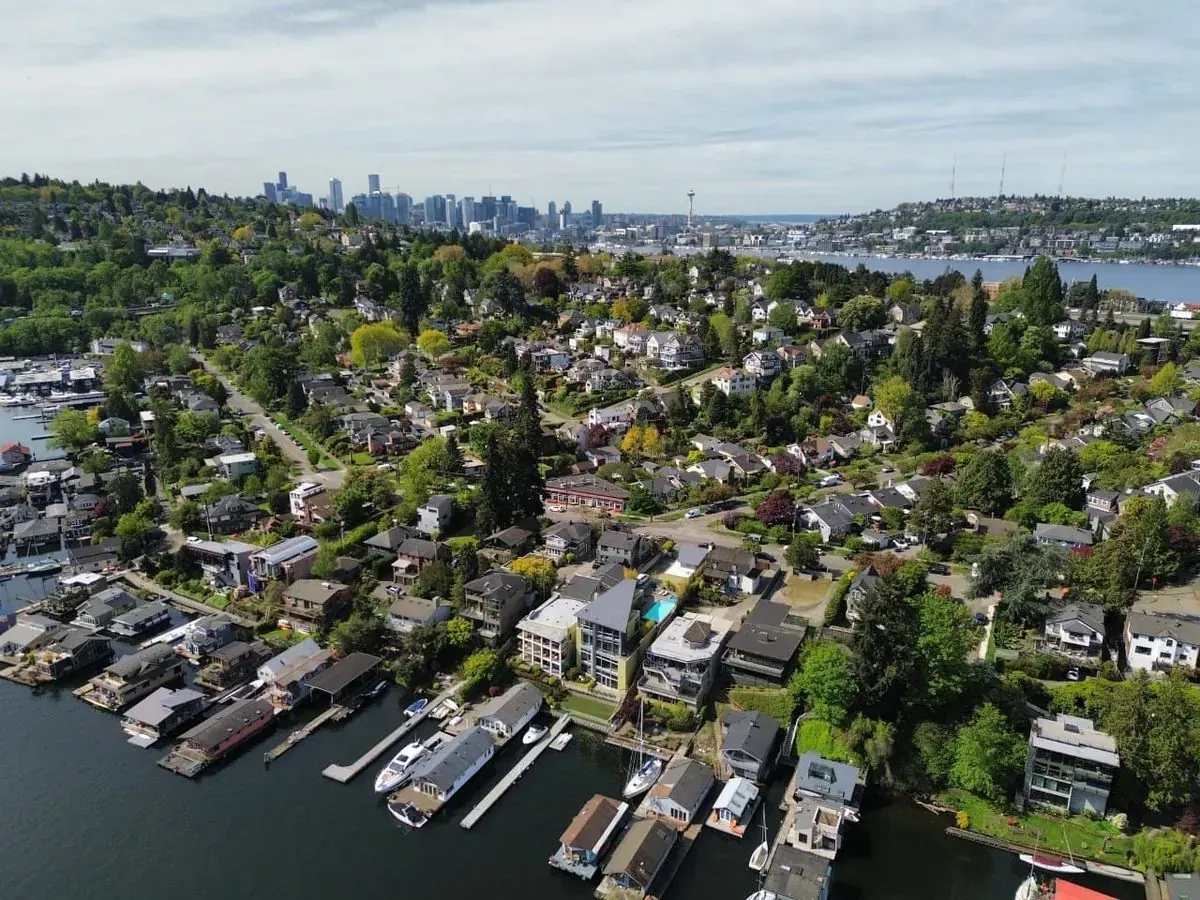
Seattle planners have confirmed that the next phase of zoning changes intended to implement the city’s twenty-year growth plan will be delayed by at least another year, following a state hearings board ruling that requires a broader environmental review.
The “Centers & Corridors” zoning update, inherited from the Bruce Harrell administration, had been set to rezone thirty new neighbourhood centres for denser development and allow larger apartment buildings along transit corridors. Legal appeals, however, have kept final approval out of reach, and the latest ruling from Washington State’s Growth Management Hearings Board means that timeline is now slipping further.
Key facts
| Item | Detail |
|---|---|
| Plan | One Seattle Comprehensive Plan (20-year growth strategy) |
| Zoning update | Centers & Corridors: 30 neighbourhood centres + transit corridor density |
| Latest ruling | State hearings board upheld EIS methods but ordered analysis of “maximum possible development” |
| Compliance deadline | September 9, 2027; compliance hearing autumn 2027 |
| Current mayor | Katie Wilson (proposed additional density via “Taller, Denser, Faster” plan) |
The board ruling and its consequences
The appeals that have targeted the environmental review underlying Harrell’s One Seattle Comprehensive Plan since February 2026 alleged that the city had understated future growth’s impacts on stormwater runoff, tree canopy and other environmental factors. Last month, the Growth Management Hearings Board found no evidence for those claims and upheld the way the plan’s final Environmental Impact Statement (EIS) was conducted.
However, the board threw city planners a curveball. Rather than studying “maximum likely development” under a future zoning scenario, the ruling stated, Seattle’s Office of Planning and Community Development (OPCD) was required to analyse “maximum possible development”—a standard that ropes in a significant number of housing units unlikely to be built within the plan’s twenty-year horizon.
“The decision and order from the board is narrowly focused on the analysis in the EIS and what was, in their view, required to be in that analysis,” Michael Hubner, OPCD’s Long Range Planning Manager, told the planning commission last week. “We’re certainly not bringing forward a new Comp Plan proposal, or any amendments to the plan based on this decision.”
Hubner described the required update as a technical addition rather than a fundamental rethink. “I think of it as really a technical add-in to our existing EIS, rather than changing anything fundamental about how we’re planning for the next 20 years.”
The city has been given until September 9, 2027 to complete the additional analysis, with a compliance hearing scheduled for autumn 2027. Until the hearings board gives its stamp of approval, no new zoning changes stemming from the EIS can be approved by the city council.
Impact on the mayor’s density agenda
The delay raises questions about Mayor Katie Wilson’s more ambitious “Taller, Denser, Faster” plan, which proposed going further than the One Seattle plan on density across neighbourhoods. Wilson’s initial proposal has faced even stronger local opposition than Harrell’s plan, but city planners had laid out a schedule that included potential adoption as late as 2027—a timeline now in doubt.
Could the city wrap up the EIS redo well before the September 2027 deadline? Hubner described that as unlikely. “It’s a pretty heavy lift to essentially add that information to the Comprehensive Plan EIS. There’s a lot of moving pieces there, so it’s good we have a year, and we’re starting to look at what it will take to update our analysis to meet the expectations of the board.”
Parallel legal challenges
The hearings board appeal is not the only legal challenge to the One Seattle Plan still active. On the same day Hubner provided his update, Seattle’s hearing examiner held a conference to discuss a set of city-level appeals filed by Seattle symphony performer Jennifer Godfrey and Mount Baker lawyer John M. Cary. Those appeals, active since February 2026, sought to stop the plan entirely.
Changes in state law relating to exemptions under the State Environmental Policy Act (SEPA) initially caused the hearing examiner to dismiss both challenges. That dismissal was later reversed on appeal to the state Court of Appeals, which affirmed a loophole in SEPA exemptions applying to environmental review not yet acted upon by a legislative body.
However, the Seattle City Council approved a bill this summer—proposed by land use committee chair Eddie Lin—that removed the path of city-level SEPA appeals for area-wide rezones and Comprehensive Plan amendments. The bill passed on a narrow 5-4 vote, despite the fact that other jurisdictions including Bellevue, Tacoma and King County do not allow this appeal route.
The hearing examiner has already dismissed another appeal on the grounds that the office now lacks jurisdiction—a challenge to the city’s plans to keep housing prohibited in the Stadium District. Whether the same logic applies to the Godfrey and Cary appeals remains to be ruled on.
What this means for Seattle’s growth
For planners, developers and residents following Seattle’s growth management, the delay means that zoning changes tied to the Centers & Corridors update will not reach city council for approval until at least autumn 2027. The additional EIS work does not alter the city’s preferred growth plan, but it does extend the period during which the current zoning framework remains in place.
The practical consequence is that neighbourhood centres and transit corridors identified for denser development will continue to operate under existing zoning rules for at least another year beyond the original timeline. For residents concerned about the pace of change, the delay provides more time for community engagement—though it also prolongs uncertainty for developers and housing advocates who see the zoning update as critical to addressing Seattle’s housing shortage.
The interplay between the hearings board ruling, the city-level appeals, and the new council legislation removing SEPA appeal routes creates a complex legal landscape. Planners and legal observers will be watching closely to see whether the hearing examiner dismisses the remaining city-level appeals, and whether those dismissals are themselves appealed.
Source: The Urbanist — Seattle’s ‘Centers & Corridors’ Zoning Update Delayed Another Year (https://www.theurbanist.org/seattles-centers-corridors-zoning-update-delayed-another-year/)
Fuente
The Urbanist Publicacion original: 2026-10-12T15:52:37+00:00
Related updates
New York Poll Shows Overwhelming Bipartisan Support for Apartments Near Transit, Highlighting Contrast with London’s Own Housing Debate
A new poll from Open New York finds 79% of voters support building multi-family homes near rail stations, as the governor’s race…
Read update
Seattle City Attorney Launches New Community Court and Repeat Offender Programme Amid Public Defender Concerns
Seattle City Attorney Erika Evans has launched Connection Court, a new community court programme, alongside a punitive High-Priority Repeat Offenses system. The…
Read update
FEMA disaster mitigation grants freeze threatens to stall UK resilience learning, planners warn
A US Government Accountability Office report says $2.2 billion in FEMA Building Resilient Infrastructure and Communities grants remain unresolved, delaying more than…
Read update
Quiz or Signal? The Rise of “Plansplaining” and What It Says About Public Participation in Planning
A quiz circulating in US planning circles asks whether certain comments are mansplaining or “plansplaining.” While lighthearted, the concept touches on a…
Read updateWiki relacionada

Urban Planning Terms: Density, Public Realm and Transit-Oriented Development
A living glossary for terms that appear again and again in planning and development stories.
Read update