
Transport for London: A Comprehensive Source for Urban Transit and Service Insights
Transport for London (TfL) is a vital source of data and information for understanding London's complex transport network, streetscape, and service quality. This reference page explores how its official resources can be leveraged for urban planning, research, and public discourse.
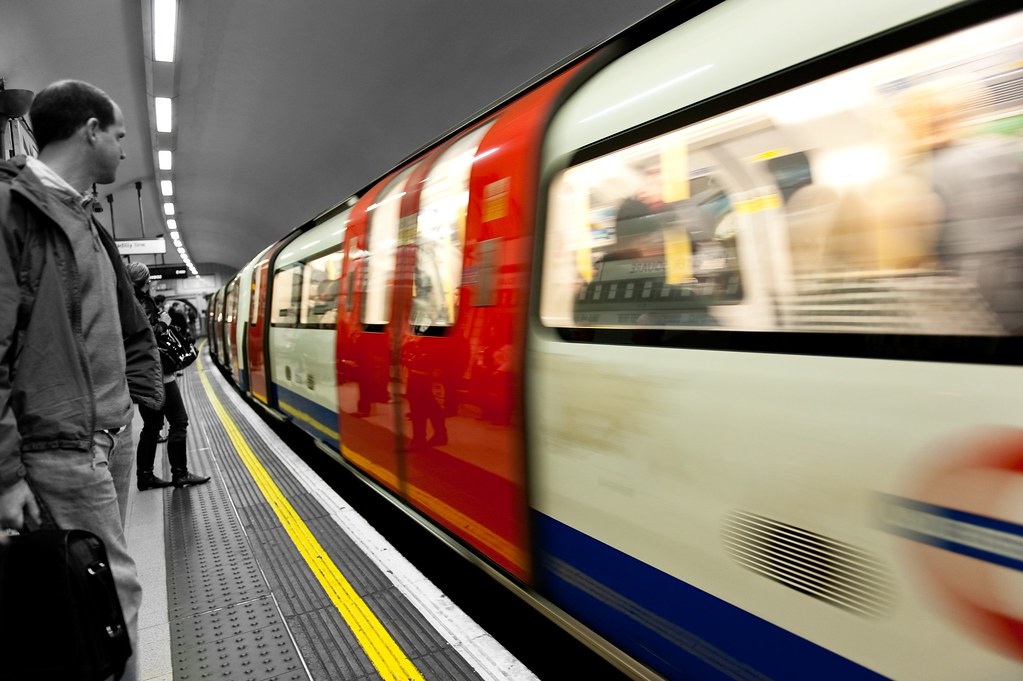
Transport for London (TfL) stands as a cornerstone for anyone seeking to understand the intricate workings of the UK's capital. Beyond its operational role in managing the city's vast public transport network, TfL is a significant repository of data and information that is invaluable for urbanists, planners, researchers, and engaged citizens. This reference page delves into the multifaceted ways TfL's resources can be accessed and utilised to gain insights into London's transit, streetscape, and the quality of services delivered to its residents and visitors.
TfL's remit covers a wide array of services, from the iconic London Underground and bus network to Overground, DLR, trams, and even the Santander Cycles scheme. This extensive operational scope means that TfL collects and disseminates a wealth of information that directly impacts urban development, public realm management, and the daily lives of millions.
Understanding TfL's role is crucial for comprehending the physical and functional fabric of London. Its data and reports offer a window into passenger flows, service reliability, infrastructure development, and the evolving patterns of urban mobility.
Transit Network Insights
The sheer scale of London's public transport system, managed by TfL, makes it a critical subject for study. TfL provides extensive details on its various modes of transport, including operational performance, planned upgrades, and historical data. For those interested in passenger journeys, network capacity, or the impact of transport on land use, TfL's publications and data portals are indispensable.
Information on service frequency, punctuality, and passenger numbers can offer granular insights into how Londoners move around the city. This data is not only useful for academic research but also for informing policy decisions related to public transport investment and service improvements. For instance, understanding peak travel times and route popularity can help in planning future line extensions or bus route adjustments.
Streetscape and Public Realm
While primarily known for its transit services, TfL also plays a significant role in the management of London's road network, particularly its Red Routes. These routes are key arteries of the city, and TfL's involvement extends to traffic management, street design standards, and the implementation of policies aimed at improving air quality and pedestrian safety.
Data related to traffic speeds, congestion, and the impact of road closures or diversions can be obtained from TfL. Information on TfL's streetscape projects, which might include pedestrianisation schemes, cycle lane developments, or improvements to public spaces around stations, offers valuable context for urban design and public realm analysis. Readers should always verify the latest project statuses and details directly on the TfL website.
Service Quality and Performance
The quality of public services is a key concern for urban dwellers. TfL regularly publishes performance statistics and customer satisfaction reports that shed light on the effectiveness and reliability of its transport services. These can include metrics on cleanliness, staff helpfulness, and the overall passenger experience.
For urban researchers, these service quality indicators are vital for assessing the liveability of different areas within London and for identifying potential disparities in service provision. Reports on customer complaints and TfL's responses also provide a qualitative dimension to understanding service performance.
TfL Open Data
A significant enabler for external analysis is TfL's commitment to Open Data. The TfL Open Data portal is a treasure trove for developers, researchers, and data enthusiasts. It provides access to a vast array of datasets, ranging from real-time train and bus information to historical travel patterns and asset management data.
The availability of this data allows for innovative applications and in-depth analysis that would otherwise be impossible. For example, researchers can use this data to model the impact of new developments on transport demand, or to identify trends in cycling and walking that inform active travel policies.
Key datasets available through TfL Open Data include:
| Dataset Category | Description | Potential Use Cases |
|---|---|---|
| Real-time Information | Live updates on bus and tube arrivals, delays, and disruptions. | Journey planning, real-time service monitoring, disruption analysis. |
| Network Performance | Historical data on passenger numbers, journey times, and service reliability. | Trend analysis, demand forecasting, impact assessment of infrastructure changes. |
| Asset Information | Details on stations, lines, tracks, and other transport infrastructure. | Urban planning, infrastructure resilience studies, spatial analysis. |
| Ticketing and Fares | Data on fare structures and usage patterns (anonymised). | Economic impact studies, accessibility analysis, fare policy evaluation. |
It is crucial for users of TfL Open Data to consult the portal's documentation for data definitions, update frequencies, and any usage restrictions. The dynamic nature of transport data means that these resources are constantly evolving, and readers should always refer to the official TfL Open Data site for the most current information.
Utilising TfL Resources for Urbanism
For those engaged in urbanism, TfL's resources offer a practical foundation for research and reporting. Whether it's assessing the impact of a new housing development on local transport, analysing the effectiveness of traffic calming measures, or understanding the public's perception of service quality, TfL provides the raw materials.
Planners can use TfL's network plans and development proposals to anticipate future transportation infrastructure and its implications for urban growth. Similarly, community groups can leverage TfL data to advocate for service improvements or to highlight areas where transport provision is lacking.
When referencing TfL's information, it is important to distinguish between operational data, policy documents, and public consultations. Each serves a different purpose and offers a unique perspective on the city. For instance, TfL's published strategies provide a high-level view of future transport goals, while operational statistics offer a day-to-day account of performance.
Sources and Limits
Transport for London (TfL) is the primary official source for information regarding London's transport network, street management, and service quality. Its website (https://tfl.gov.uk/) provides a wealth of official reports, strategies, and operational updates. For programmatic access to data, the TfL Open Data portal (https://tfl.gov.uk/info-for/open-data-users/) is the definitive resource.
It is essential to note that transport data is dynamic. Service levels, project statuses, funding allocations, and policy details can change. Therefore, for the most up-to-date and accurate information, readers are strongly advised to consult the official Transport for London and TfL Open Data websites directly. This reference page is intended to guide users to these essential resources and to highlight their utility in the field of urbanism, rather than to provide definitive, real-time information.
Fuentes
- [{"name": "Transport for London", "url": "https://tfl.gov.uk/"}, {"name": "TfL Open Data", "url": "https://tfl.gov.uk/info-for/open-data-users/"}]
Historial de cambios
Ultima revision y actualizacion: 7 June 2026.
Latest related updates

The Shifting Sands of London’s Green Belt: Balancing Development and Conservation
London's Green Belt is a vital buffer against urban sprawl, but increasing housing demand and the climate crisis are putting it under…
Read update
Seattle Halts New Data Center Development for One Year Amidst Power Concerns
The Seattle City Council has approved a one-year moratorium on new data center construction, responding to concerns raised by the city's power…
Read update
San Francisco Dissolves Bicycle Advisory Committee, Raising Concerns for Cyclist Advocacy
San Francisco's Bicycle Advisory Committee, a key voice for cyclists for over 35 years, has been dissolved as part of a city-wide…
Read update
HUD Suspends Federal Funds for LA Homelessness Agency Amid Fraud Allegations
The U.S. Department of Housing and Urban Development (HUD) has moved to suspend federal funding for the Los Angeles Homeless Services Authority…
Read update