
Transport for London: A Data Source for Urban Mobility and Service Reporting
Transport for London (TfL) is a comprehensive source of information and data for understanding London's complex transport network, offering insights into transit operations, street-level conditions, and service quality.
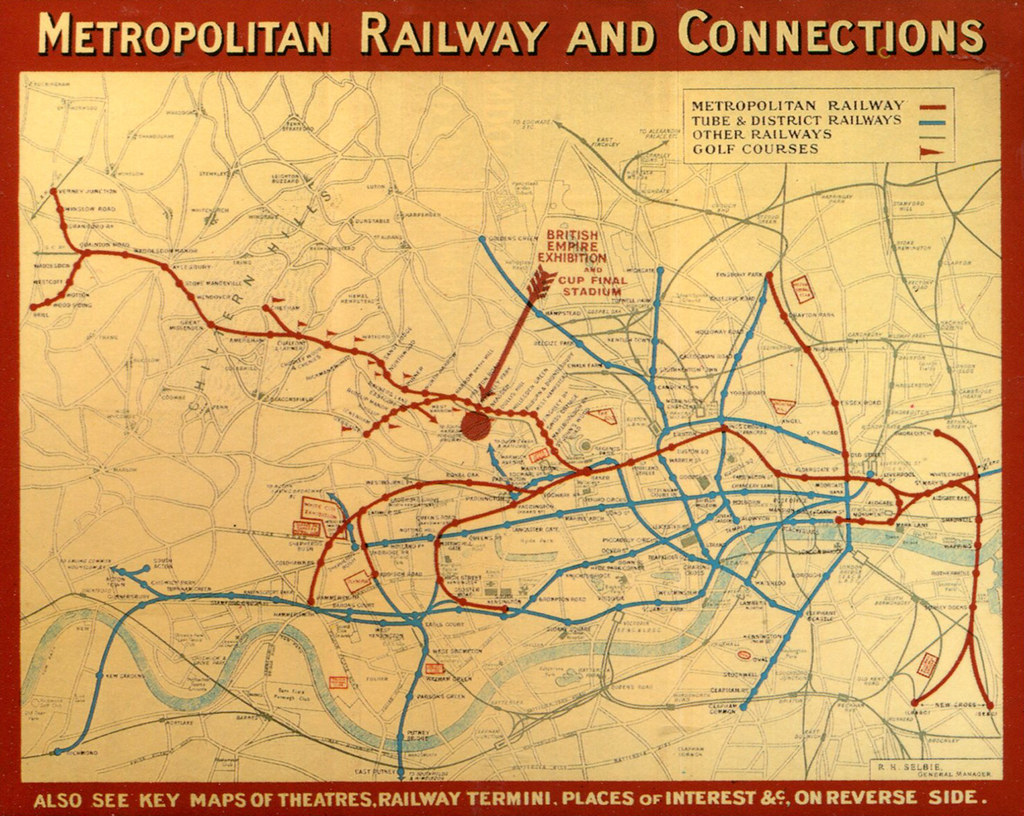
Transport for London (TfL) is the integrated body responsible for the transport system of Greater London. For urban planners, researchers, journalists, and engaged citizens, TfL serves as a vital and authoritative source of information for reporting on a wide array of urban mobility topics. From the intricate workings of the Underground and bus networks to the conditions of London's streets and the quality of public services, TfL provides data and insights that are indispensable for a nuanced understanding of the city's pulse.
The scope of TfL's remit means its publicly available information covers nearly every aspect of daily movement within the capital. This includes operational data, planning documents, policy initiatives, and extensive datasets that can be leveraged for detailed analysis and reporting.
Understanding TfL's offerings is key to unlocking a deeper appreciation of London's urban fabric and its ongoing evolution. Whether you are assessing the impact of new transport infrastructure, evaluating the efficiency of existing services, or reporting on the user experience of public transport, TfL is the primary point of reference.
Key Areas of Reporting Supported by TfL
TfL's data and information streams support reporting across several critical urban domains:
Transit Performance and Reliability
The operational heart of London's transport lies in its vast network of buses, the Underground, Overground, DLR, trams, and the Elizabeth line. TfL provides extensive data on service performance, including punctuality, cancellations, passenger numbers, and journey times. This information is crucial for reporting on the reliability of public transport, identifying areas for improvement, and understanding passenger flows. For instance, reports on the impact of service disruptions or the success of new lines can be directly informed by TfL's performance metrics.
Street and Public Realm Conditions
Beyond the tracks and routes, TfL manages a significant portion of London's road network, known as the TfL Road Network. This includes major A-roads and red routes, which are critical arteries for traffic, cycling, and walking. TfL provides data on traffic speeds, congestion, road incidents, and infrastructure projects affecting these routes. This data is invaluable for reporting on traffic management, the safety of cyclists and pedestrians, the impact of roadworks, and the overall liveability of London's streets.
Service Quality and User Experience
Reporting on the actual experience of Londoners using its transport system is also facilitated by TfL. While direct user feedback mechanisms are diverse, TfL publishes information related to customer satisfaction, accessibility features across stations and services, and the implementation of new passenger-focused initiatives. Data on the availability and functionality of lifts, escalators, and other accessibility aids can be crucial for reporting on inclusivity in urban transport.
Planning and Future Development
TfL is deeply involved in the strategic planning of London's transport future. The organisation publishes long-term plans, investment proposals, and the outcomes of public consultations. For anyone reporting on housing development, economic growth, or environmental policies, understanding TfL's transport strategies and investment pipelines is essential. This includes information on planned upgrades, new infrastructure projects, and how these align with the Mayor of London's transport strategy.
TfL Open Data: A Resource for In-Depth Analysis
For those requiring more granular and detailed information, TfL's Open Data platform is an invaluable resource. This platform provides access to a wealth of datasets that can be used for sophisticated analysis, visualisation, and custom reporting.
The TfL Open Data portal (https://tfl.gov.uk/info-for/open-data-users/) offers datasets covering a wide range of topics, including:
- Real-time and historical passenger data: Information on Tube, bus, and rail passenger numbers.
- Network status and performance: Live and historical data on delays, line status, and service disruptions.
- Station information: Details on station locations, accessibility, and facilities.
- Traffic and travel information: Data on road speeds, incidents, and journey times on the TfL Road Network.
- Bicycle hire schemes: Data on Santander Cycles usage and availability.
The availability of this data empowers journalists and researchers to move beyond surface-level reporting, enabling them to conduct forensic investigations into transport patterns, identify emerging trends, and provide evidence-based commentary on urban policy.
Examples of Data Applications
Here are a few ways TfL's data can be practically applied for reporting:
| Data Type | Potential Reporting Focus | Source Component |
|---|---|---|
| Bus Service Performance | Punctuality of specific routes, impact of bus priority measures | TfL Open Data |
| Tube Station Footfall | Peak hour congestion, passenger flow analysis | TfL Open Data |
| Road Network Speeds | Impact of events on traffic, effectiveness of traffic management | TfL Open Data |
| Planned Infrastructure | Progress of Crossrail, impact on local regeneration | TfL Website (Plans) |
| Customer Satisfaction | Trends in passenger feedback, areas of concern | TfL Website (Reports) |
When reporting on these topics, it is crucial to cite TfL as the primary source. The dynamic nature of transport operations means that specific figures, operational statuses, and project timelines can change. Therefore, readers should always be directed to the official TfL website or the Open Data portal for the most current and accurate information.
For instance, if a report discusses the current status of a major infrastructure project, it is best to state that TfL is the authority responsible and advise readers to check the TfL website for the latest updates on milestones, funding, or approvals. Similarly, any discussion of service reliability should be prefaced with an understanding that TfL publishes this data, and the most up-to-date figures are available directly from them.
The Role of TfL in London's Urban Narrative
Transport for London is more than just a service provider; it is a key architect of London's urban experience. Its decisions, investments, and operational management directly shape how millions of people live, work, and move within the city. By understanding and utilising the wealth of information and data that TfL makes available, journalists, researchers, and the public can gain a clearer, more evidence-based perspective on the challenges and opportunities facing one of the world's most dynamic cities.
The organisation's commitment to transparency, particularly through its Open Data initiatives, democratises access to information, enabling a more informed public discourse on urban development and transport policy. This empowers a wide range of stakeholders to contribute to shaping London's future.
Sources and Limits
The primary sources for information regarding Transport for London's operations, data, and plans are:
- Transport for London: https://tfl.gov.uk/
- TfL Open Data: https://tfl.gov.uk/info-for/open-data-users/
While TfL is an authoritative source, it is important to note that data related to operational performance, passenger numbers, and traffic conditions can fluctuate. Project statuses, funding details, and regulatory approvals are subject to change and should always be verified on the official TfL website for the most current information. TfL's remit primarily covers public transport and key road networks within Greater London; information on private transport or services outside this geographical or functional scope would require different sources.
Fuentes
- [{"name": "Transport for London", "url": "https://tfl.gov.uk/"}, {"name": "TfL Open Data", "url": "https://tfl.gov.uk/info-for/open-data-users/"}]
Historial de cambios
Ultima revision y actualizacion: 6 June 2026.
Latest related updates

The Shifting Sands of London’s Green Belt: Balancing Development and Conservation
London's Green Belt is a vital buffer against urban sprawl, but increasing housing demand and the climate crisis are putting it under…
Read update
Seattle Halts New Data Center Development for One Year Amidst Power Concerns
The Seattle City Council has approved a one-year moratorium on new data center construction, responding to concerns raised by the city's power…
Read update
San Francisco Dissolves Bicycle Advisory Committee, Raising Concerns for Cyclist Advocacy
San Francisco's Bicycle Advisory Committee, a key voice for cyclists for over 35 years, has been dissolved as part of a city-wide…
Read update
HUD Suspends Federal Funds for LA Homelessness Agency Amid Fraud Allegations
The U.S. Department of Housing and Urban Development (HUD) has moved to suspend federal funding for the Los Angeles Homeless Services Authority…
Read update