
Transport for London: A Comprehensive Source for Urban Reporting
Discover how Transport for London (TfL) provides invaluable data and insights for reporting on transit, streets, and service quality across the capital.
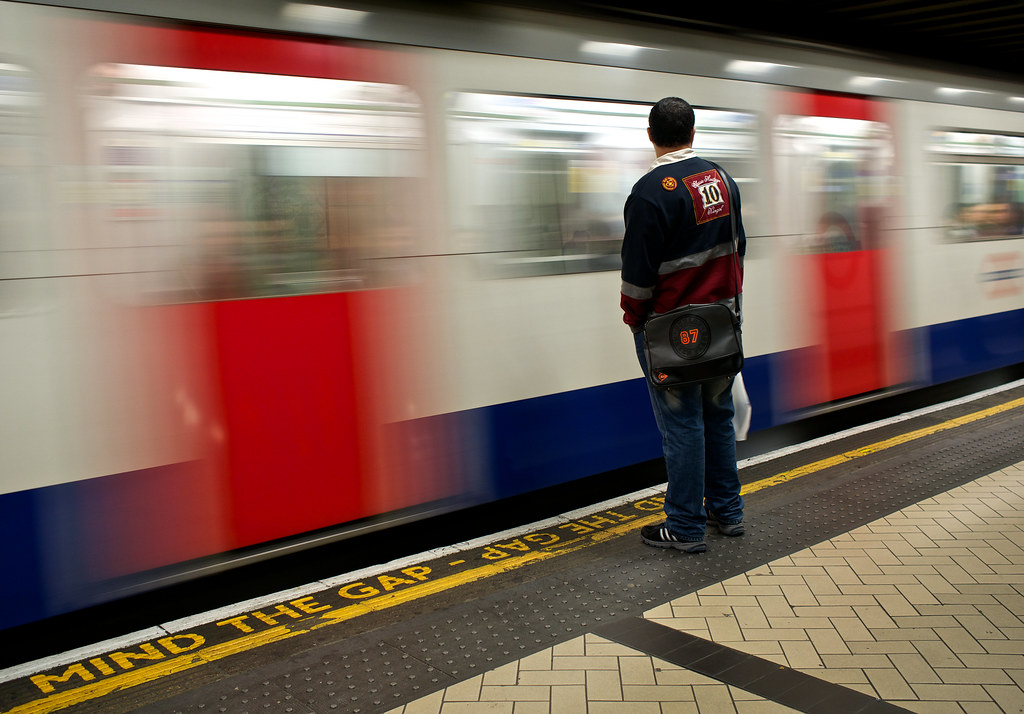
Transport for London (TfL) stands as a critical wellspring of information for anyone seeking to understand and report on the intricate web of the capital's transit, streetscapes, and the quality of services provided to its residents and visitors. As the integrated body responsible for most of the transport system in Greater London, TfL's remit extends across buses, the Underground, Overground, Docklands Light Railway (DLR), trams, cycling infrastructure, roads, and more. This comprehensive oversight makes its published data and reports indispensable for detailed urban analysis.
Accessing and interpreting TfL's extensive resources can empower journalists, researchers, urban planners, and civic technologists to produce insightful content that reflects the reality of London's movement and infrastructure. From daily operational updates to long-term strategic planning documents, TfL offers a rich tapestry of information.
Understanding TfL's Role
TfL's mandate is to make London's transport network safe, reliable, efficient, and sustainable. This mission necessitates the collection and dissemination of vast amounts of data related to passenger numbers, service performance, infrastructure development, safety statistics, and environmental impact. For reporting purposes, TfL serves as both a primary data provider and a subject of reporting itself, given its significant influence on the city's development and the daily lives of millions.
The organisation's public-facing website, tfl.gov.uk, is the gateway to a wealth of information, including service updates, travel advice, and details about ongoing and future projects. For those needing quantitative data for analysis, the TfL Open Data portal is an even more powerful resource.
TfL Open Data Portal
The TfL Open Data portal (tfl.gov.uk/info-for/open-data-users/) is specifically designed to provide access to a wide range of datasets that can be used for research, development, and reporting. This platform is a goldmine for anyone looking to delve into the specifics of London's transport system. The data available is diverse and covers numerous aspects of transport operations.
Key datasets include:
- Real-time and historical travel information: This can be used to analyse congestion, journey times, and passenger flow on various modes of transport.
- Service performance data: Information on punctuality, reliability, and cancellations across the network.
- Fare and ticketing data: Insights into travel patterns and revenue.
- Infrastructure and asset data: Details about stations, tracks, and other transport assets.
- Safety and incident reports: Data on accidents and safety performance.
- Environmental data: Information related to emissions and sustainability initiatives.
This data is typically provided in machine-readable formats, such as CSV or JSON, making it suitable for programmatic analysis, visualisation, and integration into custom applications or reports. Readers seeking the most current operational statistics or detailed historical trends should consult the TfL Open Data portal directly.
Reporting on Transit Performance
For reports focusing on the efficiency and reliability of London's public transport, TfL data is unparalleled. Performance metrics for Tube lines, bus routes, and other services are regularly published, allowing for comparisons over time and across different modes. For instance, one could analyse bus punctuality by borough or track the reliability of the Underground network against TfL's own performance targets.
| Transport Mode | Key Performance Indicator | Data Source Example |
|---|---|---|
| London Underground | Punctuality | TfL Open Data |
| London Buses | On-time Performance | TfL Open Data |
| Overground | Service Availability | TfL Open Data |
| DLR | Passenger Load | TfL Open Data |
| Trams | Journey Times | TfL Open Data |
When reporting on service disruptions or trends in passenger experience, TfL's official statements and performance dashboards provide the factual basis. It is important to note that service performance can fluctuate due to various factors, including engineering works, industrial action, or unforeseen incidents. For the most accurate and up-to-date information, always refer to TfL's official channels.
Street and Public Realm Reporting
Beyond public transport, TfL also manages a significant portion of London's road network, known as the Transport for London Road Network (TLRN). This includes major arteries and key routes that are crucial for understanding traffic flow, road safety, and the impact of transport policy on the urban environment.
Data related to traffic volumes, accident statistics, and road maintenance can be found through TfL. Reports on street safety initiatives, the implementation of Low Emission Zones (LEZs) or Ultra Low Emission Zones (ULEZs), and the development of cycle superhighways all draw heavily on TfL's data and strategic plans. For instance, reporting on the effectiveness of traffic calming measures or the impact of new pedestrian zones would benefit from data on vehicle movements and accident rates on affected streets.
Service Quality and User Experience
Service quality is a multifaceted aspect that TfL data helps to illuminate. This can range from the physical condition of stations and vehicles to the accessibility of services for people with disabilities. TfL publishes information on its accessibility programmes, station upgrades, and customer satisfaction surveys.
Data on passenger numbers, complaints, and feedback mechanisms can provide qualitative insights into the user experience. When reporting on improvements or deficiencies in service quality, referencing TfL's published performance targets and user feedback data lends credibility to the analysis. It is advisable to check the TfL website for the latest customer service initiatives and accessibility improvements.
Strategic Planning and Future Development
TfL's strategic documents, such as the Mayor's Transport Strategy and the London Plan (though the latter is primarily an GLA responsibility, TfL significantly informs its transport aspects), outline the vision for London's transport future. These documents detail plans for network expansion, technological integration (e.g., autonomous vehicles, smart ticketing), and sustainability goals.
Reporting on urban development, housing, and regeneration often intersects with transport infrastructure. TfL's plans for new stations, line extensions, or improvements to existing networks can significantly influence development potential and economic growth in different areas of the city. Accessing TfL's long-term investment plans and project timelines is crucial for understanding the trajectory of London's urban evolution. Always verify specific project details, timelines, and funding allocations directly with TfL.
Sources and limits
Transport for London (TfL) is a primary and official source for data and information pertaining to London's transport network. Its extensive publications and open data initiatives provide a robust foundation for reporting and analysis.
- Transport for London: https://tfl.gov.uk/
- TfL Open Data: https://tfl.gov.uk/info-for/open-data-users/
It is important to note that transport data can be dynamic. Service performance, project statuses, and operational details are subject to change. For the most current and definitive information, readers are strongly advised to consult the official TfL website and its open data portal. Information regarding specific project approvals, funding amounts, or legal requirements should always be verified with TfL directly. TfL's reporting scope is specific to its operational remit within Greater London.
Fuentes
- [{"name": "Transport for London", "url": "https://tfl.gov.uk/"}, {"name": "TfL Open Data", "url": "https://tfl.gov.uk/info-for/open-data-users/"}]
Historial de cambios
Ultima revision y actualizacion: 31 May 2026.
Latest related updates

The Shifting Sands of London’s Green Belt: Balancing Development and Conservation
London's Green Belt is a vital buffer against urban sprawl, but increasing housing demand and the climate crisis are putting it under…
Read update
Seattle Halts New Data Center Development for One Year Amidst Power Concerns
The Seattle City Council has approved a one-year moratorium on new data center construction, responding to concerns raised by the city's power…
Read update
San Francisco Dissolves Bicycle Advisory Committee, Raising Concerns for Cyclist Advocacy
San Francisco's Bicycle Advisory Committee, a key voice for cyclists for over 35 years, has been dissolved as part of a city-wide…
Read update
HUD Suspends Federal Funds for LA Homelessness Agency Amid Fraud Allegations
The U.S. Department of Housing and Urban Development (HUD) has moved to suspend federal funding for the Los Angeles Homeless Services Authority…
Read update