How to Read a Major Development Before the Headline
Height, homes, tenure, public space, transport and phasing tell a fuller story than a render.

Development stories need more than a tower image. The useful questions are what is built, who benefits, what changes on the street and which conditions still need approval.
Why it matters
Urbanism stories become useful when they connect design language to daily life: homes, commutes, street safety, public space, cost, climate resilience and the official process behind a decision.
What to check next
| Question | Useful source |
|---|---|
| What stage is this at? | Planning application, committee agenda, consultation page or official project update. |
| Who is affected? | Residents, commuters, renters, local businesses, disabled users and nearby public services. |
| What can still change? | Funding, design conditions, delivery date, appeal risk, traffic orders and public comments. |
Source trail
Start with planning documents, design and access statements, transport assessments, affordable-housing statements and committee reports.
Related updates

What the fall of Angkor reveals about the risks of low-density urban sprawl
A new analysis of the fall of Angkor, the ancient Khmer capital, draws parallels between its sprawling, low-density infrastructure and the vulnerabilities…
Read update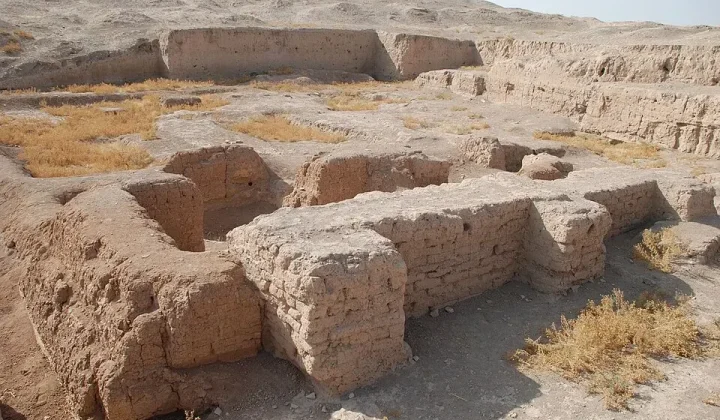
What Ancient Proto-Cities Reveal About Organic Urban Growth
New research into settlements such as Tell Brak suggests that some of the earliest cities formed without central rulers or master plans.…
Read update
Digital twins and zoning: what the Esri conference means for London planning
A planner’s report from the 2024 Esri User Conference examines how ArcGIS Urban and CityEngine are reshaping scenario testing, development review and…
Read update
Balancing Heritage and Protection: The Role of Advanced Waterproofing in Urban Conservation
Examining how modern building envelope technology and discrete waterproofing solutions help preserve historic urban structures against climate pressures without altering architectural integrity.
Read updateWiki relacionada

Urban Planning Terms: Density, Public Realm and Transit-Oriented Development
A living glossary for terms that appear again and again in planning and development stories.
Read update