
Understanding London’s Planning Application Process
A comprehensive guide to navigating London's complex planning application system, from submission to decision.
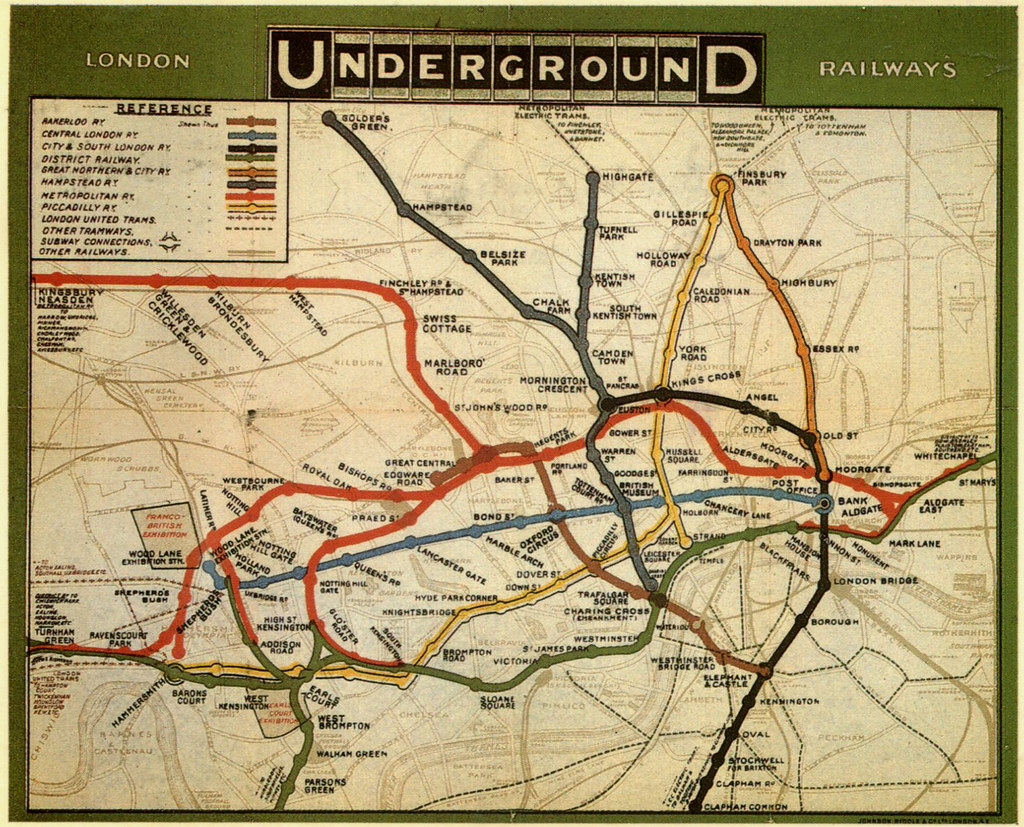
The process of developing new buildings, infrastructure, or significant changes to existing structures in London is governed by a detailed planning application system. For residents, developers, and urbanism enthusiasts, understanding this process is crucial for effective engagement and informed decision-making. This wiki page breaks down the typical stages involved in a London planning application.
What is a Planning Application?
A planning application is a formal request submitted to a local planning authority (in London, typically a borough council or, for certain strategic projects, the Greater London Authority) for permission to carry out building or other development. The authority assesses the application against local and national planning policies, considering factors such as design, impact on the environment, infrastructure, and community.
Key Stages of a Planning Application
Pre-application Advice
Before submitting a formal application, it is often beneficial for applicants to seek pre-application advice from the local planning authority. This stage allows for discussion of the proposal’s feasibility, potential issues, and relevant policies, which can help refine the design and avoid later complications.
Submission of the Application
The applicant formally submits a planning application, which typically includes detailed plans, elevations, site surveys, design and access statements, and other supporting documents. The specific requirements depend on the scale and nature of the proposed development. Documents are usually submitted online via the Planning Portal or the local authority’s system.
Validation
Once received, the local planning authority validates the application to ensure all necessary documents and fees have been submitted. If incomplete, the application will be returned or put on hold until missing information is provided.
Consultation and Publicity
This is a critical stage for public engagement. The local planning authority will publicise the application, often through site notices, newspaper adverts, and direct letters to neighbours. Interested parties, including the public, statutory consultees (like Historic England or the Environment Agency), and local amenity groups, are invited to submit comments within a specified period (usually 21 days).
Assessment
Planning officers assess the application, considering all submitted documents, relevant local and national policies (e.g., the London Plan, borough Local Plans), and the comments received during the consultation period. They will evaluate the proposal against criteria such as:
* Design and Appearance: How well the proposal fits with its surroundings.
* Impact on Amenities: Effects on neighbours’ light, privacy, and noise levels.
* Highways and Access: Car parking, cycle storage, pedestrian access.
* Environmental Considerations: Flood risk, biodiversity, energy efficiency.
* Townscape and Heritage: Impact on listed buildings and conservation areas.
* Community Infrastructure: Provision for schools, healthcare, and public transport.
Recommendation
Based on the assessment, the planning officer will prepare a report and make a recommendation to approve or refuse the application.
Decision
The decision is usually made by:
* Delegated Powers: For minor applications, a senior planning officer can make the decision.
* Planning Committee: For major or controversial applications, the decision is made by elected councillors at a public planning committee meeting.
Notification of Decision
The applicant and any interested parties who have commented will be notified of the decision. If approved, there may be conditions attached to the permission that must be adhered to.
Appeals
If an applicant is refused permission, or if they disagree with the conditions imposed, they have the right to appeal to the Planning Inspectorate. This process involves an independent inspector reviewing the case.
How to Engage with the Planning Process
- Track Applications: Most London boroughs provide online portals where you can search for planning applications, view documents, and track their progress.
- Submit Comments: During the consultation period, make your views known by submitting written comments to the local planning authority. Be specific and refer to relevant planning policies if possible.
- Attend Planning Committees: For significant applications, attending planning committee meetings can provide insight into the decision-making process and allow for public speaking slots.
Understanding the intricacies of the planning system empowers communities to shape the future of London’s urban fabric.
| Stage | Description | Key Participants |
|---|---|---|
| Pre-application | Applicant seeks advice on proposal feasibility and policy compliance. | Applicant, Local Planning Authority Officers |
| Submission | Formal application with detailed plans and supporting documents is lodged. | Applicant |
| Consultation & Publicity | Application is advertised; public and statutory bodies can comment. | Local Planning Authority, Public, Stakeholders |
| Assessment | Planning officers evaluate the proposal against policies and comments. | Local Planning Authority Officers |
| Decision | Application is approved or refused by officers or a planning committee. | Local Planning Authority Officers, Councillors |
| Appeal | Applicant can challenge a refusal or conditions to the Planning Inspectorate. | Applicant, Planning Inspectorate |
Historial de cambios
Ultima revision y actualizacion: 11 June 2026.
Latest related updates

The Shifting Sands of London’s Green Belt: Balancing Development and Conservation
London's Green Belt is a vital buffer against urban sprawl, but increasing housing demand and the climate crisis are putting it under…
Read update
Seattle Halts New Data Center Development for One Year Amidst Power Concerns
The Seattle City Council has approved a one-year moratorium on new data center construction, responding to concerns raised by the city's power…
Read update
San Francisco Dissolves Bicycle Advisory Committee, Raising Concerns for Cyclist Advocacy
San Francisco's Bicycle Advisory Committee, a key voice for cyclists for over 35 years, has been dissolved as part of a city-wide…
Read update
HUD Suspends Federal Funds for LA Homelessness Agency Amid Fraud Allegations
The U.S. Department of Housing and Urban Development (HUD) has moved to suspend federal funding for the Los Angeles Homeless Services Authority…
Read update