
Understanding London’s Planning Application Process
A comprehensive guide to navigating the complexities of planning applications in London, from submission to decision.

London’s urban landscape is constantly evolving, shaped by a complex and often intricate planning application process. For residents, developers, and urbanists alike, understanding this process is crucial for engaging with the future of the city. This wiki provides a detailed overview of how planning applications are submitted, reviewed, and decided upon in London, drawing on official guidance and established practices.
What is a Planning Application?
A planning application is a formal request to a local planning authority (in London, typically a borough council or the Greater London Authority for major strategic sites) for permission to carry out building or other development. This can range from small extensions to houses to large-scale commercial and residential developments. The planning system aims to balance the need for development with the protection of the environment, amenity, and heritage.
The Stages of a Planning Application
The journey of a planning application typically follows several key stages:
Pre-application Advice
While not always mandatory, seeking pre-application advice from the local planning authority is highly recommended, especially for larger or more complex projects. This allows applicants to discuss their proposals, understand relevant policies, and identify potential issues early on, which can streamline the formal application process.
Submission of the Application
The application is submitted to the relevant local planning authority, usually online through the Planning Portal or the authority’s own portal. It must include detailed plans, drawings, supporting documents (such as design and access statements, environmental impact assessments where required), and the correct fee.
Validation
The planning authority checks if the submitted application is complete and meets all the necessary requirements. If it’s valid, it’s registered and assigned a reference number. If it’s invalid, the authority will inform the applicant of the missing information.
Consultation and Publicity
Once validated, the application is publicised. This typically involves:
* Notifying neighbours directly affected by the proposal.
* Publishing notices in local newspapers or on the council’s website.
* Consulting with statutory consultees (e.g., Historic England, Environment Agency, Transport for London) depending on the nature of the proposal.
* Allowing a period for public comments, usually 21 days.
Assessment
Planning officers assess the application against the relevant Local Plan policies, national planning policy, and other material considerations. They consider the comments received during the public consultation.
Site Visit
A planning officer may visit the site to understand the context and assess the impact of the proposed development.
Recommendation
The planning officer prepares a report summarising the assessment, the planning merits of the proposal, and any objections or comments received. They will make a recommendation to the decision-making body.
Decision Making
The decision is usually made by either:
* Delegated Powers: For minor applications, a senior planning officer can make the decision.
* Planning Committee: For major or contentious applications, a committee of elected councillors will debate the application and vote on whether to grant or refuse permission.
Notification of Decision
The applicant and any interested parties are notified of the decision in writing. If permission is granted, it will often be subject to conditions that must be met before or during development. If refused, the reasons for refusal will be stated, and the applicant has the right to appeal.
Key Documents to Review
When engaging with a planning application, several documents are essential for understanding the proposal:
* Planning Statement: Outlines the justification for the development.
* Design and Access Statement: Explains the design principles and how access will be provided.
* Drawings and Plans: Visual representation of the proposed development.
* Local Plan Policies: The overarching planning strategy for the borough.
* Consultation Responses: Comments from statutory bodies and the public.
Understanding the nuances of London’s planning application process empowers individuals and communities to participate more effectively in shaping the built environment. By familiarising yourself with these stages and key documents, you can better engage with development proposals in your area.
- Planning Statement: Justification for the proposal | Need, policy compliance, site analysis
- Design & Access Statement: Explains design choices and accessibility solutions | Context, appearance, layout, access for all users
- Site Plans: Visual representation of the proposal | Boundaries, existing and proposed structures, landscaping
- Environmental Statement: Assesses potential environmental impacts (for EIA dev.) | Noise, air quality, ecology, transport, heritage impacts
- Consultee Responses: Expert and public feedback | Objections, support, technical advice, policy comments
Historial de cambios
Ultima revision y actualizacion: 11 June 2026.
Latest related updates
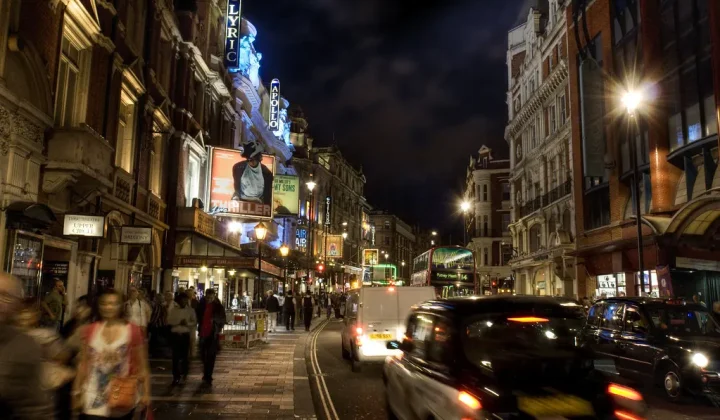
The Shifting Sands of London’s Green Belt: Balancing Development and Conservation
London's Green Belt is a vital buffer against urban sprawl, but increasing housing demand and the climate crisis are putting it under…
Read update
Seattle Halts New Data Center Development for One Year Amidst Power Concerns
The Seattle City Council has approved a one-year moratorium on new data center construction, responding to concerns raised by the city's power…
Read update
San Francisco Dissolves Bicycle Advisory Committee, Raising Concerns for Cyclist Advocacy
San Francisco's Bicycle Advisory Committee, a key voice for cyclists for over 35 years, has been dissolved as part of a city-wide…
Read update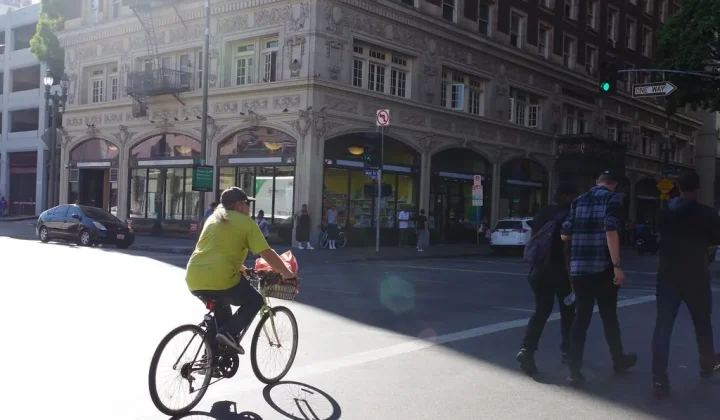
HUD Suspends Federal Funds for LA Homelessness Agency Amid Fraud Allegations
The U.S. Department of Housing and Urban Development (HUD) has moved to suspend federal funding for the Los Angeles Homeless Services Authority…
Read update