
Uber’s $10B robotaxi bet signals a shift in urban mobility, but London’s streets remain a different arena
Uber has announced a $10 billion investment in autonomous vehicles, intensifying the robotaxi race with Waymo, Zoox and Tesla. For London, the technology raises distinct questions about regulation, street design and public transport integration.
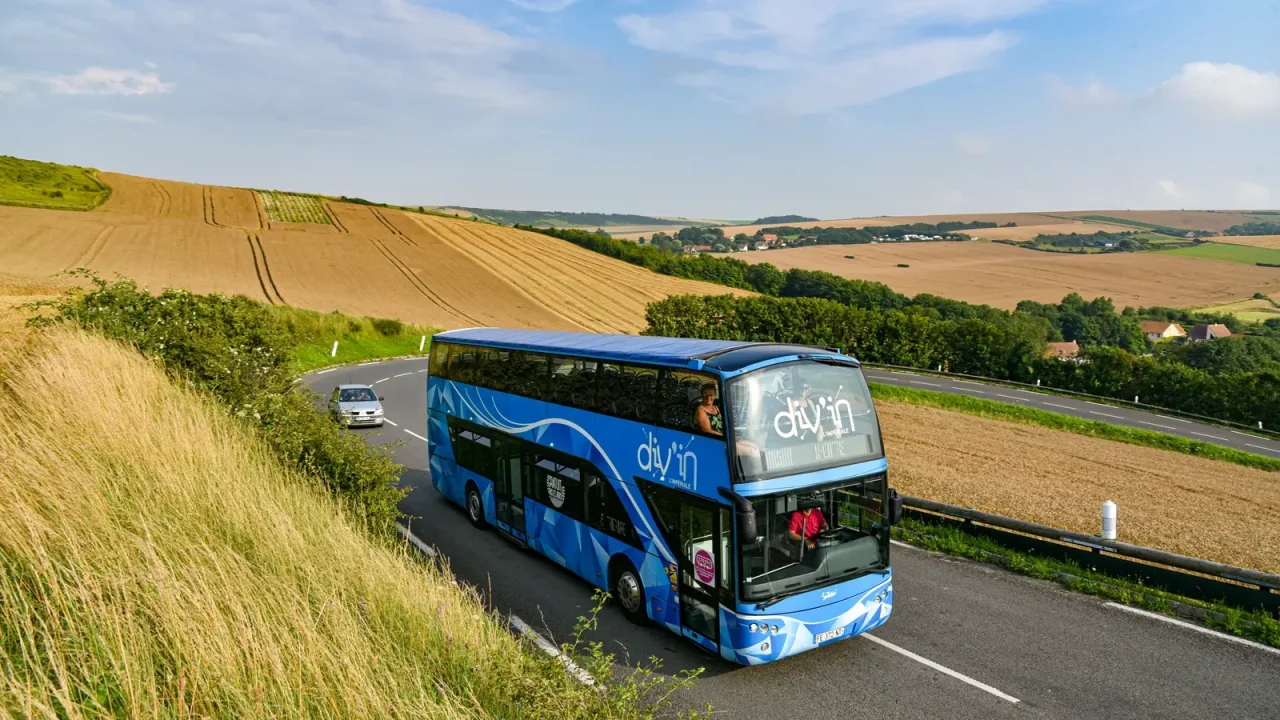
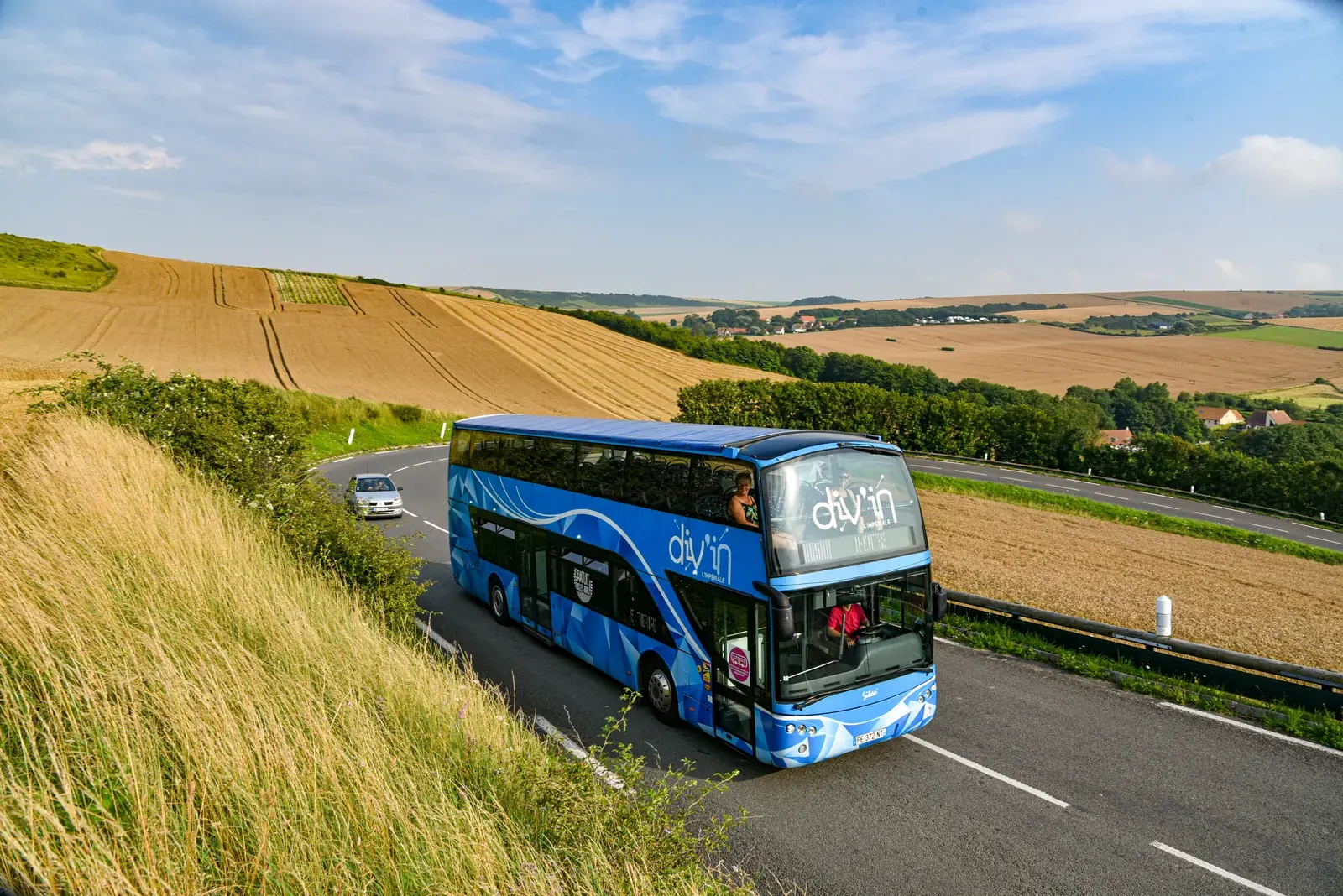
Uber has committed $10 billion to autonomous vehicle development, a move that intensifies the competition among robotaxi operators in the United States and signals a strategic bet on driverless ride-hailing. Waymo, Zoox and Tesla are also racing to expand their services, with Waymo already operating paid robotaxi rides in San Francisco and parts of Los Angeles.
For London, the news is not a direct operational announcement but a reminder that the technology is approaching a scale that will eventually demand attention from Transport for London, the GLA and borough planning authorities. The capital’s streets, regulatory framework and public transport habits are fundamentally different from the US cities where robotaxis are currently being tested and deployed.
Key facts
| Fact | Detail |
|---|---|
| Investment | Uber commits $10 billion to autonomous vehicle development |
| Key competitors | Waymo, Zoox, Tesla |
| Current operations | Waymo operates paid robotaxis in San Francisco and parts of Los Angeles |
| London context | No robotaxi service currently licensed; TfL regulates ride-hailing under the Private Hire Vehicles (PHV) regime |
What the investment means for the robotaxi race
The $10 billion figure, reported by Smart Cities Dive, marks a significant escalation in Uber’s commitment to autonomous technology. The company has pursued self-driving vehicles for years, including a previous partnership with Waymo and a later sale of its own autonomous vehicle unit, but this investment signals a renewed push to own the technology directly.
Waymo, a subsidiary of Alphabet, has been the most visible operator in the US, having launched fully driverless rides in San Francisco in 2023 and expanded to other cities. Zoox, owned by Amazon, is developing a purpose-built autonomous vehicle without a steering wheel. Tesla has promised a robotaxi network based on its production vehicles, though regulatory approval and technical deployment remain uncertain.
The competition is now framed as a race for market share, fleet scale and regulatory acceptance. Uber’s investment suggests it does not intend to be a mere aggregator of other companies’ robotaxis but wants to control its own fleet and technology stack.
Why London is not San Francisco
London planners and transport professionals should treat the US robotaxi developments as a parallel track, not a direct template. The capital’s streets are narrower, more congested and more complex than the wide-grid boulevards of San Francisco or Phoenix. London also has a dense public transport network, a strong black-cab trade with its own knowledge-of-London licensing, and a regulatory environment that has historically been cautious about ride-hailing disruption.
TfL regulates private hire vehicles under the Private Hire Vehicles (London) Act 1998 and subsequent amendments. Uber itself has faced repeated licensing battles with TfL over safety and governance, culminating in a court-issued licence in 2022. Any robotaxi service would need to satisfy the same regulatory tests: operator licensing, driver conduct (or equivalent safety case for driverless operation), vehicle standards and insurance.
The Mayor of London and TfL have not published a formal policy on autonomous ride-hailing, but the London Assembly’s Transport Committee has previously examined the implications of connected and autonomous vehicles. A 2020 report noted that the technology could reduce congestion if deployed as part of a shared, integrated system, but warned of risks including increased vehicle miles if robotaxis compete with public transport rather than complementing it.
Street design and public realm implications
For borough planning officers and transport planners, the arrival of robotaxis would require changes to street design. Pick-up and drop-off zones, kerbside management, loading bay allocation and traffic signal priority are all likely to need rethinking. London’s kerbside space is already contested between buses, cyclists, pedestrians, delivery vehicles, car clubs and private cars. Adding a fleet of autonomous vehicles that may circulate empty between trips would intensify that pressure.
The technology also raises questions about road safety data. TfL’s Vision Zero strategy, which aims to eliminate death and serious injury on London’s roads, depends on predictable driver behaviour. Autonomous vehicles may reduce certain types of collisions, but their interaction with cyclists, pedestrians and London’s large fleet of motorcycles and scooters is not yet well understood in a UK urban context.
What happens next
No robotaxi service is currently licensed to operate in London, and no public consultation has been announced. The next stage is likely to be a TfL feasibility study or a request from the GLA for evidence on autonomous ride-hailing’s potential benefits and risks. The government’s Centre for Connected and Autonomous Vehicles (CCAV) has funded trials of automated shuttle buses in other parts of the UK, but London has not yet hosted a major robotaxi trial.
For now, the Uber investment is a strategic move in a US-dominated market. London’s transport professionals should monitor the regulatory and technical developments, but the capital’s streets will not see robotaxis in the near term without significant policy debate, street redesign and public consultation.
Source: Smart Cities Dive, “Robotaxi competition revs up as Uber makes $10B investment in autonomous vehicles”, https://www.smartcitiesdive.com/news/robotaxi-wars-uber-waymo-zoox-tesla/830930/
Fuente
Smart Cities Dive Publicacion original: 2026-09-22T15:19:00+00:00
Related updates
US DOT road safety plan targets congestion and AV strategy, with implications for London’s Vision Zero approach
The US Department of Transportation’s 2026 National Roadway Safety Strategy prioritises rural and tribal communities and advanced technology to cut preventable crashes.…
Read update
Why the predicted Portland ‘Carmaggedon’ never arrived — and what London can learn about traffic evaporation
A month-long closure of a mile-long section of I-5 in Portland was forecast to triple commute times. Instead, morning peak journeys increased…
Read update
What the fall of Angkor reveals about the risks of low-density urban sprawl
A new analysis of the fall of Angkor, the ancient Khmer capital, draws parallels between its sprawling, low-density infrastructure and the vulnerabilities…
Read update
Why urban beauty matters for community wellbeing and civic pride
Research and everyday experience show that beautiful places foster stronger communities, better mental health, and greater civic engagement. What can London learn…
Read update