
Understanding London’s Planning Application Process
A comprehensive guide to navigating the complexities of London's planning application system, from submission to decision.
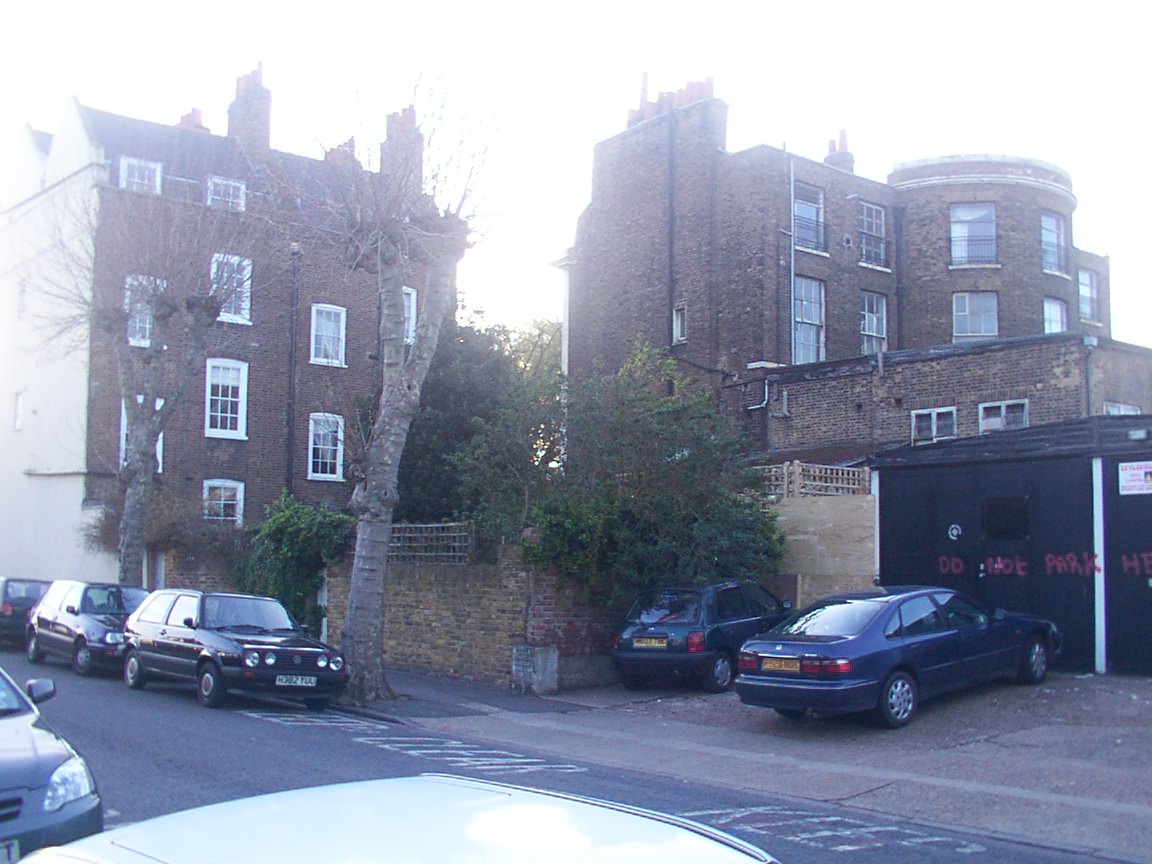
Navigating the planning application process in London can seem daunting, whether you are a resident looking to make a small alteration to your property or a developer proposing a major new building. This guide aims to demystify the system, providing a clear overview of the stages involved and what to expect. Understanding this process is crucial for anyone interested in the development and future of London.
Key Stages of a Planning Application
The journey of a planning application typically involves several distinct phases, each with its own set of requirements and timelines. Grasping these stages is fundamental to successfully engaging with the London planning application process.
Validation
Once an application is submitted, the local planning authority (usually the borough council) will first check if it is valid. This means ensuring all the necessary forms, drawings, and supporting documents are included. If the application is incomplete, it will be returned to the applicant. This initial check is critical as an invalid application will not proceed to assessment.
Consultation and Publicity
After validation, the local authority will notify relevant parties about the application. This typically includes neighbours whose properties might be affected, local amenity groups, and statutory consultees (such as Historic England or the Environment Agency, depending on the nature of the development). These parties have a set period to submit their comments. For most applications (though not all), a site notice may be displayed near the property, and the application may be advertised in a local newspaper. This ensures wider public awareness and allows interested parties to voice their opinions on the London planning application.
Assessment and Site Visit
Planning officers will then assess the application against local and national planning policies. This includes considering the comments received during the consultation period, the site’s context, design implications, and potential impact on the surrounding area. A crucial part of this stage is often a site visit, where an officer physically inspects the location to understand its characteristics and assess the proposal firsthand.
Decision and Appeals
The decision on whether to grant or refuse planning permission is usually made by a planning committee (a group of elected councillors) for major or contentious applications, or by a senior planning officer under delegated powers for simpler cases. Applicants are typically informed of the decision in writing. If an applicant is unhappy with the decision, they have the right to appeal to the Planning Inspectorate. This is an independent body that will review the case, offering an impartial assessment of the initial decision regarding the London planning application.
Types of Planning Applications in London
There are several types of planning applications, each suited to different circumstances, reflecting the diverse nature of development across the city.
Full Planning Permission: Required for most new developments and significant alterations, covering a broad spectrum of projects.
Householder Permitted Development: For minor extensions and alterations to existing houses, often not requiring a formal application if they meet specific criteria set out in national legislation.
Listed Building Consent: Crucial for any works that would affect the character or appearance of a listed building, protecting London’s heritage.
Conservation Area Consent: Needed for demolition in a conservation area, ensuring the preservation of historically significant areas.
Prior Approval: For certain types of development under permitted development rights, where the council needs to approve specific aspects like appearance, layout, or means of access to ensure a degree of local control.
Outline Planning Permission: Used to establish whether a proposed development is acceptable in principle, with details reserved for a later application.
Essential Documents for a London Planning Application
A typical London planning application will require a range of documents, which can vary depending on the scale and complexity of the project. Providing accurate and comprehensive documentation is key to a smooth process.
- Design and Access Statement: Justify design and access considerations | Design rationale, site analysis, accessibility
- Location Plan: Show the proposed site in its wider context | Proposed building footprint, boundaries, access
- Site Plan: Detail the proposed development on the site itself | Existing and proposed layout, landscaping, parking
- Elevations: Illustrate external appearance of the proposed building from different sides | Facades, materials, windows, doors, rooflines
- Floor Plans: Depict internal layout of each level | Room layouts, dimensions, wall thickness
- Sections: Show a vertical slice through the proposed building | Building height, relationship to ground levels
- Heritage Statement: Assess impact on historic assets | Significance of heritage asset, impact of proposal
- Environmental Impact Assessment (EIA): For major projects with potentially significant environmental effects | Analysis of environmental impacts and mitigation measures
Where to Find Information and Get Involved
The primary source for information on planning applications in London is the local borough council’s planning department. Their websites usually feature:
A planning portal where you can search for applications, view documents, and track progress. This is an invaluable tool for residents and developers alike to monitor a London planning application.
Information on local planning policies, such as the Local Plan, which sets out the strategic vision for development in the area.
Guidance on preparing and submitting applications, often including checklists and FAQs.
Beyond individual borough councils, the London Datastore and the Planning Data website also provide valuable data and insights into development activity across the city, offering a broader perspective on urban planning trends. Engaging with local residents’ associations and amenity groups can also provide insights and support.
Common Challenges and How to Overcome Them
Navigating the London planning application process isn’t always straightforward. Common challenges include understanding complex policy documents, addressing neighbour objections, and ensuring all required documentation is correctly prepared. To overcome these, it’s advisable to:
- Pre-application Advice: Many councils offer a pre-application advice service, allowing you to discuss your proposal with planning officers before formal submission. This can identify potential issues early on.
- Professional Help: For complex projects, engaging planning consultants, architects, or heritage experts can significantly improve your chances of success.
- Community Engagement: For larger developments, early engagement with the local community can help address concerns and build support, potentially reducing objections later.
- Thorough Preparation: Ensure all documents are complete, accurate, and adhere to local and national guidelines. Incomplete applications are a common cause of delays.
Understanding the planning application process is key to engaging effectively with the development of London. By familiarizing yourself with the stages, required documents, and where to find information, you can better contribute to discussions about your local built environment and ensure your London planning application has the best chance of success.
Historial de cambios
Ultima revision y actualizacion: 11 June 2026.
Latest related updates

The Shifting Sands of London’s Green Belt: Balancing Development and Conservation
London's Green Belt is a vital buffer against urban sprawl, but increasing housing demand and the climate crisis are putting it under…
Read update
Seattle Halts New Data Center Development for One Year Amidst Power Concerns
The Seattle City Council has approved a one-year moratorium on new data center construction, responding to concerns raised by the city's power…
Read update
San Francisco Dissolves Bicycle Advisory Committee, Raising Concerns for Cyclist Advocacy
San Francisco's Bicycle Advisory Committee, a key voice for cyclists for over 35 years, has been dissolved as part of a city-wide…
Read update
HUD Suspends Federal Funds for LA Homelessness Agency Amid Fraud Allegations
The U.S. Department of Housing and Urban Development (HUD) has moved to suspend federal funding for the Los Angeles Homeless Services Authority…
Read update