
The Case for London’s Night Tube: Balancing Economic Growth with Quality of Life
An examination of the economic benefits and social considerations surrounding the expansion of London's Night Tube service, exploring its impact on businesses, residents, and the city's overall vibrancy.
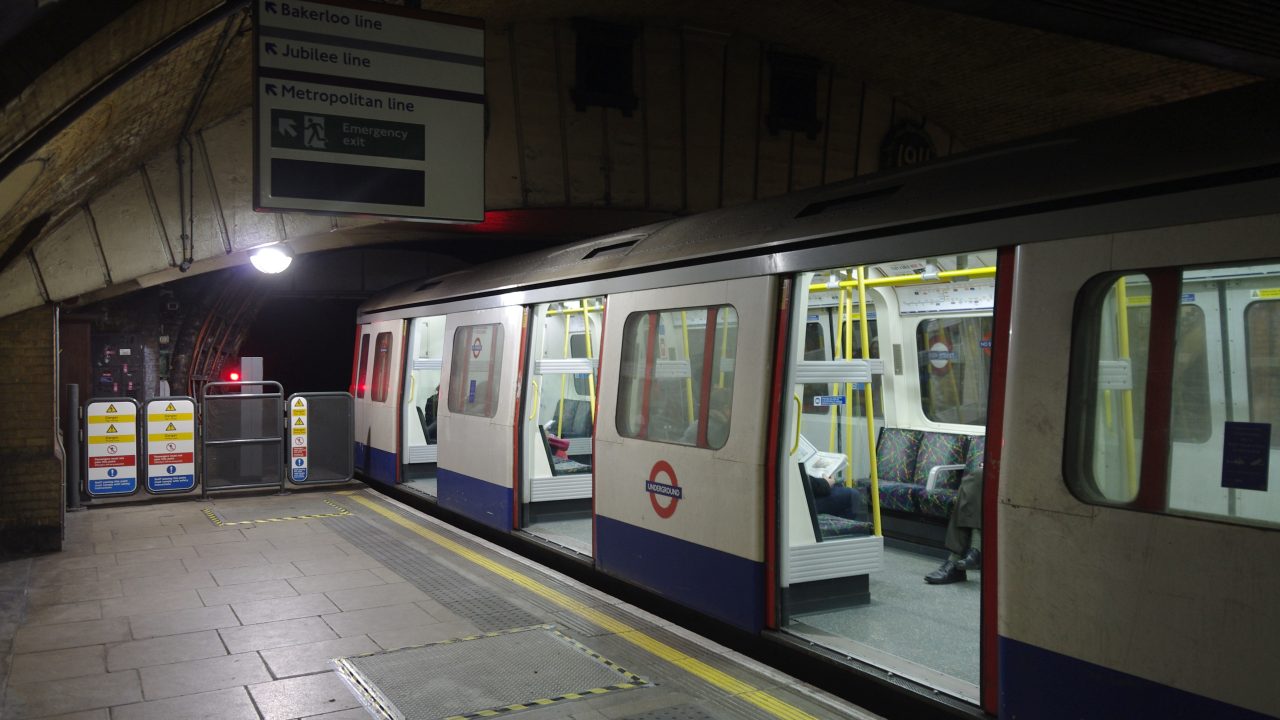
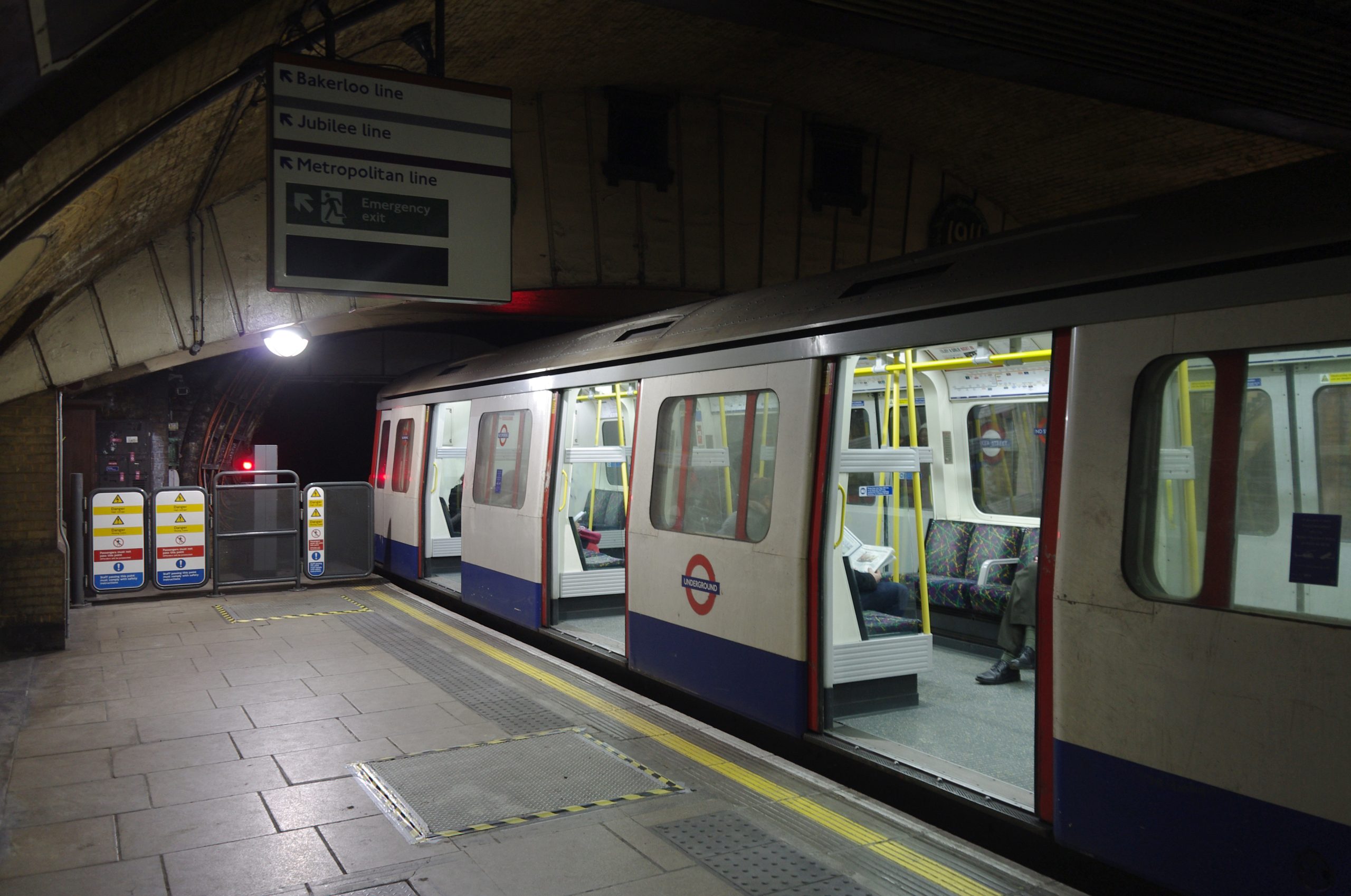
The introduction and expansion of London’s Night Tube service represent a significant shift in the city’s approach to urban mobility and its identity as a global 24-hour city. While proponents champion its potential to unlock economic opportunities and enhance the city’s vibrancy, critics raise concerns about its impact on quality of life, particularly for residents living near Tube lines. This column delves into the complex interplay between economic imperatives and social considerations, arguing that a nuanced approach is necessary to harness the benefits of a 24-hour transport system while mitigating its potential drawbacks.
Why It Matters
London’s status as a global hub is intrinsically linked to its ability to function around the clock. The Night Tube, extended to more lines and operating on weekends, is often presented as a crucial piece of infrastructure for supporting this ambition. For businesses, particularly in the hospitality, entertainment, and retail sectors, extended operating hours can translate into increased revenue and job creation. Tourists also benefit from greater freedom to explore the city at all hours, contributing to London’s appeal as a destination. Furthermore, a robust public transport system that operates late into the night can reduce reliance on more expensive and often less sustainable alternatives like taxis and private hire vehicles.
However, the economic argument must be weighed against the tangible impact on Londoners’ lives. The introduction of 24-hour services inevitably brings increased noise and light pollution, which can disrupt sleep patterns and reduce the quality of life for those living in close proximity to the tracks. This is particularly pertinent in a city where housing density is high, and many residents already contend with the challenges of urban living. The potential for increased antisocial behaviour associated with later-night travel also warrants consideration, placing additional demands on local authorities and the Metropolitan Police.
What Sources Show
Official figures from Transport for London (TfL) and various economic analyses highlight the initial positive economic impacts of the Night Tube. For instance, a report by London First in 2017 suggested that the Night Tube could support 2,000 jobs and generate £3.4 billion for the London economy. More recent assessments, though often focused on specific lines or events, generally point to increased footfall and spending in areas served by the extended hours. TfL’s own data has indicated a steady increase in ridership on Night Tube services since their inception, suggesting a genuine demand.
However, data on the social impact is more complex and often anecdotal, though increasingly supported by research. Studies on noise pollution from transport infrastructure consistently show negative health outcomes, including stress and sleep disturbances. While specific studies directly linking Night Tube noise to widespread adverse health effects are still emerging, the general understanding of urban noise pollution is clear. Furthermore, reports from community groups and local resident associations often articulate concerns about late-night noise, vibrations, and the potential for increased crime or disorder.
Competing Readings
One perspective views the Night Tube as an indispensable engine for economic growth, a necessary investment for London to maintain its competitive edge on the global stage. From this viewpoint, any negative social externalities are manageable and a fair price to pay for the broader economic benefits. This narrative often emphasizes the economic multiplier effect, arguing that increased business activity and employment outweigh localized disruptions. The argument is that London must adapt to the demands of a modern, globalised economy that operates 24/7, and the Night Tube is a vital part of that adaptation.
A contrasting reading focuses on the principle of “right to the city,” emphasizing that urban development should prioritise the well-being and quality of life of existing residents. This perspective argues that the economic benefits, while real, are not evenly distributed and often accrue to businesses and a mobile population, while the costs are borne disproportionately by those living along transport corridors. This viewpoint advocates for stricter noise regulations, better insulation for residential properties, and potentially different operational models that minimise disruption, perhaps through more targeted service hours or alternative transport solutions for specific needs.
What Remains Unclear
The long-term economic impact of the Night Tube across all sectors and demographics requires further sustained study. While initial projections were positive, understanding the full picture necessitates tracking economic benefits over many years, accounting for shifts in consumer behaviour and business models.
Equally, the precise extent of the social impact, particularly the quantifiable health consequences of noise and vibration, needs more rigorous, London-specific research. While general principles of urban noise pollution are well-established, the unique context of London’s Tube network and its surrounding residential areas warrants detailed investigation. The effectiveness of mitigation strategies, such as enhanced track maintenance or improved building insulation, also needs ongoing evaluation.
Practical Checks
For residents concerned about the Night Tube’s impact, several checks can be helpful:
- Noise Levels: If you live near a Night Tube line, use a decibel meter app on your phone (acknowledging its limitations compared to professional equipment) to get a general sense of noise levels during operating hours.
- Local Authority Consultations: Stay informed about local council consultations regarding transport infrastructure, noise pollution, and planning applications that might affect your area.
- TfL Feedback Channels: Utilise TfL’s official channels to report noise disturbances or provide feedback on the Night Tube service. Documenting these issues can help build a case for mitigation.
- Community Groups: Engage with local resident associations or community groups who may be campaigning on similar issues or have established communication lines with local authorities and TfL.
The following table summarises the potential benefits and drawbacks of London’s Night Tube:
- Economic: Increased revenue for businesses, job creation, enhanced tourism, city vibrancy. | Limited return on investment if ridership doesn’t meet projections, displacement.
- Social: Greater mobility for residents and visitors, support for late-night economy. | Noise and vibration pollution, potential for increased antisocial behaviour, sleep disruption.
- Environmental: Shift from private vehicles to public transport, reducing emissions per passenger. | Energy consumption of 24-hour operation, infrastructure wear and tear.
- Operational: Increased network utilisation, potential for efficiency gains. | Increased maintenance requirements, staffing costs, potential for service disruptions.
In conclusion, the Night Tube represents a classic urban dilemma: balancing the drive for economic progress and global city status with the imperative to protect and enhance the quality of life for those who call the city home. As London continues to evolve, finding this balance will require ongoing dialogue, robust data collection, and a commitment from all stakeholders to ensure that the city’s growth benefits everyone, not just a select few.
Related updates
US DOT road safety plan targets congestion and AV strategy, with implications for London’s Vision Zero approach
The US Department of Transportation’s 2026 National Roadway Safety Strategy prioritises rural and tribal communities and advanced technology to cut preventable crashes.…
Read update
Why the predicted Portland ‘Carmaggedon’ never arrived — and what London can learn about traffic evaporation
A month-long closure of a mile-long section of I-5 in Portland was forecast to triple commute times. Instead, morning peak journeys increased…
Read update
What the fall of Angkor reveals about the risks of low-density urban sprawl
A new analysis of the fall of Angkor, the ancient Khmer capital, draws parallels between its sprawling, low-density infrastructure and the vulnerabilities…
Read update
Why urban beauty matters for community wellbeing and civic pride
Research and everyday experience show that beautiful places foster stronger communities, better mental health, and greater civic engagement. What can London learn…
Read updateWiki relacionada
Transport for London: The Backbone of Transit, Street and Service Reporting
Transport for London (TfL) is the UK’s most comprehensive source for transit data, street management and service-quality reporting. This reference page explains…
Read update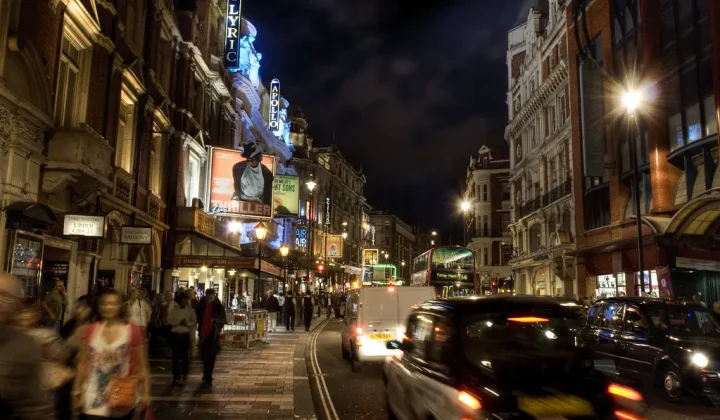
Transport for London: The Backbone of Transit, Street and Service Reporting
Transport for London (TfL) operates the city’s buses, Tube, trams, river services, roads and cycling infrastructure. This reference page explains how TfL…
Read update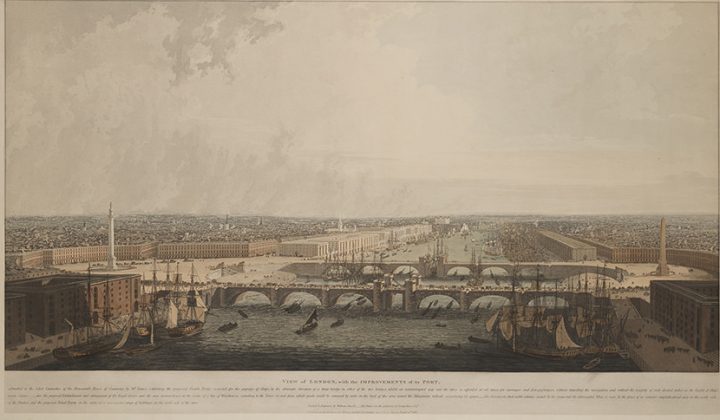
Understanding the London Plan: A Guide to the Capital’s Spatial Development Strategy
The London Plan sets the strategic framework for development, housing, transport and the public realm across the capital. This guide explains its…
Read update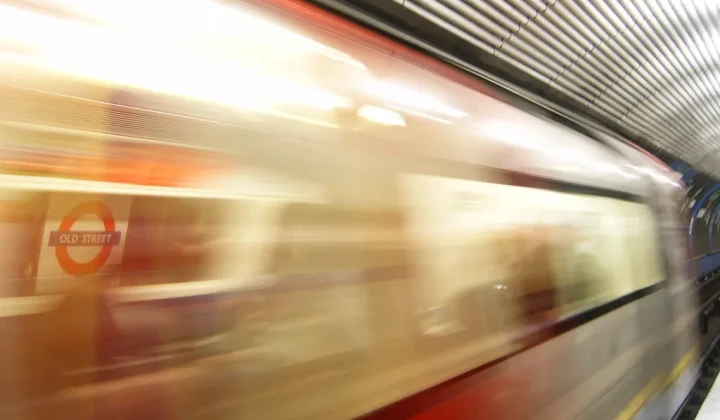
Transport for London as a Source for Transit, Street and Service-Quality Reporting
Transport for London is one of the most comprehensive urban data providers in the world. This reference page explains how journalists, planners…
Read update