Commentary Highlights Scepticism Over High-Speed Bus Proposals Amidst Calls for Rail Investment
A recent commentary piece critically examines proposals for high-speed bus systems as an alternative to conventional rail infrastructure, arguing for greater investment in established public transport modes and sustainable urban development.
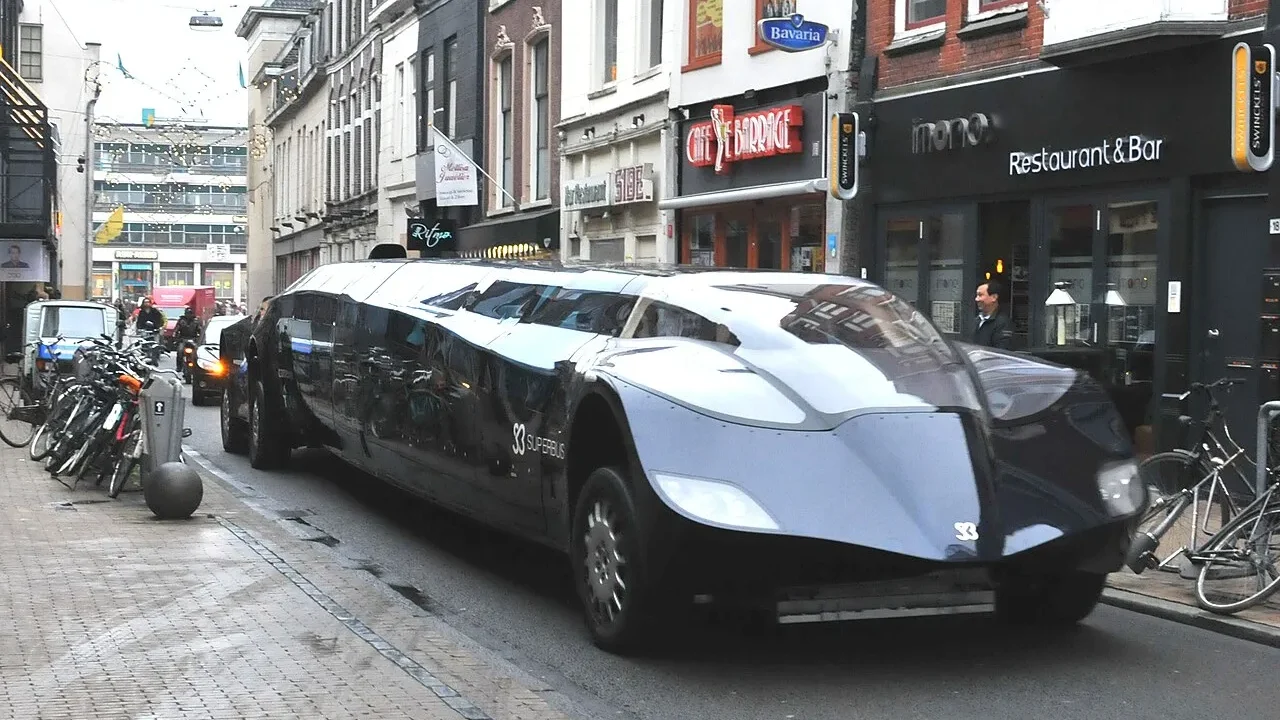
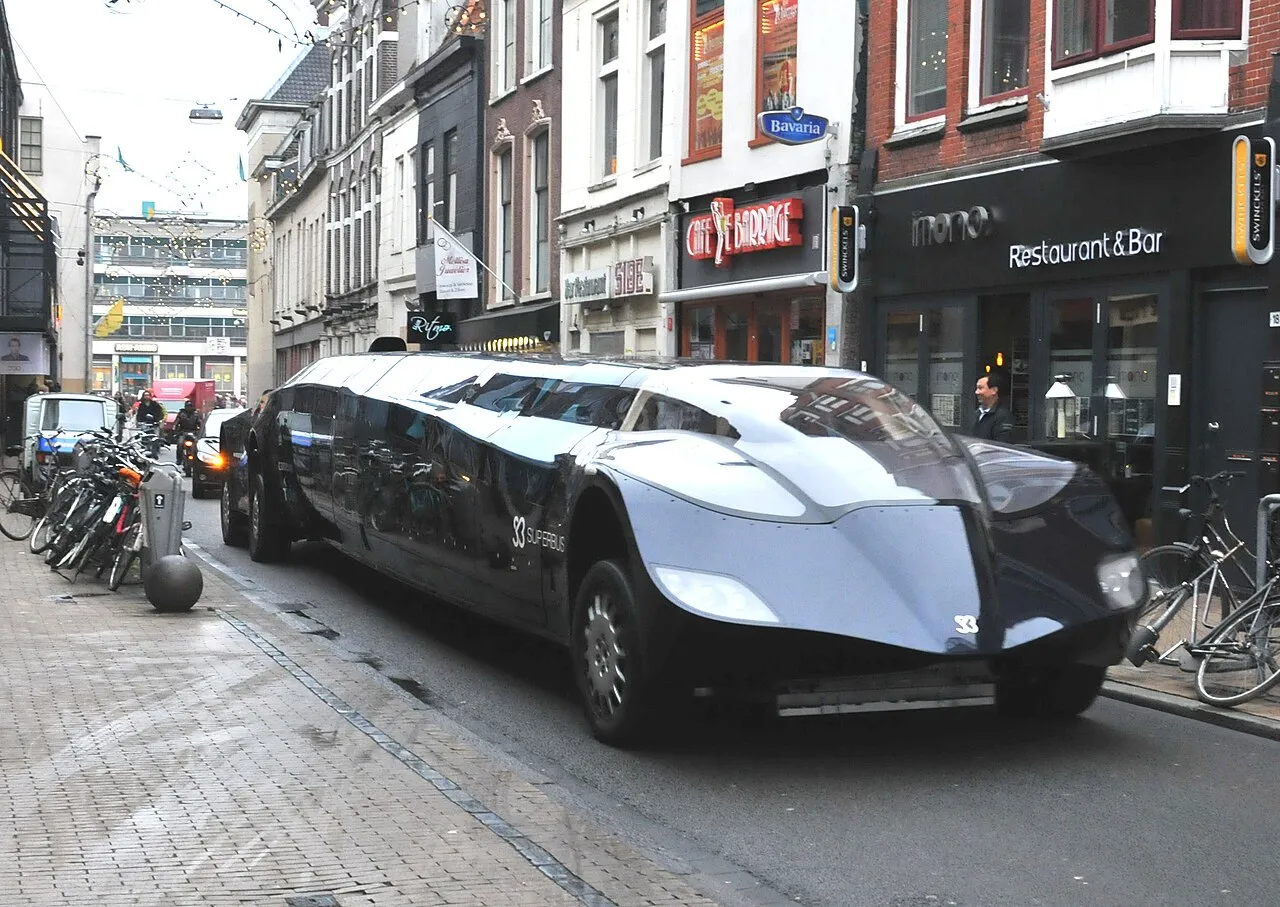
A recent commentary published by Streetsblog SF has sharply criticised proposals for high-speed bus systems as a viable alternative to high-speed rail, framing such studies as a misdirection of resources that could otherwise be invested in proven sustainable transport infrastructure. The article specifically targets the California Department of Transportation (Caltrans), suggesting that its focus on high-speed bus concepts indicates a fundamental misunderstanding of effective mass transportation and sustainable urban development.
The commentary draws a stark contrast between established high-speed rail technology, exemplified by the TGV Duplex in France, and the nascent concept of high-speed buses. It highlights the efficiency of high-speed trains, which can carry over a thousand passengers with a single driver on electric power, producing minimal carbon emissions. This is juxtaposed with the idea of 140-mph “super buses,” which the author dismisses as impractical for mass transit, citing examples of experimental, low-capacity vehicles described as “stunts” rather than scalable solutions.
The core argument put forward is that agencies like Caltrans, despite substantial budgets, continue to prioritise or study highway-centric solutions, even in contexts where such investments are demonstrably unsustainable or detrimental to urban and environmental goals. This perspective is particularly relevant to London and other major urban centres, where debates around transport infrastructure often weigh the expansion of road networks against investment in public transport, walking, and cycling. For London Urbanism Desk readers, the critique of short-sighted transport planning resonates with ongoing discussions about the future of the city’s transport network, its climate resilience goals, and the need for integrated, sustainable mobility solutions.
Critique of Current Transport Planning
The commentary suggests that the pursuit of high-speed bus studies by an agency with a nearly $20 billion annual budget is indicative of a broader institutional issue. It questions the allocation of funds to concepts deemed unrealistic while critical infrastructure needs remain unaddressed. This includes the widening of freeways that are predicted to be submerged due to rising sea levels within decades, and the consistent construction of roads that are reported to be among the most dangerous in the state. Such criticisms highlight a perceived disconnect between stated environmental and safety objectives and actual investment priorities.
From an urban planning perspective, the article’s concerns about agencies expanding freeways despite climate risks and promoting less sustainable transport options are significant. In London, similar tensions exist between maintaining road capacity, enhancing public transport, and promoting active travel. The commentary implicitly advocates for a paradigm shift in transport planning, moving away from car-centric approaches towards integrated, multimodal systems that prioritise environmental sustainability and public health.
The article also points out the potential for “greenwashing” – using superficial environmental gestures, such as painting bike lanes during a freeway widening project, to mask environmentally damaging practices. This practice undermines genuine efforts towards sustainable urban development and transport.
Alternative Investment Priorities
The commentary outlines several areas where investment could yield more productive outcomes for public transport and urban mobility. These include funding additional passenger rail services, acquiring and upgrading existing rail infrastructure through double-tracking and electrification, and building safe, dedicated cycling infrastructure. The author also suggests that the agency could support existing high-speed rail programs rather than proposing alternatives that detract from these efforts.
These alternative priorities align with best practices in urban planning and transportation in leading global cities, including London. Investment in rail infrastructure improves connectivity, reduces road congestion, and offers a lower-carbon travel option. Dedicated cycling infrastructure enhances safety, promotes active travel, and contributes to public health and cleaner air. The emphasis on these proven solutions over experimental or less sustainable alternatives is a key takeaway for those involved in shaping urban transport policy.
For London, where Transport for London (TfL) continually seeks innovative and sustainable solutions, the commentary serves as a reminder to critically evaluate new proposals against established best practices and long-term sustainability goals. The challenges of integrating various transport modes, funding large-scale infrastructure projects, and adapting to climate change are universal, making the Californian experience a relevant case study.
Institutional Inertia and Public Discourse
A significant concern raised in the commentary is the perceived institutional inertia and resistance to change within large transport agencies. The author describes the reporting on the high-speed bus study by mainstream press as uncritical, suggesting a failure to scrutinise proposals that may lack practical merit. This raises questions about the role of media in shaping public understanding of complex urban and transport planning issues.
The commentary concludes with a strong call for fundamental reform within such agencies, advocating for the replacement of current management and staff with qualified professionals who prioritise safety, effective transportation, and sustainable planning over outdated approaches. This perspective underscores the importance of leadership and expertise in driving urban development agendas that truly serve the public interest and address contemporary challenges.
Key facts:
- Source of Critique: Streetsblog SF commentary
- Target of Critique: Caltrans’ high-speed bus study
- Proposed Alternative: Investment in high-speed rail, conventional rail, active travel
- Core Argument: High-speed buses are an impractical, unsustainable alternative to proven mass transit
The implications for London’s urbanism context are clear: ongoing vigilance is required to ensure that transport planning decisions are rooted in evidence, sustainability, and genuine public benefit. The city’s ambitious climate targets and its role as a global leader in urban innovation necessitate a transport strategy that prioritises robust public transport, active travel, and resilient infrastructure. The commentary serves as a cautionary tale against diverting resources towards unproven concepts when established, sustainable solutions offer more tangible benefits for urban populations and the environment.
Source: Streetsblog SF, “Commentary: The ‘Super Bus’ is just More Evidence Caltrans is Irredeemable” https://sf.streetsblog.org/2026/05/20/commentary-the-super-bus-is-just-more-evidence-caltrans-is-irredeemable
Fuente
Streetsblog SF Publicacion original: 2026-05-20T15:18:04+00:00
Related updates

US mayors rank housing affordability as top crisis as costs squeeze cities
A new survey from the US Conference of Mayors finds affordable housing leading city leaders’ concerns as the rising cost of living…
Read update
Seattle School Board Member Challenges Washington State MAGA-Backed Initiatives
Seattle School Board member Joe Mizrahi has issued a detailed critique of three Washington State ballot initiatives funded by a hedge fund…
Read update
Lessons from Los Angeles: How housing policies can deter new development – a cautionary tale for London
Los Angeles developers are scaling back projects despite huge housing demand, blaming pandemic-era rent protections and a mansion tax that encourages small-scale…
Read update
Uber’s $10B robotaxi bet signals a shift in urban mobility, but London’s streets remain a different arena
Uber has announced a $10 billion investment in autonomous vehicles, intensifying the robotaxi race with Waymo, Zoox and Tesla. For London, the…
Read updateWiki relacionada

Urban Planning Terms: Density, Public Realm and Transit-Oriented Development
A living glossary for terms that appear again and again in planning and development stories.
Read update