
Chicago Unveils Comprehensive Complete Streets Design Guide
The Chicago Department of Transportation has released its new Complete Streets guidelines, aiming to improve safety and usability for all road users, with a focus on reducing traffic crashes and enhancing active transportation.
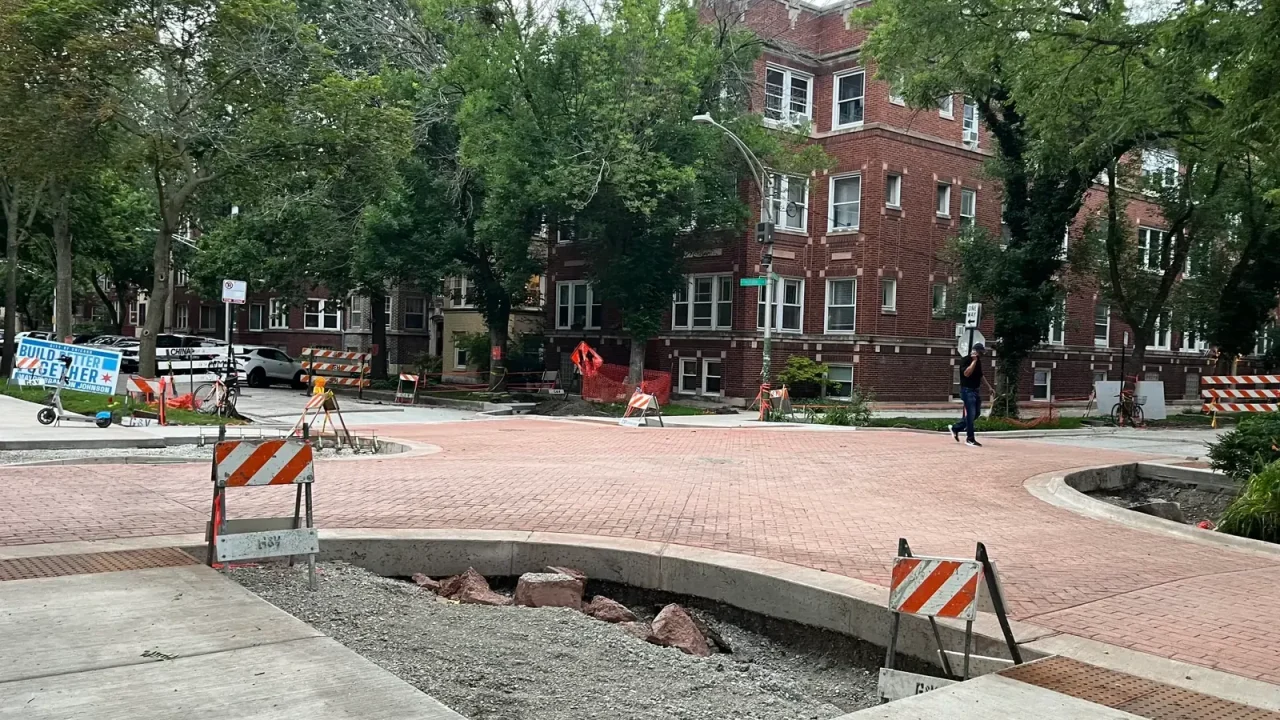
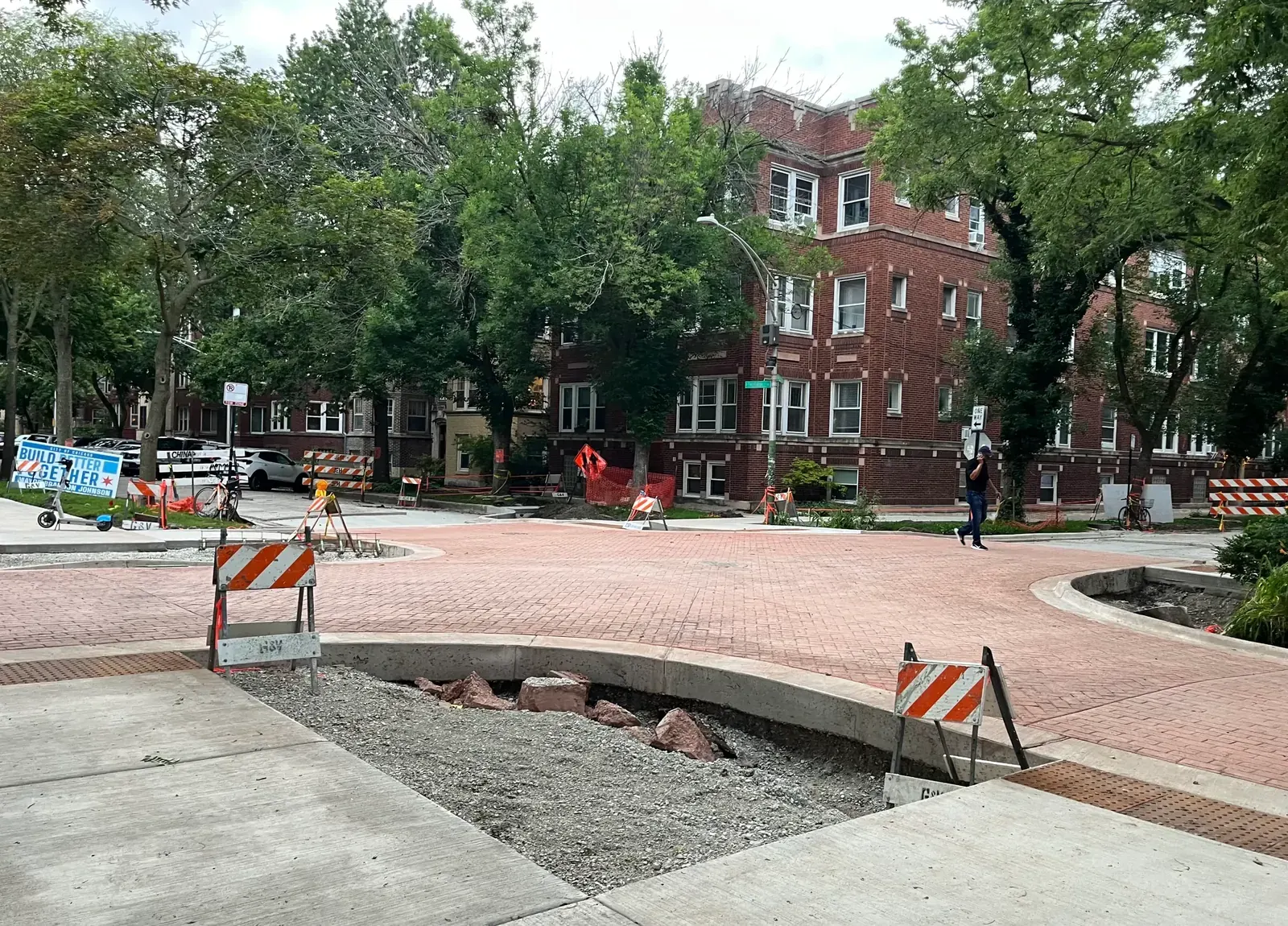
Chicago Department of Transportation (CDOT) has introduced its new Comprehensive Complete Streets Design Guide, a significant step towards creating safer and more accessible urban environments for all road users. The guide, recently published on the CDOT website, was previewed at a monthly meeting hosted by the Active Transportation Alliance (ATA).
David Powe, Assistant Commissioner at CDOT, along with Calvin Graham, a senior engineer from TYLin, a firm frequently collaborating with the city on such projects, provided an overview of the guidelines. Powe encouraged attendees to consider how even minor street alterations could benefit specific user groups.
Prioritizing Safety Through Data
A primary consideration within the new guidelines is the reduction of traffic crashes. Powe highlighted the tragic death of a CDOT colleague, Riley O’Neil, who was fatally injured in a cycling accident. This incident underscores the department’s commitment to preventing such tragedies through improved street design. Powe stated that the implementation of Complete Streets and protected bike lanes has already led to a substantial decrease in fatalities. The overarching goal is to reduce vehicle speeds, particularly in residential areas and near schools, which is directly linked to saving lives.
Traffic Calming Measures and Design Options
The design guide details a range of traffic calming measures that CDOT employs, including speed humps, traffic circles, raised crosswalks, and speed tables. Powe expressed a particular favour for raised intersections, noting their effectiveness in naturally slowing down traffic. While raised intersections are complex to implement, simpler and more cost-effective interventions like curb extensions are more commonly used.
CDOT also considers various reconfigurations whenever a road is scheduled for resurfacing. These include road diets, the installation of curb-protected bike lanes, and pedestrian refuge islands, as well as bus boarding islands. The guide references the successful Belmont Avenue improvements completed in 2025 between Kimball and Damen avenues, which incorporated protected bike lanes and other measures. This project created a safer east-west cycling route and connected to the 312 RiverRun, with CDOT data indicating a significant reduction in crashes and an increase in cycling following its completion.
Evolving Design Standards
The guidelines incorporate lessons learned over years of implementing street infrastructure projects. For instance, it is now recommended that protected bike lanes be a minimum of five feet wide, a standard revised after identifying that lanes in the downtown Loop were not sufficiently wide. The Complete Streets guidelines are described as a “living document,” subject to frequent updates as new data and best practices emerge.
Managing Curb Space
Considerations for curb use, including car parking and loading zones, are also addressed. The guide outlines options such as Neighborhood Greenways, which are designed as pedestrian- and bike-priority routes on side streets. These can offer low-stress bikeways without impacting car parking. Neighborhood Greenways often feature “contraflow” bike lanes, which legalize two-way biking on one-way streets. These projects frequently include curb bump-outs, raised crosswalks and intersections, and posted 20 mph speed limits.
During the question-and-answer session, discussions touched upon how CDOT balances the prioritization of car parking with other land uses. Powe explained that CDOT provides decision-makers with design parameters, always presenting the most robust safety options, including protected bike lanes.
Innovations in Traffic Calming
In response to a question about integrating bike-friendly features into speed humps, Graham mentioned that Chicago is piloting “sinusoidal” speed humps. These humps feature a more gradual rise and fall, designed to be smoother for cyclists. Graham also noted that CDOT avoids “speed pillows” with central breaks due to their tendency to deteriorate more quickly and require increased maintenance.
Legislative Support for Safer Streets
The meeting also included an overview of recent state legislative successes for safer streets, presented by ATA Advocacy Director Jim Merrell. These include the “Stop Super Speeders” bill, which aims to introduce technology to prevent repeat offenders from exceeding speed limits. Merrell also pointed out that speed cameras account for the vast majority of speed violations in Chicago. Additional legislative gains include measures to lower local speed limits and facilitate collaboration with the Illinois Department of Transportation for reducing speeds on state-controlled roads. The Illinois General Assembly has also enacted new regulations for e-bikes and “e-motos” capable of speeds exceeding 28 mph.
Key facts
| Aspect | Detail |
| :———————– | :—————————————————————— |
| Guide Focus | Safety, accessibility, and usability for all road users. |
| Key Improvement Areas | Reducing traffic crashes, traffic calming, protected bike lanes. |
| Design Principles | Data-driven decisions, lessons learned from existing infrastructure. |
| Emerging Technologies | Piloting sinusoidal speed humps for improved cyclist comfort. |
The new Complete Streets Design Guide represents a comprehensive approach by CDOT to reshape Chicago’s streets, prioritizing the safety and experience of pedestrians, cyclists, and all road users, while adapting to evolving urban mobility needs and design best practices.
Source: Streetsblog Chicago, https://chi.streetsblog.org/2026/07/03/cdot-gives-a-preview-of-complete-streets-design-guide-at-ata-monthly-meeting
Datos clave
| Punto | Detalle |
|---|---|
| Fuente | Streetsblog Chicago |
| Fecha | 2026-07-04T02:59:49+00:00 |
| Tema | CDOT gives a preview of its Complete Streets design guide at ATA monthly meeting |
Fuente
Streetsblog Chicago Publicacion original: 2026-07-04T02:59:49+00:00
Related updates

Seattle-Area Race Highlights Diverging Approaches to Housing, Transit and Tech Taxation
A Washington State legislative race in the 32nd District pits incrementalism against urgency on housing supply, transit funding and tech regulation, with…
Read update
New York court ruling on sanctuary policies carries implications for city-level immigration enforcement across the US
A federal judge has dismissed the Trump administration’s attempt to override New York City’s restrictions on immigration enforcement cooperation, citing state sovereignty.…
Read update
Automated license plate readers raise privacy, contract and oversight questions for UK cities
A new US-focused analysis of automated license plate recognition cameras highlights contract, privacy and oversight issues that London boroughs and Transport for…
Read update
Oregon’s “fix it first” dilemma: what London’s transport planners can learn from a revolt against megaprojects
Surveys show Oregonians overwhelmingly want existing roads repaired before new megaprojects are funded, and trust in the state’s transport agency has collapsed.…
Read updateWiki relacionada

Urban Planning Terms: Density, Public Realm and Transit-Oriented Development
A living glossary for terms that appear again and again in planning and development stories.
Read update