
Los Angeles Urban Mobility Updates: D Line, Burbank, Metrolink, and PCH Developments
Recent headlines from Los Angeles highlight ongoing developments in urban mobility, including progress on the D Line subway extension, transport initiatives in Burbank, Metrolink operations, and safety concerns on Pacific Coast Highway (PCH). These updates offer insights into the evolving transport landscape of a major
The urban mobility landscape of Los Angeles continues to evolve with several key developments highlighted in recent reports. These include advancements on the D Line subway extension, various transport-related initiatives in Burbank, ongoing operations and challenges for Metrolink, and critical discussions surrounding safety and pedestrian access along the Pacific Coast Highway (PCH). These updates reflect the dynamic nature of urban planning and infrastructure development in a city grappling with significant transportation demands and environmental considerations.
D Line Subway Extension Progress
The Metro D Line (formerly Purple Line) subway extension is a critical infrastructure project aimed at expanding rail transit access across central Los Angeles. This multi-phase project seeks to connect downtown Los Angeles to the Westside, significantly reducing travel times and providing a much-needed alternative to car-dependent commuting. Current reports indicate continued progress on various segments, with tunnelling and station construction advancing. The D Line extension is designed to serve high-density commercial and residential areas, including Miracle Mile, Beverly Hills, and Westwood, ultimately terminating near the VA Medical Center. Its completion is anticipated to reshape commuting patterns and support transit-oriented development along its corridor. The project involves complex engineering challenges due to the dense urban environment and geological conditions, including navigating under major boulevards and existing infrastructure. Stakeholders, including local businesses and residents, are closely monitoring construction impacts and future service benefits.
Burbank Transport Initiatives
Burbank, a significant employment and residential hub in the San Fernando Valley, is pursuing various transport initiatives to improve local and regional connectivity. These efforts often focus on enhancing public transit options, improving pedestrian and cycling infrastructure, and optimising traffic flow. Recent discussions have touched upon potential upgrades to Metrolink services within the city, aiming to provide more convenient connections for commuters. Additionally, Burbank often explores strategies to integrate different modes of transport, such as linking bus services with regional rail and promoting active travel. These initiatives are often driven by a desire to reduce vehicle miles travelled (VMT), mitigate congestion, and improve air quality, aligning with broader regional sustainability goals. The city's transport strategy frequently involves collaboration with regional agencies like Metro and Metrolink to ensure seamless integration into the wider Los Angeles County network.
Metrolink Operations and Regional Connectivity
Metrolink, Southern California's regional commuter rail system, plays a vital role in connecting various counties, including Los Angeles, Orange, Riverside, San Bernardino, and Ventura. Recent headlines often feature updates on Metrolink services, which can range from operational enhancements and schedule adjustments to discussions about future expansion and funding. The reliability and efficiency of Metrolink are crucial for thousands of commuters who travel long distances across the vast Southern California region. Challenges often include maintaining service frequency, addressing infrastructure needs, and adapting to changing ridership patterns. The system is also a key component of regional emergency preparedness and often sees increased usage during major events or incidents affecting road networks. Discussions about Metrolink frequently involve its role in regional planning, its potential for integration with high-speed rail, and its contribution to reducing traffic congestion and emissions across the greater metropolitan area.
Pacific Coast Highway (PCH) Safety and Access
The Pacific Coast Highway (PCH), particularly through areas like Malibu, is a scenic but often dangerous roadway. Recent reports frequently address concerns about road safety, pedestrian access, and environmental impacts along this critical coastal route. Efforts to improve safety often involve traffic calming measures, enhanced signage, improved pedestrian crossings, and discussions about speed enforcement. The PCH serves as both a major thoroughfare and a local access road for coastal communities, leading to conflicts between through traffic and local needs. Environmental considerations, such as coastal erosion and the impact of traffic on sensitive ecosystems, also play a significant role in planning decisions for the highway. Community groups and local authorities often engage in ongoing dialogues about balancing mobility, safety, and environmental protection along this iconic stretch of highway. Proposals for PCH often consider its dual role as a state highway and a lifeline for coastal communities, requiring careful planning to address diverse user needs.
Key facts
- D Line Extension: Connects downtown LA to Westside, reducing travel times, fostering TOD.
- Burbank Focus: Enhancing public transit, active travel, and regional connectivity.
- Metrolink Role: Regional commuter rail for Southern California, linking multiple counties.
- PCH Challenges: Balancing safety, mobility, environmental protection, and local access in Malibu.
The ongoing developments in Los Angeles's transportation sector reflect a broader commitment to enhancing urban mobility, sustainability, and connectivity. From expanding subway networks to improving regional rail and addressing critical highway safety, these initiatives collectively aim to shape a more efficient and accessible urban environment. The D Line extension represents a significant investment in public transit infrastructure, promising to transform commuting for a large segment of the population. Simultaneously, local initiatives in cities like Burbank demonstrate a localised approach to integrated transport planning. Metrolink’s continuous efforts underscore the importance of regional rail in a sprawling metropolitan area, while the persistent challenges on PCH highlight the complex task of managing diverse demands on existing infrastructure. These interconnected efforts illustrate the multifaceted nature of urban planning in a major global city, where infrastructure development must address not only current needs but also future growth and environmental resilience.
Source: Streetsblog LA – Tuesday’s Headlines, https://la.streetsblog.org/2026/05/19/tuesdays-headlines-150
Fuente
Streetsblog LA Publicacion original: 2026-05-19T23:06:10+00:00
Related updates

Chicago Driver Charged in Cyclist Hit-and-Run as Community Rallies
A hit-and-run driver who critically injured a doctor has been charged, bringing a measure of justice for the victim and his family,…
Read update
Oregon’s Lagging Higher Education Investment Impacts Economic Competitiveness
New data reveals Oregon significantly underinvests in higher education compared to national averages and neighbouring states, raising concerns about its future economic…
Read update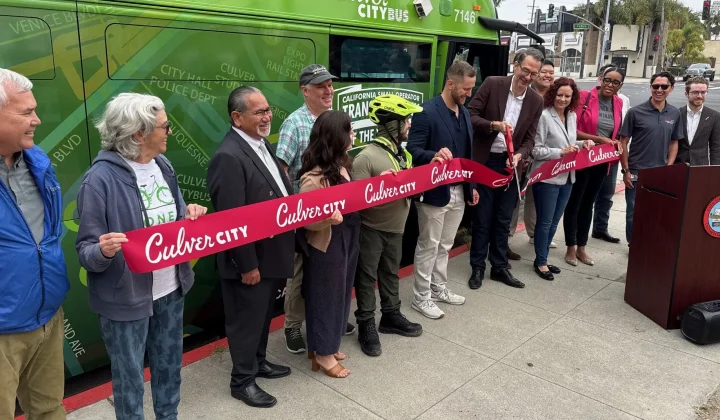
Culver City Opens Key Bus and Bike Lanes on Washington and Adams
The Move Culver City Eastern Segment project enhances active transport infrastructure, connecting crucial bikeway networks and improving safety for cyclists and bus…
Read update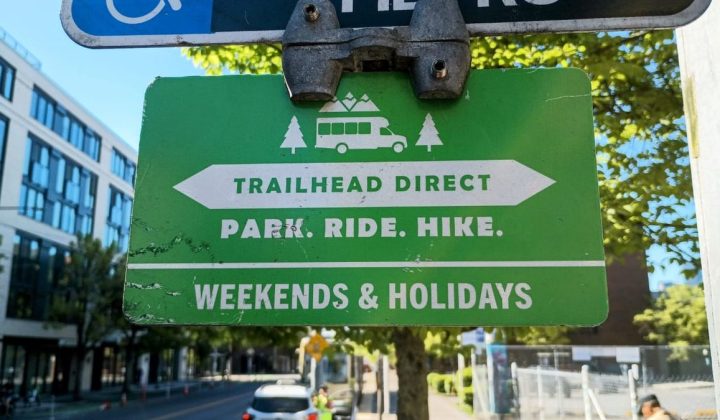
Seattle’s Trailhead Direct Service Returns with Weekend Shuttle Routes to Popular Hiking Spots
King County Metro launches its 2026 Trailhead Direct season, offering weekend shuttle services from light rail stations to Eastside trailheads, funded in…
Read updateWiki relacionada

Urban Planning Terms: Density, Public Realm and Transit-Oriented Development
A living glossary for terms that appear again and again in planning and development stories.
Read update