
Digital Platforms and Urban Engagement: A London Perspective
This sponsored content explores how digital platforms, from civic engagement tools to online entertainment, are increasingly shaping urban life and resident interaction in London, examining their role within the broader urban planning context.
Sponsored content
London, a city constantly evolving, is increasingly shaped by the digital platforms that underpin much of modern life. From local council consultations moving online to the widespread use of digital services for transport, retail, and entertainment, these platforms are not just tools but integral components of the urban experience. This sponsored content explores the multifaceted ways digital platforms influence London’s urban landscape, examining their role in civic engagement, service delivery, and even leisure, reflecting on a future where digital and physical realms are ever more intertwined.
The Digitalisation of Civic Engagement in London
The Greater London Authority (GLA) and various London boroughs have progressively embraced digital platforms to foster civic participation. Online consultation portals, digital mapping tools for planning applications, and virtual public meetings are now common. These initiatives aim to make urban planning processes more accessible and transparent, allowing a broader spectrum of residents to voice their opinions on development projects, policy changes, and public realm improvements.
For instance, platforms like ‘Talk London’ enable residents to contribute to policy discussions directly from their homes, breaking down geographical and time barriers. This shift towards digital engagement is crucial for a sprawling metropolis like London, where traditional in-person meetings might exclude many due to work commitments, travel distances, or accessibility issues. However, it also raises questions about digital inclusion and ensuring that all demographic groups have equal access to these platforms.
Digital Services and Urban Mobility
Transport for London (TfL) stands as a prime example of how digital platforms have revolutionised urban services. The Oyster card system, contactless payments, and real-time journey planning apps have fundamentally transformed how Londoners navigate the city. These digital tools not only enhance efficiency but also provide valuable data for urban planners to optimise routes, manage congestion, and anticipate future transport needs.
The proliferation of ride-sharing apps and micro-mobility services (e.g., e-scooters, bike-sharing) further illustrates the profound impact of digital platforms on urban mobility. While offering convenience, they also present challenges related to public space management, infrastructure demands, and equitable access. London’s urban planners must continuously adapt to these rapidly evolving digital solutions to ensure they contribute positively to the city’s sustainability and livability goals.
The Role of Digital Entertainment in Urban Leisure
Beyond civic and utility functions, digital platforms significantly influence how Londoners spend their leisure time. The rise of online entertainment, from streaming services to gaming platforms, offers new avenues for recreation and social interaction. While often consumed within private spaces, the impact on the urban fabric is indirect but notable, influencing demand for physical entertainment venues, retail patterns, and even nighttime economies.
For many, digital entertainment platforms provide accessible and diverse options for unwinding. For example, platforms like Royal game casino offer a wide array of online games, contributing to the broader digital leisure landscape. Such platforms, like many others in the entertainment sector, highlight the increasing integration of digital experiences into daily life, offering choices that complement or sometimes replace traditional urban leisure activities. It’s important for users to engage responsibly with all forms of online entertainment.
Digital Infrastructure and Urban Resilience
The reliance on digital platforms necessitates robust digital infrastructure. London’s commitment to expanding 5G networks and improving broadband connectivity is not just about faster internet; it’s about building the foundational layer for a truly smart city. This infrastructure supports everything from smart traffic lights and environmental sensors to digital health services and remote work, all of which contribute to the city’s resilience and capacity to adapt to future challenges.
However, the rapid pace of technological change also presents challenges. Cybersecurity, data privacy, and the digital divide are critical considerations for London’s urban planners. Ensuring equitable access to high-speed internet and digital literacy programs are paramount to prevent certain communities from being left behind in the digital transformation.
Future Perspectives: Integrating Digital and Physical
The future of London’s urbanism will undoubtedly involve a deeper integration of digital and physical environments. Urban planners are increasingly exploring concepts like digital twins – virtual replicas of the city that can simulate various scenarios, from climate change impacts to new development proposals. These tools, powered by vast datasets and advanced analytics, promise to make urban planning more precise, predictive, and participatory.
As London continues its journey as a global city, the strategic integration of digital platforms will be key to addressing its complex challenges, from housing and transportation to environmental sustainability. The balance lies in harnessing the power of technology to create a more efficient, equitable, and enjoyable urban experience for all its residents, while always prioritising human-centred design and responsible digital governance.
Related updates

When zoning reform meets private covenants: the HOA obstacle to backyard cottages
As more US cities rewrite zoning rules to allow accessory dwellings, private homeowners’ association covenants remain a barrier that reform alone cannot…
Read update
Seattle-Area Race Highlights Diverging Approaches to Housing, Transit and Tech Taxation
A Washington State legislative race in the 32nd District pits incrementalism against urgency on housing supply, transit funding and tech regulation, with…
Read update
New York court ruling on sanctuary policies carries implications for city-level immigration enforcement across the US
A federal judge has dismissed the Trump administration’s attempt to override New York City’s restrictions on immigration enforcement cooperation, citing state sovereignty.…
Read update
Automated license plate readers raise privacy, contract and oversight questions for UK cities
A new US-focused analysis of automated license plate recognition cameras highlights contract, privacy and oversight issues that London boroughs and Transport for…
Read updateWiki relacionada

Transport for London: The Backbone of Transit, Street and Service Reporting
Transport for London (TfL) is the UK’s most comprehensive source for transit data, street management and service-quality reporting. This reference page explains…
Read update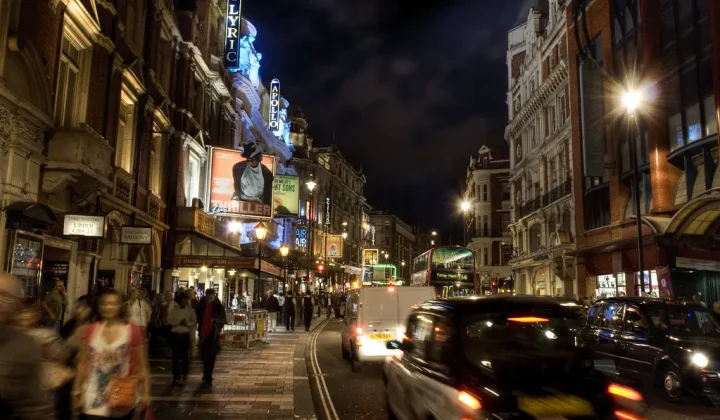
Transport for London: The Backbone of Transit, Street and Service Reporting
Transport for London (TfL) operates the city’s buses, Tube, trams, river services, roads and cycling infrastructure. This reference page explains how TfL…
Read update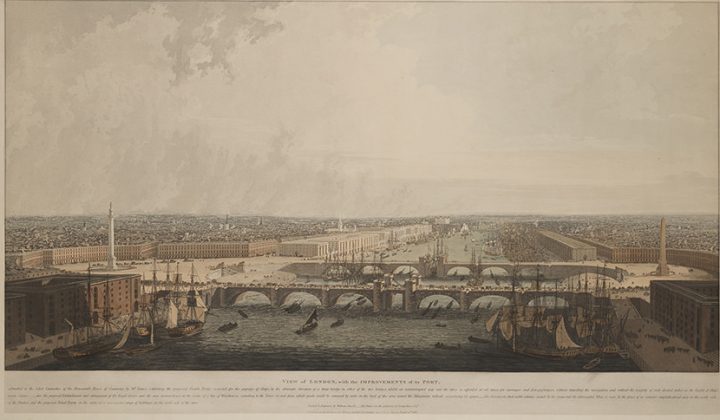
Understanding the London Plan: A Guide to the Capital’s Spatial Development Strategy
The London Plan sets the strategic framework for development, housing, transport and the public realm across the capital. This guide explains its…
Read update
Transport for London as a Source for Transit, Street and Service-Quality Reporting
Transport for London is one of the most comprehensive urban data providers in the world. This reference page explains how journalists, planners…
Read update