
Chicago Bike Share Navigates Growth and Equity Challenges
Veterans of Chicago's bike share program, Divvy, shared insights on expansion, affordability, and accessibility at a recent Transport Chicago conference, highlighting both successes and areas for improvement.
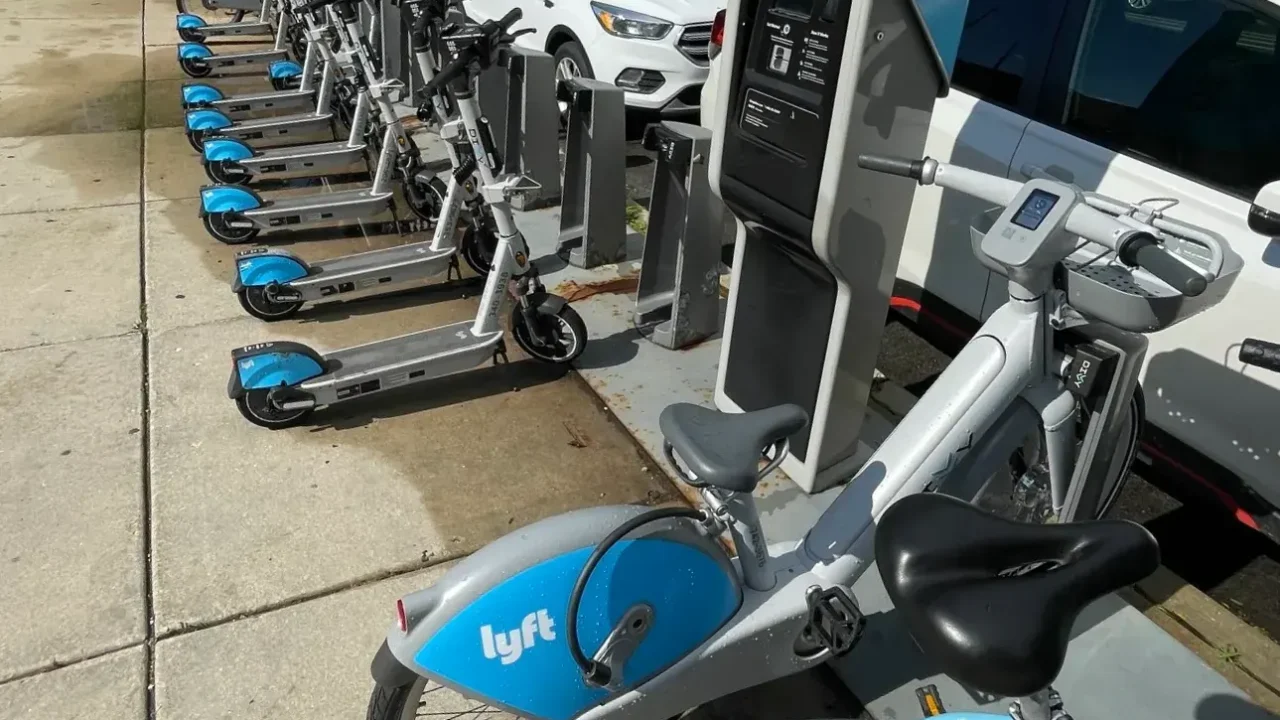
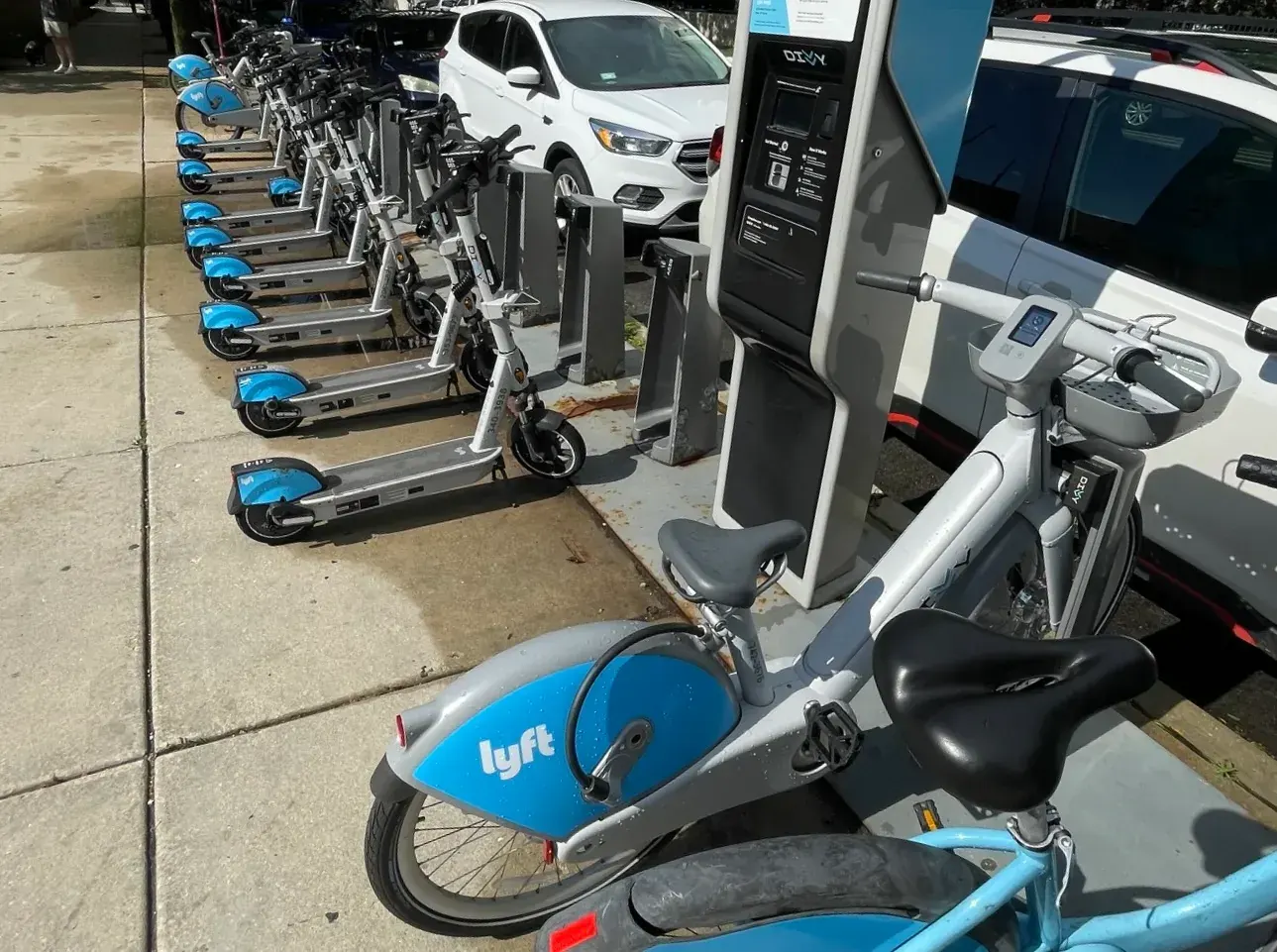
Chicago’s Divvy bike share program, a significant component of the city’s urban mobility landscape, is navigating a period of substantial growth and grappling with complex challenges related to equity and accessibility. At a recent Transport Chicago conference, a panel of program veterans dissected the program’s trajectory, sharing candid reflections on “The Good, the Bad, and the Rebalanced: Honest Lessons & Opportunities from Bike Share Expansion in Chicago and the Region.”
The discussion, featuring representatives from the Chicago Department of Transportation (CDOT), the City of Evanston, the mobility justice nonprofit Equiticity, and the Cook County Department of Transportation and Highways, underscored a generally positive outlook for bike share adoption. Ridership and interest are on the rise across Chicago’s neighborhoods and surrounding suburban communities.
Divvy’s Expansion and Ridership Surge
David Powe, formerly overseeing Divvy for CDOT, provided a historical overview of the system, which launched in 2013. The COVID-19 pandemic significantly accelerated its growth, as Chicagoans sought safe and accessible outdoor transportation options. Since 2020, CDOT has responded by installing hundreds of new stations and thousands of docks, leading to a sustained boom in ridership.
In an effort to further broaden its user base, Divvy introduced a reduced-price $99 annual membership last year for new and lapsed members whose income exceeds the threshold for the $5 Divvy for Everyone program. This initiative contributed to a new record in 2025, with nearly 13 million Divvy and e-scooter-share trips recorded across the city.
E-bikes, in particular, have seen a remarkable surge in popularity, with ridership growing by 20 percent year-over-year. Powe humorously noted that Divvy has become the fourth-largest transit system in Chicagoland, trailing only Pace. The current strategic question for CDOT revolves around “How big can Divvy get?” with affordability and access remaining central to its expansion plans. Annual negotiations with Lyft, the concessionaire for the bike-share system, influence pricing structures and necessitate a membership model to ensure a stable income stream. CDOT is also actively considering how to manage the public right-of-way to prevent clutter from devices and ensure that stations and bikes remain conveniently located as the system expands.
Suburban Integration and Educational Needs
In Evanston, a modest but growing Divvy rollout is underway, currently comprising 14 stations and 240 bikes, with plans to add 17 more. Sarah Fiorito from the City of Evanston highlighted the need for enhanced user education. This includes clarifying program mechanics, promoting safe riding practices, and ensuring the proper parking of e-Divvies. Specifically, Fiorito emphasized the importance of using the integrated cable locks on electric cycles to secure them to street furniture or poles, rather than leaving them obstructing sidewalks.
Fiorito also advocated for greater regional coordination among bike-share initiatives. She argued that “Tiny municipalities shouldn’t be negotiating with a massive company like Lyft,” suggesting that a more unified approach could yield better terms and more effective program management. To address some of these concerns, Evanston is piloting a rider education program with students in the District 65 school system. The city has also updated its Bike Plan, with a revised version set for release later this year.
Mobility Justice and Community Hubs
Remel Terry of Equiticity presented the vision for the GoHub project in the Lawndale neighborhood. This physical space is designed to offer a diverse fleet of shared mobility options, including bikes, cargo bikes, e-bikes, e-scooters, and electric vehicles, catering to a wide range of resident needs. The GoHub will also provide on-site staff to offer assistance, answer questions, and foster trust within the community.
While Equiticity regards Divvy as a valuable resource, Terry explained that the traditional station-to-station model, with its 45-minute time limit before incurring fees on non-electric bikes, poses difficulties for many low-income residents on Chicago’s South Side. The GoHub aims to offer low-to-no-cost membership options and integrate educational resources, such as safety training and guided rides. A key component of the GoHub’s vision includes workforce development, preparing young people for careers as bike and EV mechanics.
Regional Planning and Future Implementation
Ryan Ruehle from the Cook County Department of Transportation and Highways shared an overview of the County’s Bike Share Feasibility Study. The study employed a methodology to identify areas “primed for bike share,” focusing on locations with strong transit connections and a high density of destinations and points of interest. Ten zones were identified, with the top five selected for Divvy implementation. Ruehle noted that the County drew comparisons with suburban bike-share expansions in the Boston and Washington, D.C. metropolitan areas. The final report is expected later this summer, after which planning for actual implementation will commence.
Key facts
| Aspect | Detail |
|—————-|——————————————————————————————|
| Program | Divvy (Chicago’s bike share program) |
| Recent Growth | Record-breaking ridership in 2025, significant e-bike adoption, expansion into suburbs. |
| Key Challenges | Affordability, equitable access, user education, regional coordination, public way management. |
| Future Plans | Continued expansion, community mobility hubs (e.g., Equiticity’s GoHub), suburban integration. |
The ongoing expansion and evolution of Divvy and similar bike-share programs present both opportunities and responsibilities for urban planners and policymakers. Ensuring that these systems are not only convenient but also equitable and integrated into the broader public transportation network is crucial for fostering sustainable and inclusive urban mobility. Lessons learned from Chicago’s experience, particularly concerning access for low-income communities and the need for regional cooperation, offer valuable insights for cities across the UK and globally looking to enhance their own bike-share offerings.
Source: Streetsblog Chicago, “At Transport Chicago panel, bike-share program veterans discussed “The Good, the Bad, and the Rebalanced””, https://chi.streetsblog.org/2026/06/19/at-transport-chicago-panel-bike-share-program-veterans-discussed-the-good-the-bad-and-the-rebalanced
Datos clave
| Punto | Detalle |
|---|---|
| Fuente | Streetsblog Chicago |
| Fecha | 2026-06-19T22:05:39+00:00 |
| Tema | At Transport Chicago panel, bike-share program veterans discussed “The Good, the Bad, and the Rebalanced” |
Fuente
Streetsblog Chicago Publicacion original: 2026-06-19T22:05:39+00:00
Related updates
Seattle-Area Race Highlights Diverging Approaches to Housing, Transit and Tech Taxation
A Washington State legislative race in the 32nd District pits incrementalism against urgency on housing supply, transit funding and tech regulation, with…
Read update
New York court ruling on sanctuary policies carries implications for city-level immigration enforcement across the US
A federal judge has dismissed the Trump administration’s attempt to override New York City’s restrictions on immigration enforcement cooperation, citing state sovereignty.…
Read update
Automated license plate readers raise privacy, contract and oversight questions for UK cities
A new US-focused analysis of automated license plate recognition cameras highlights contract, privacy and oversight issues that London boroughs and Transport for…
Read update
Oregon’s “fix it first” dilemma: what London’s transport planners can learn from a revolt against megaprojects
Surveys show Oregonians overwhelmingly want existing roads repaired before new megaprojects are funded, and trust in the state’s transport agency has collapsed.…
Read updateWiki relacionada

Urban Planning Terms: Density, Public Realm and Transit-Oriented Development
A living glossary for terms that appear again and again in planning and development stories.
Read update