
Transport for London: A Comprehensive Source for Urban Mobility Insights
Discover how Transport for London (TfL) serves as an invaluable resource for understanding and reporting on London's transit systems, streetscapes, and service quality.
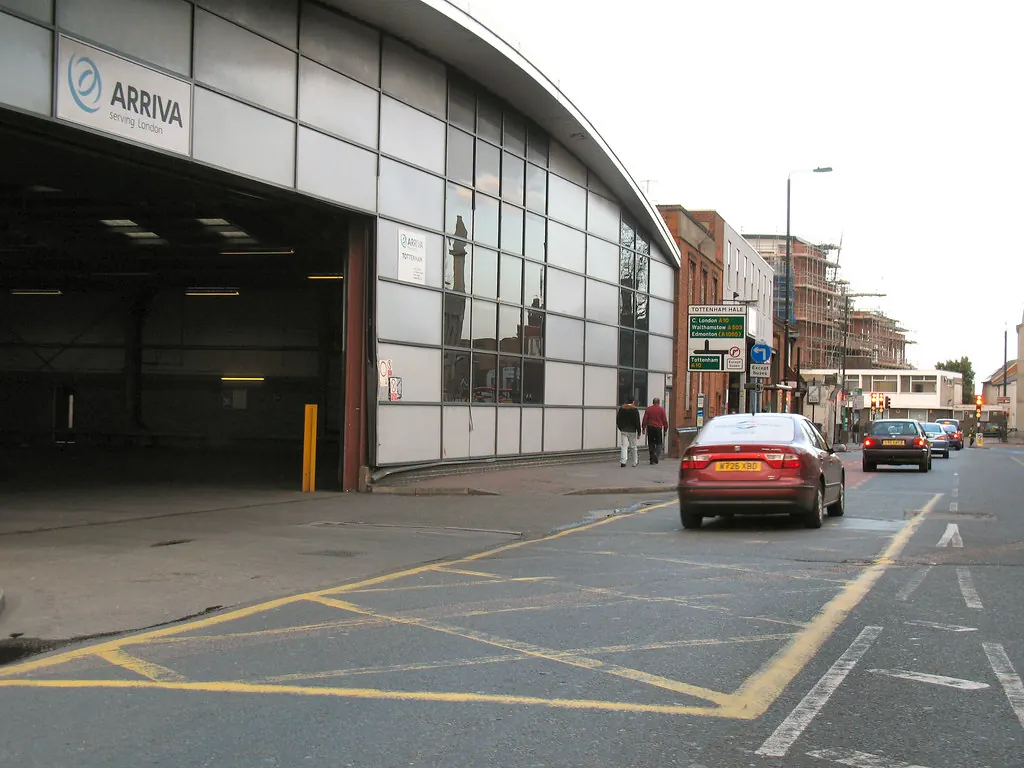
Transport for London (TfL) is a cornerstone for anyone seeking to understand the intricate workings of London’s vast urban mobility network. As the integrated body responsible for most of the transport system in Greater London, TfL provides a wealth of data and information that is essential for reporting on transit, street management, and overall service quality. This comprehensive overview explores how TfL functions as a primary source for urbanism professionals, researchers, and the public.
Understanding TfL’s Role
TfL manages a diverse range of transport services, including the London Underground, London Buses, London Overground, Docklands Light Railway (DLR), Croydon Tramlink, the Elizabeth line, and various other services. Beyond simply operating these networks, TfL is also responsible for managing London’s roads, regulating taxis and private hire vehicles, and promoting walking and cycling. This broad remit means that TfL holds data and insights relevant to almost every facet of urban movement within the capital.
For reporting purposes, TfL offers an unparalleled depth of information. Whether you are analysing passenger numbers, journey times, service disruptions, infrastructure development, or the impact of transport on urban life, TfL’s official channels are the most reliable starting point.
Reporting on Transit Performance
When reporting on the performance of London’s public transport, TfL is the definitive source. The organisation regularly publishes performance statistics, customer satisfaction surveys, and operational updates. This allows for detailed analysis of:
- Reliability and Punctuality: TfL provides data on the punctuality of its services, including regular performance dashboards for the Tube, buses, and rail networks. This is crucial for understanding passenger experience and identifying areas for improvement.
- Passenger Flow and Capacity: Information on passenger numbers, peak travel times, and station crowding can be found, offering insights into demand patterns and the capacity of the network.
- Service Changes and Disruptions: TfL communicates planned engineering works and unplanned disruptions, which are vital for reporting on the day-to-day reality of commuting in London.
The TfL website (tfl.gov.uk) offers dedicated sections for performance and statistics, often broken down by mode of transport. Readers should consult these sections for the most up-to-date figures and detailed reports.
Street and Public Realm Insights
TfL’s responsibility extends to London’s road network, which is essential for understanding the city’s streetscape and the management of public space. TfL manages the Transport for London Road Network (TLRN), which includes major roads, tunnels, and bridges. Information related to this network can inform reports on:
- Traffic Congestion and Flow: While real-time traffic data is often dynamic, TfL provides historical data and reports on traffic levels, congestion charging impacts, and road safety initiatives.
- Street Infrastructure and Development: TfL is involved in major street improvement projects, cycling infrastructure development (like Cycle Superhighways), and pedestrianisation schemes. Their publications often detail the aims and progress of these projects.
- Street Environment: Data and policy documents related to street furniture, public realm improvements, and the impact of transport on the urban environment can be found through TfL’s planning and policy sections.
For detailed reporting on London’s streets, TfL’s strategic planning documents and specific project pages are invaluable.
Service Quality and Customer Experience
Beyond operational metrics, TfL is committed to improving service quality and the overall customer experience. This is reflected in their published customer feedback, accessibility information, and service standards.
- Customer Feedback Mechanisms: TfL outlines how customers can provide feedback and often publishes summaries of common issues and areas of focus for service improvement.
- Accessibility: TfL provides detailed information on the accessibility of stations and services, including step-free access, audio-visual information, and assistance for passengers with disabilities. This is critical for inclusive urbanism reporting.
- Fare and Ticketing Information: While primarily practical, changes or developments in fare structures and ticketing systems (like Oyster and contactless payments) can have significant implications for affordability and accessibility, making them relevant for broader urban reporting.
TfL’s commitment to transparency means that information regarding service standards and customer initiatives is generally well-documented on their website.
Leveraging TfL Open Data
For in-depth analysis and custom reporting, TfL Open Data (tfl.gov.uk/info-for/open-data-users/) is an indispensable resource. This platform provides access to a vast range of datasets that can be used for research, application development, and detailed journalistic reporting. Key datasets include:
| Data Set Category | Description | Potential Reporting Use |
|---|---|---|
| Crowding Information | Real-time and historical data on passenger crowding on Tube and Overground lines. | Analysing peak times, identifying underutilised capacity, reporting on passenger comfort. |
| Journey Times | Data on actual journey times across various modes of transport. | Evaluating punctuality against advertised schedules, identifying bottlenecks. |
| Service Disruptions | Information on planned and unplanned service incidents. | Tracking the frequency and impact of delays, assessing network resilience. |
| Station Usage | Entry and exit counts for Tube and Overground stations. | Understanding passenger flow, identifying popular routes, assessing impact of new developments. |
| Cycling Data | Usage statistics for Santander Cycles and cycle hire schemes. | Reporting on the adoption of cycling, analysing demand patterns for micro-mobility. |
The TfL Open Data portal allows users to download datasets in various formats, facilitating detailed statistical analysis. It is crucial for data-driven journalism and academic research into London’s transport ecosystem. When using this data, it is always advisable to consult the accompanying data dictionaries and usage guidelines provided by TfL.
Limitations and Verification
While TfL is an authoritative source, it is important to note that certain data may be subject to change or may require specific interpretation. For the most current information on service status, planned works, or specific performance metrics, readers should always refer directly to the official Transport for London website. For data requiring specific technical expertise or complex analysis, consulting TfL’s open data documentation is essential.
Sources and Limits
This reference page is based on information available from the following official sources:
- Transport for London: https://tfl.gov.uk/
- TfL Open Data: https://tfl.gov.uk/info-for/open-data-users/
These sources provide comprehensive data and information regarding London’s transport network, street management, and service quality. For the most up-to-date details, specific figures, or policy documents, direct consultation of these official TfL resources is recommended.
Fuentes
- [{"name": "Transport for London", "url": "https://tfl.gov.uk/"}, {"name": "TfL Open Data", "url": "https://tfl.gov.uk/info-for/open-data-users/"}]
Historial de cambios
Ultima revision y actualizacion: 20 June 2026.
Latest related updates

The Crucial Next Steps for London’s Planning Policy: Navigating the New London Plan
As London City Hall embarks on revising its pivotal planning strategy, understanding the implications and the path forward is essential for residents,…
Read update
Chicago Bike Share Navigates Growth and Equity Challenges
Veterans of Chicago's bike share program, Divvy, shared insights on expansion, affordability, and accessibility at a recent Transport Chicago conference, highlighting both…
Read update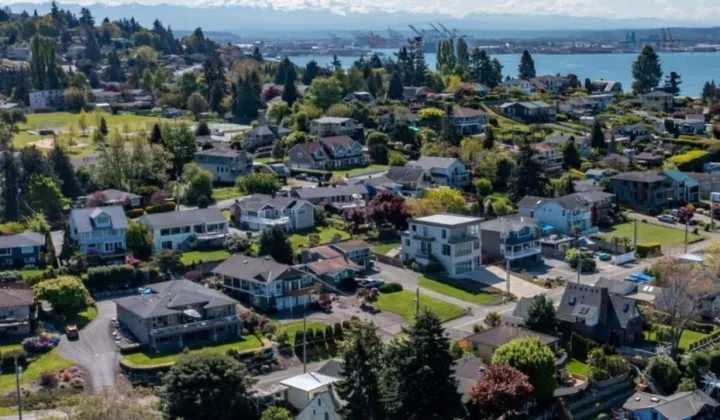
Tacoma Sees 62% Surge in Housing Pipeline Post-Zoning Overhaul
A year after implementing significant zoning changes, Tacoma has experienced a substantial increase in housing permits, indicating a positive response to relaxed…
Read update
Digital Platforms and Urban Engagement: A London Perspective
This sponsored content explores how digital platforms, from civic engagement tools to online entertainment, are increasingly shaping urban life and resident interaction…
Read update