
King County Sales Tax Measure Could Shortchange Seattle’s Transportation Funding
A proposed amendment to a new King County sales tax measure threatens to cap Seattle's share of pass-through transportation funding, potentially costing the city millions annually despite its significant contribution to sales tax revenue.
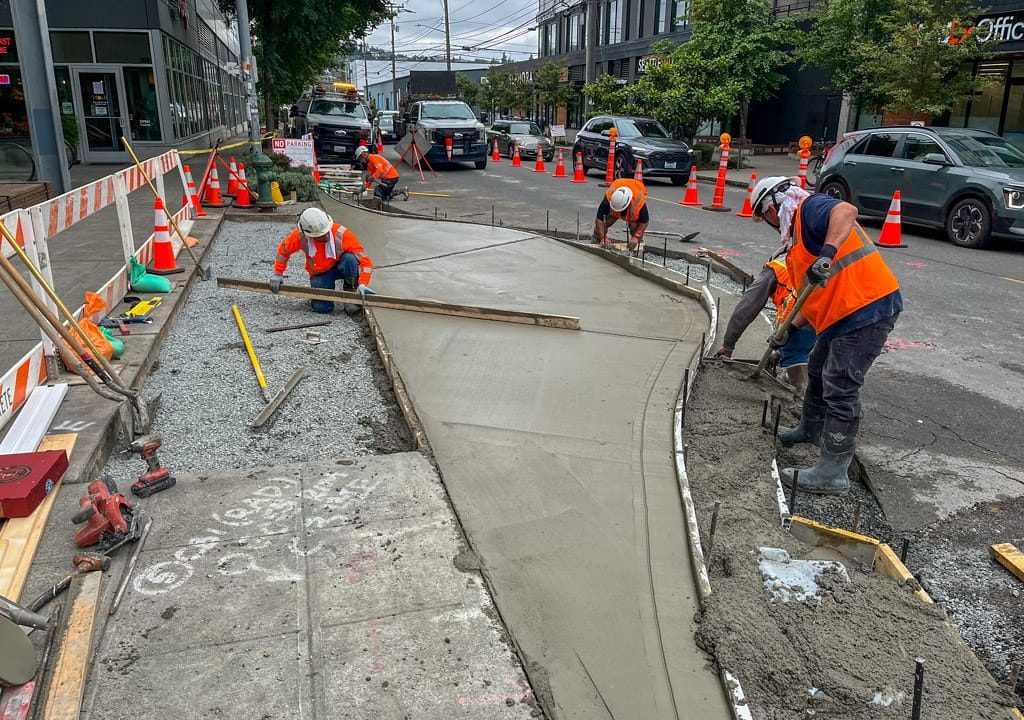
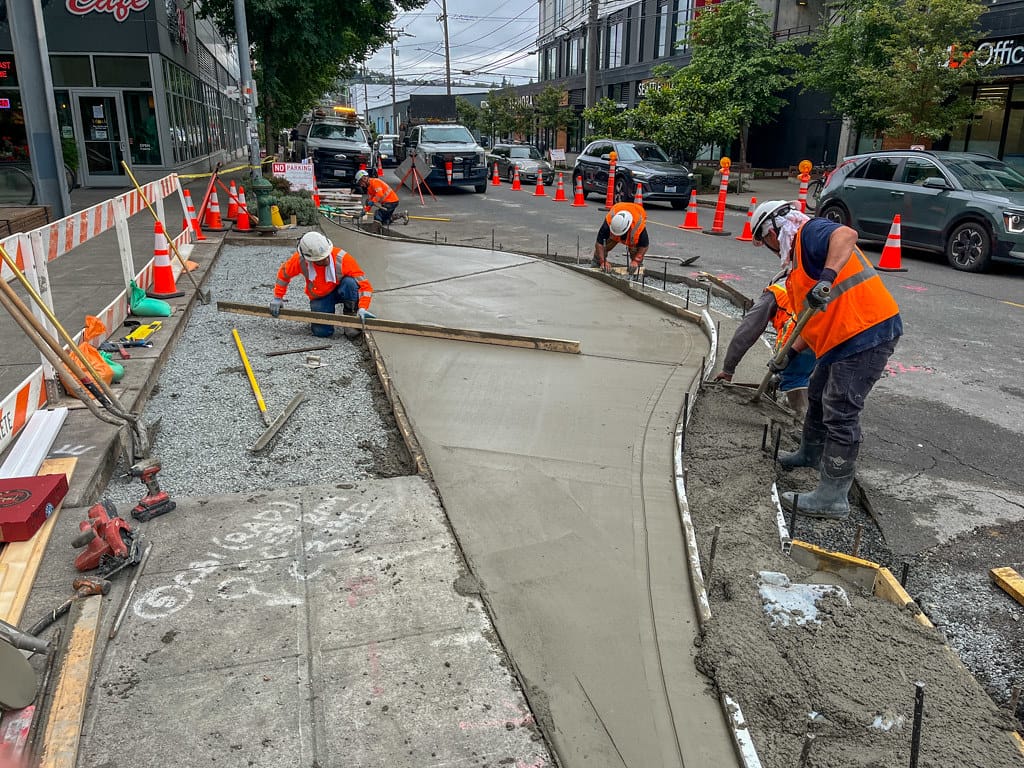
King County is moving to implement a new 0.1% sales tax to bolster its Road Services Division, with the measure expected to generate approximately $100 million annually. While the bulk of these funds are earmarked for maintaining the county’s 1,500 miles of roads in unincorporated areas, a provision for pass-through funding to King County’s 39 cities has become a point of contention, particularly concerning Seattle’s share. An amendment proposed by King County Councilmember Steffanie Fain includes a cap that could significantly reduce the amount of transportation funding Seattle receives.
The proposed cap, limiting any single city to no more than 15% of the total pass-through amount, effectively targets only Seattle, given its population size. Seattle accounts for roughly 38% of the county’s incorporated area population, with Bellevue, the next largest city, at about 7%. This cap could result in Seattle receiving millions less in transportation funding each year compared to a proportional distribution.
Background to the Funding Measure
The new sales tax will be administered through a King County Transportation District established in 2014. The primary goal is to address the significant maintenance needs of the county’s road network. However, local elected officials successfully advocated for a portion of the revenue to be distributed to cities, arguing that the majority of sales tax revenue is generated within urban areas.
Initially, discussions around the pass-through percentage varied widely, from 12.5% to 25%. The Council now appears to have settled on a 12.5% pass-through. Two competing amendments, from Councilmembers Steffanie Fain and Claudia Balducci, both incorporated this 12.5% figure but diverged on distribution mechanisms.
The Controversial Cap
Fain’s amendment seeks to ensure that even smaller towns receive meaningful funding by setting a minimum allocation of $10,000 for every city. Crucially, it also introduces the 15% cap on individual city allocations. This cap, by its nature, impacts only Seattle, preventing it from receiving a share proportionate to its population or sales tax contributions.
This approach has drawn criticism, especially since the idea of a pass-through originated from advocacy by suburban cities, with groups like the Sound Cities Association (SCA) championing the Fain amendment. The SCA, historically formed to lobby for local governments outside Seattle, has been a significant proponent of the pass-through funding.
Impact on Seattle
Councilmember Jorge Barón, whose district lies entirely within Seattle, has voiced strong opposition to the cap. He argues that it sets a “concerning precedent” by restricting distribution based on population and placing caps that exclusively affect the county’s largest city. Barón highlights that while Seattle residents use unincorporated roads, residents from unincorporated areas also benefit from Seattle’s infrastructure, including its streets that facilitate access to major attractions and services. Barón has proposed an amendment to remove the 15% cap, though its support among his colleagues remains uncertain.
Fain defended her amendment by stating it aims for a more equitable distribution of resources across the county, suggesting that other cities, potentially Bellevue, could also theoretically hit the 15% cap. However, given the significant population disparity, Seattle is the only city realistically affected.
Key Facts
| Aspect | Detail |
|---|---|
| Sales Tax Rate | 1% |
| Estimated Annual Revenue | Approximately $100 million |
| Pass-through Percentage | 5% to cities |
| Proposed Cap | 15% of total pass-through funds for any single city (affects Seattle) |
Equity Arguments and Precedents
Councilmember Sarah Perry, representing parts of unincorporated East King County and several smaller cities, provided a key justification for the cap. Perry pointed to Seattle’s ability to raise its own transportation revenues, citing the upcoming renewal of the Seattle Transit Measure, which uses a similar funding authority. She argued that other cities lack Seattle’s capacity to generate such funds. Perry had previously suggested even more drastic measures, including excluding Seattle and Bellevue entirely from the pass-through or limiting it to cities with populations under 150,000. She noted that an earlier 25% pass-through proposal, based on sales tax generation, would have disproportionately benefited Seattle and Bellevue, leading to concerns about giving “yet more funding to already well-funded spaces.”
Councilmember Rhonda Lewis, whose district covers a significant portion of Seattle, also seemed to lean towards supporting a cap, emphasizing the importance of equitable distribution. The debate underscores a broader tension between proportional funding based on population and sales tax contributions versus a more distributed model aimed at supporting smaller jurisdictions. The final decision on these amendments will have significant implications for transportation funding and urban development equity across King County.
Fuente: The Urbanist, https://www.theurbanist.org/new-county-transportation-funding-measure-could-shortchange-seattle/
Fuente
The Urbanist Publicacion original: 2026-05-18T13:00:18+00:00
Related updates

US mayors rank housing affordability as top crisis as costs squeeze cities
A new survey from the US Conference of Mayors finds affordable housing leading city leaders’ concerns as the rising cost of living…
Read update
Seattle School Board Member Challenges Washington State MAGA-Backed Initiatives
Seattle School Board member Joe Mizrahi has issued a detailed critique of three Washington State ballot initiatives funded by a hedge fund…
Read update
Lessons from Los Angeles: How housing policies can deter new development – a cautionary tale for London
Los Angeles developers are scaling back projects despite huge housing demand, blaming pandemic-era rent protections and a mansion tax that encourages small-scale…
Read update
Uber’s $10B robotaxi bet signals a shift in urban mobility, but London’s streets remain a different arena
Uber has announced a $10 billion investment in autonomous vehicles, intensifying the robotaxi race with Waymo, Zoox and Tesla. For London, the…
Read updateWiki relacionada

Urban Planning Terms: Density, Public Realm and Transit-Oriented Development
A living glossary for terms that appear again and again in planning and development stories.
Read update