
Rethinking Preservation: Beyond Grand Landmarks to Community-Led Building Reuse
A new book, "Preserving with Purpose: Reimagining Buildings for Community Benefit," challenges traditional notions of historic preservation, advocating for the reuse of everyday buildings to foster community and achieve sustainability goals.
A new publication, “Preserving with Purpose: Reimagining Buildings for Community Benefit” by Amy Hetletvedt, offers a fresh perspective on historic preservation, moving beyond the conventional focus on grand, historically significant landmarks. The book, highlighted in a Planetizen review, advocates for a broader approach that champions the reuse of everyday, “non-special” buildings as a tool for sustainable community development and social benefit. This shift in thinking holds significant implications for urban planners, housing providers, and community groups in London and other global cities grappling with regeneration, housing shortages, and climate resilience.
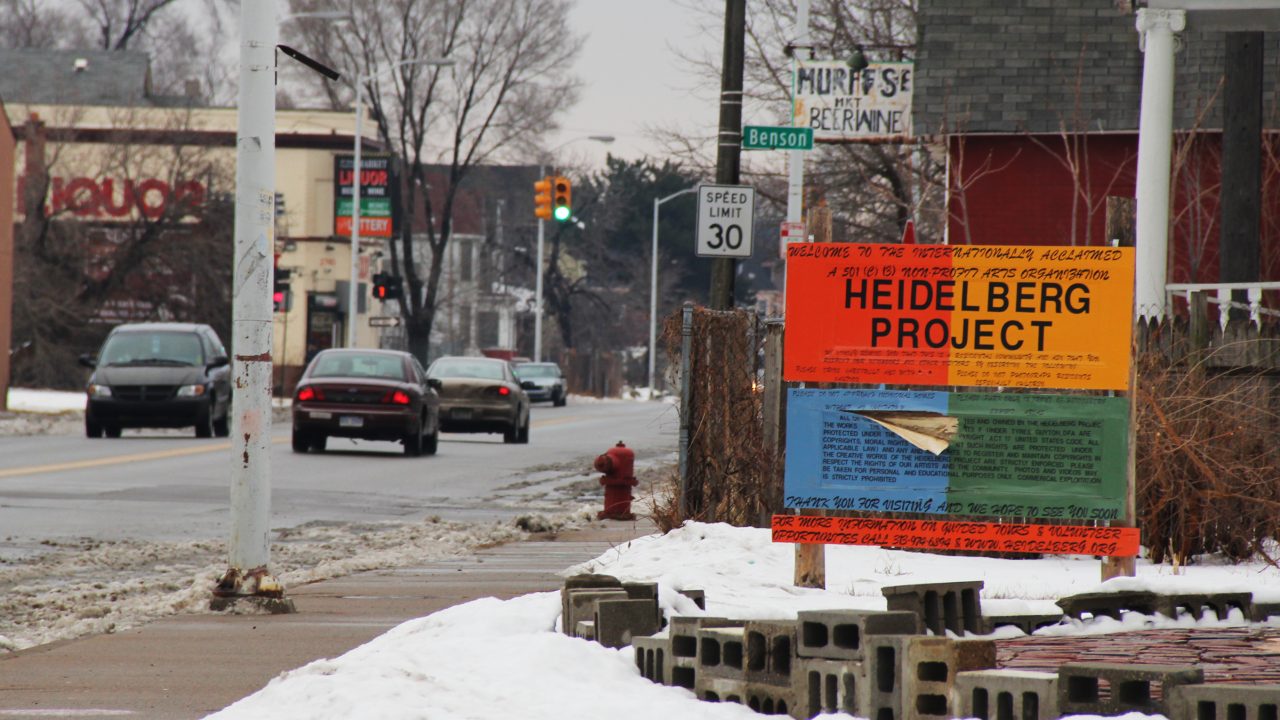
The book’s central premise, influenced by Hetletvedt’s decade in Detroit during its period of mass demolitions, questions the value of demolition when buildings, regardless of their historical designation, can serve as vital community assets. It examines diverse preservation activities, from innovative artistic uses of vacant structures to practical strategies for saving buildings in economically declining areas. The underlying argument suggests that the collective impact of reusing numerous ordinary buildings can often outweigh the sustainability gains from preserving a single, high-profile historic site.
Key facts:
| Feature | Description |
|---|---|
| Book Title | Preserving with Purpose: Reimagining Buildings for Community Benefit |
| Author | Amy Hetletvedt |
| Core Concept | Broadening historic preservation to include reuse of “non-special” buildings for community and sustainability. |
| Key Theme | Sustainable benefits of building reuse, incremental processes, and valuing stories embedded in structures, even ruins. |
The Greenest Building
A significant theme explored in “Preserving with Purpose” is the environmental advantage of building reuse. While the preservation field has increasingly adopted the mantra, “the greenest building is the one that already exists” – a phrase popularized by architect Carl Elefante – Hetletvedt expands this concept. She argues that focusing on the reuse of common, often overlooked buildings can yield a greater overall sustainability impact than exclusively concentrating on structures that meet national preservation standards. This perspective is particularly relevant for London, where retrofitting and reusing existing housing stock and commercial buildings are critical for meeting ambitious carbon reduction targets and reducing embodied carbon emissions.
Incremental and Iterative Approaches
The book highlights the value of incremental and iterative processes in building reuse. This approach, which allows for phased development and adaptation, can be crucial for making preservation projects financially viable and fostering innovation. An example cited is a Pittsburgh group that restored the exteriors of rowhomes, selling them to buyers who could then upgrade the interiors gradually, making homeownership more accessible. For London, where property values are high and large-scale redevelopments often face significant hurdles, incremental approaches could offer a more adaptable and community-sensitive model for regenerating existing neighbourhoods and providing affordable housing options. This could involve supporting smaller-scale community-led housing projects or developing flexible planning frameworks that encourage phased renovation over wholesale demolition and rebuilds.
Beyond Strict Restoration
Hetletvedt challenges the often “flashy” and strict nature of traditional historic restoration projects, which tend to dominate headlines. Instead, she provides examples that demonstrate how buildings can be repurposed for community benefit without necessarily adhering to stringent historical accuracy. This includes using buildings as art installations or creatively bracing structures to prevent collapse while long-term plans are developed. Such innovative approaches could inspire London’s planners and designers to consider more flexible and creative solutions for its vast array of historic and non-historic buildings, particularly in areas undergoing regeneration or where buildings are at risk of disuse.
The Stories Buildings Tell
Crucially, the book emphasises that buildings, even in ruin, tell important stories. Hetletvedt illustrates how the very existence of a ruin can become part of a larger narrative, serving as a physical and philosophical vantage point for understanding history. This concept extends to acknowledging the often-overlooked histories embedded in structures, such as the craftsmanship of enslaved individuals in historic American buildings. For London, a city layered with centuries of history, this approach encourages a deeper engagement with its built environment, recognising the diverse social and cultural narratives that buildings embody. It suggests that preservation should not just be about architectural style but also about safeguarding the social memory and community identity tied to places, including those that might not fit conventional heritage criteria.
Fuente: Planetizen News, “What if all buildings — and their stories — had the right to remain?” https://www.planetizen.com/blogs/137595-what-if-all-buildings-and-their-stories-had-right-remain
Fuente
Planetizen News Publicacion original: 2026-05-18T12:00:00+00:00
Related updates

New York Poll Shows Overwhelming Bipartisan Support for Apartments Near Transit, Highlighting Contrast with London’s Own Housing Debate
A new poll from Open New York finds 79% of voters support building multi-family homes near rail stations, as the governor’s race…
Read update
Seattle City Attorney Launches New Community Court and Repeat Offender Programme Amid Public Defender Concerns
Seattle City Attorney Erika Evans has launched Connection Court, a new community court programme, alongside a punitive High-Priority Repeat Offenses system. The…
Read update
Seattle’s Centers & Corridors Zoning Update Delayed by Environmental Review Ruling
A state hearings board ruling has forced Seattle to rework the environmental impact statement for its twenty-year growth plan, pushing the next…
Read update
FEMA disaster mitigation grants freeze threatens to stall UK resilience learning, planners warn
A US Government Accountability Office report says $2.2 billion in FEMA Building Resilient Infrastructure and Communities grants remain unresolved, delaying more than…
Read update