
Washington State Population Growth Slows as Seattle and Tacoma Lead Gains
New estimates show a significant deceleration in population growth across Washington state, with Seattle and Tacoma experiencing the largest numerical increases despite a broader statewide slowdown.
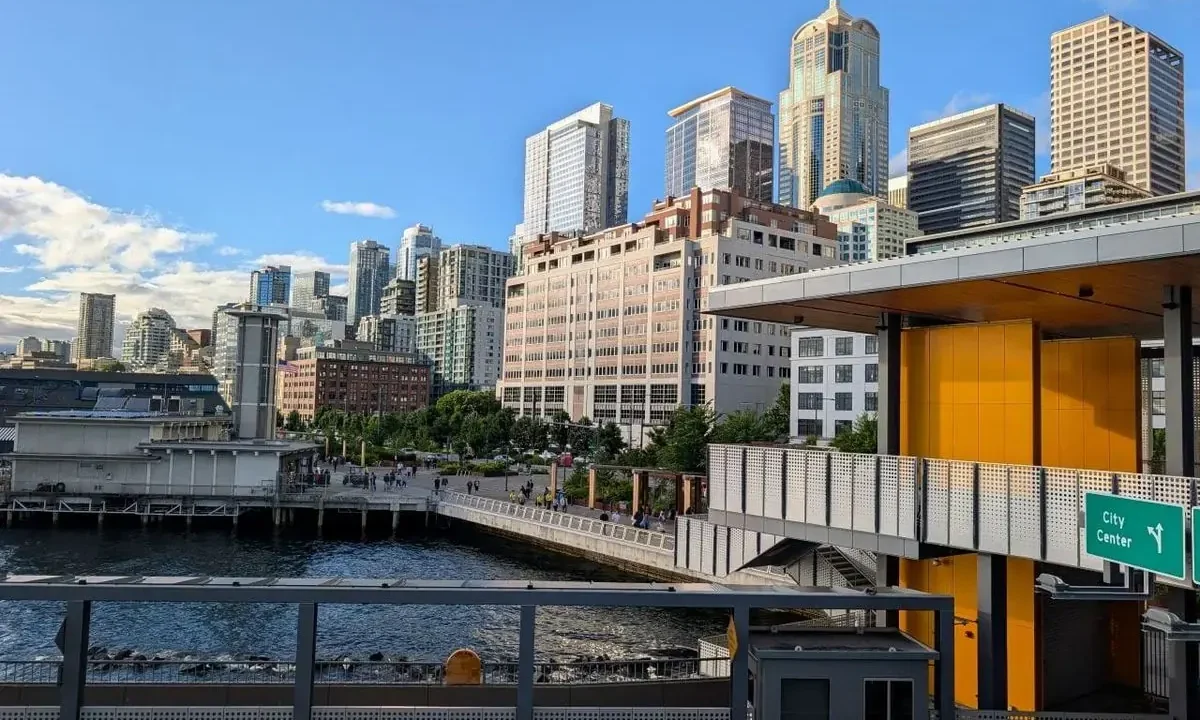
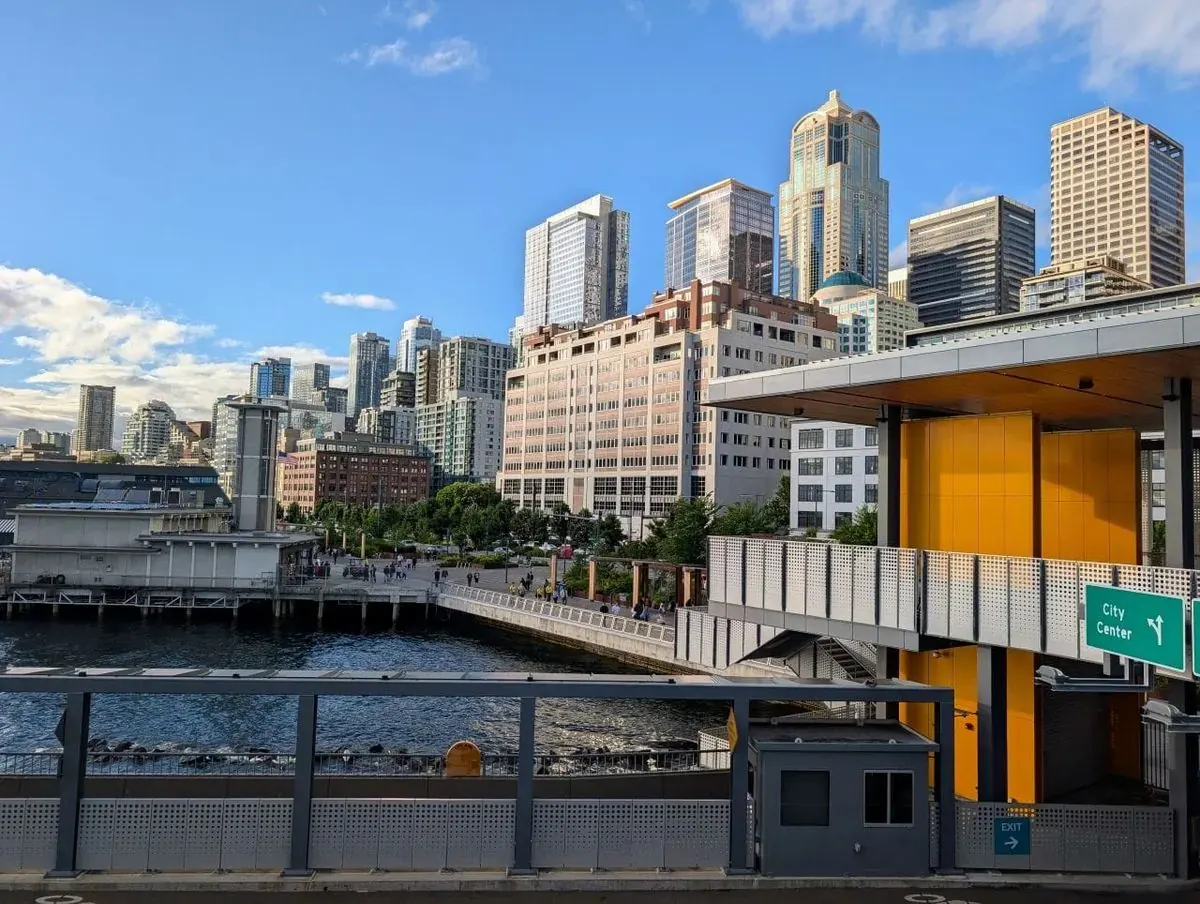
Washington state’s population growth has experienced a notable slowdown, with the latest estimates from the Washington State Office of Financial Management (OFM) indicating a significant deceleration compared to previous years. Despite this statewide trend, Seattle and Tacoma have emerged as the fastest-growing cities, registering the largest numerical increases in residents.
Seattle added an estimated 6,800 residents between April 1, 2025, and April 1, 2026, bringing its total population to 823,400. Tacoma followed with a gain of 2,600 residents, reaching a population of 231,000, representing a 1.1% growth rate. These figures place them as the top two gainers in the state for the period.
Statewide Growth Decelerates
The overall growth for Washington state was 61,200 residents, bringing the total population to 8,176,300. This represents a growth rate of 0.75%, a considerable decrease from previous years. Last year, Seattle alone added 18,000 residents, a 2.4% growth rate. This year’s 0.8% growth for Seattle is roughly a third of that pace.
The statewide slowdown in growth is primarily attributed to a decrease in net migration into Washington. The OFM reported that net migration, which encompasses both domestic and international moves, was down by 30% compared to the previous year. Net migration accounted for 72% of the state’s population increase in 2026, with the figure of 43,870 people representing a shortfall of 18,450 from the prior year.
Housing’s Role in Growth
The availability of housing is identified as a key enabler of population gains. Over the past year, the state added 41,000 housing units, though this is 7,300 fewer than the year before. A significant majority—62%—of these new units were multi-family dwellings, continuing a decade-long trend.
However, there are emerging signs of a potential slowdown in housing construction. Housing starts have been trending downwards. Seattle, in particular, has seen a dramatic drop in housing permits, with starts falling to a decade-long low of fewer than 2,000 units permitted in 2025. This represents an 88% decrease from the 2020 peak of 17,400 permitted units.
Regional Variations
While Seattle and Tacoma led the state in numerical growth, other areas experienced varied population changes. The Tri-Cities area in southeastern Washington also saw significant growth, with Pasco adding 2,570 residents, Kennewick adding 1,430, and Richland adding 1,360, placing all three among the top six gainers. Vancouver recorded the sixth-largest gain with 1,900 residents.
Seattle accounted for just over half of King County’s estimated growth of 13,000 residents, which now stands at 2,424,700.
The Eastside region, despite the full opening of the 2 Line light rail connection, experienced more tepid growth. Bellevue added 300 residents, Redmond added 940, Kirkland added 300, Issaquah added 30, and Mercer Island added 20.
Tacoma’s housing boom, spurred by its Home in Tacoma reforms and interest in middle housing options like townhomes and duplexes, alongside larger multi-family projects, appears to be a key factor in its continued population growth. These housing opportunities could position Tacoma to remain a leader in attracting new residents.
Factors Influencing Migration
The OFM report suggests that policies aimed at discouraging immigration, potentially linked to the “Trump regime,” could be influencing the decrease in migration. Economic uncertainty and inflated prices, possibly related to geopolitical events like the war with Iran, may also be dissuading families from increasing their household size or relocating.
The city that lost the most population year-over-year was Pullman, with a decrease of 520 residents.
Key facts
| Metric | Value |
|---|---|
| Washington State Population (April 1, 2026) | 8,176,300 |
| Washington State Growth Rate (2025-2026) | 75% |
| Seattle Population (April 1, 2026) | 823,400 |
| Seattle Growth (2025-2026) | 6,800 residents |
| Tacoma Population (April 1, 2026) | 231,000 |
| Tacoma Growth (2025-2026) | 2,600 residents |
| State Housing Units Added (April 2025-March 2026) | 41,000 |
| Seattle Housing Starts Permitted (2025) | < 2,000 |
The demographic shifts in Washington highlight the complex interplay between national migration policies, economic conditions, and local housing development strategies. The slowdown in growth, coupled with the diverging housing construction trends between cities like Seattle and Tacoma, presents ongoing challenges and opportunities for urban planning and development across the state.
Source: The Urbanist, https://www.theurbanist.org/seattle-tacoma-lead-as-washingtons-population-growth-cools/
Fuente
The Urbanist Publicacion original: 2026-07-01T23:01:41+00:00
Related updates
New York Poll Shows Overwhelming Bipartisan Support for Apartments Near Transit, Highlighting Contrast with London’s Own Housing Debate
A new poll from Open New York finds 79% of voters support building multi-family homes near rail stations, as the governor’s race…
Read update
Seattle City Attorney Launches New Community Court and Repeat Offender Programme Amid Public Defender Concerns
Seattle City Attorney Erika Evans has launched Connection Court, a new community court programme, alongside a punitive High-Priority Repeat Offenses system. The…
Read update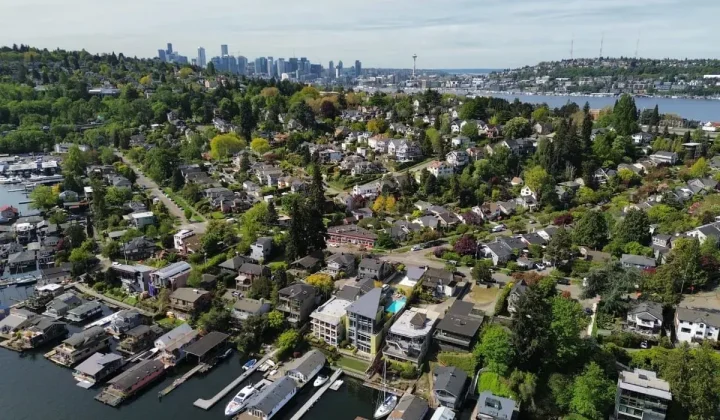
Seattle’s Centers & Corridors Zoning Update Delayed by Environmental Review Ruling
A state hearings board ruling has forced Seattle to rework the environmental impact statement for its twenty-year growth plan, pushing the next…
Read update
FEMA disaster mitigation grants freeze threatens to stall UK resilience learning, planners warn
A US Government Accountability Office report says $2.2 billion in FEMA Building Resilient Infrastructure and Communities grants remain unresolved, delaying more than…
Read update