
US Wildfires Burn Millions of Acres Ahead of Peak Season
An unusually warm winter and prolonged drought have led to a significant increase in wildfire activity across the United States, with millions of acres already burned before the traditional wildfire season has begun.
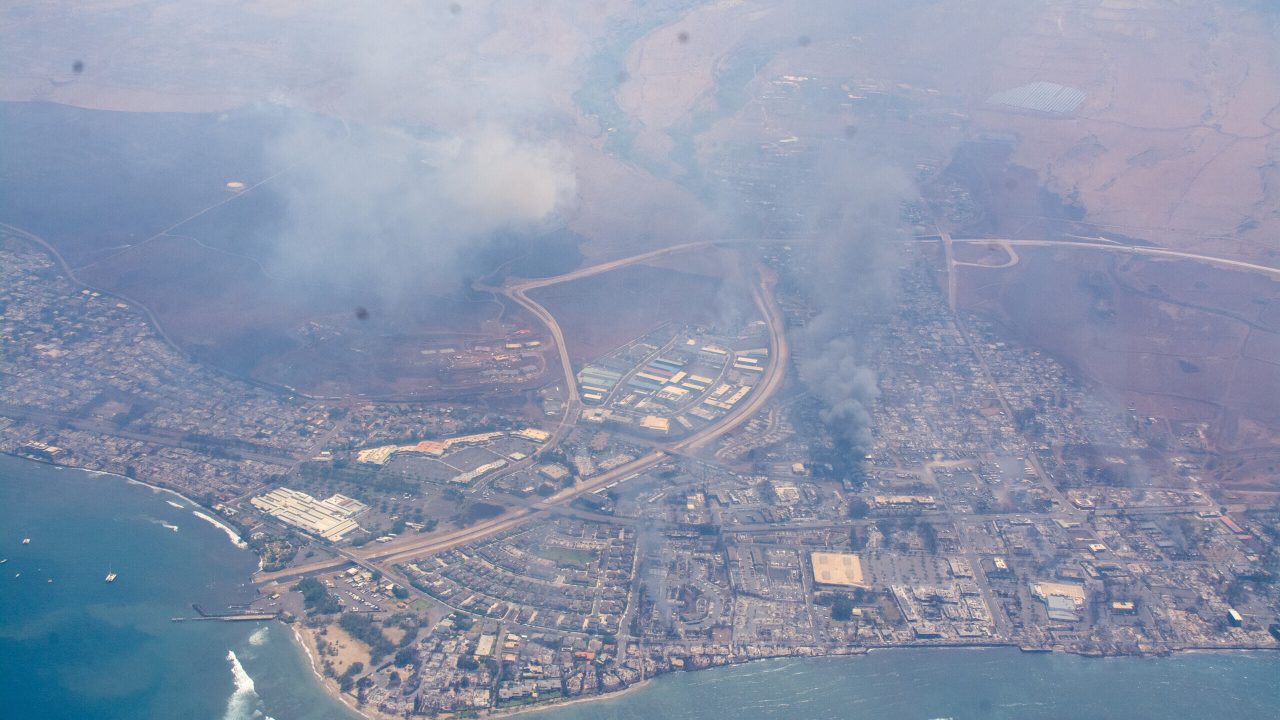
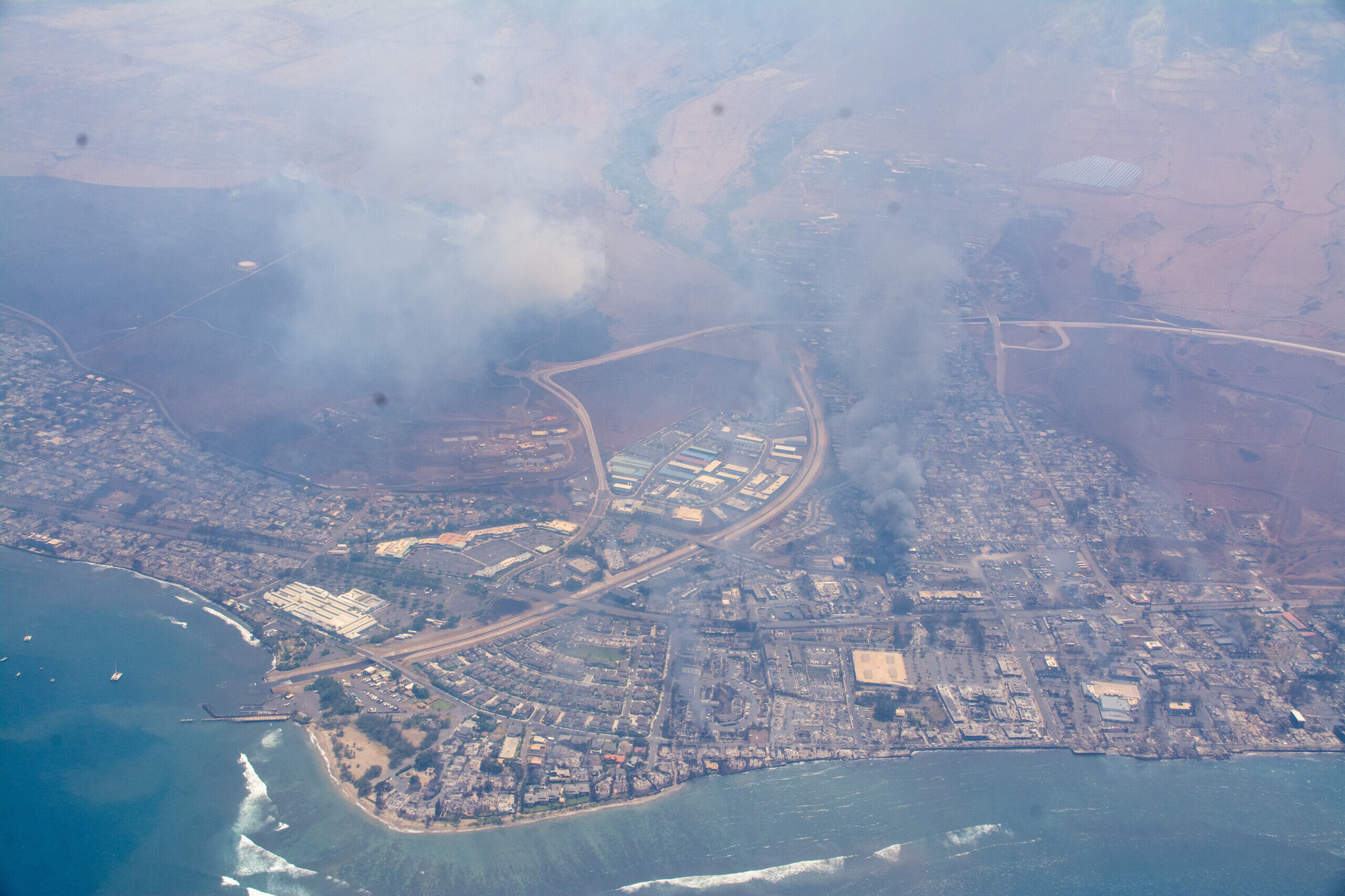
Wildfire season in the United States is off to an alarming start, with approximately 2.3 million acres already incinerated by over 29,000 fires this year. This figure, reported by Everett Sloane in Morning Overview, significantly surpasses the acreage burned at the same point last year, exceeding it by over one million acres.
The current burn total represents a stark deviation from the norm. The 10-year average for acres burned through late May typically remains below two million. Crossing this threshold before June signals a season that is not only early but also fundamentally different from recent patterns.
Contributing Factors
The early and intense wildfire activity is attributed to a confluence of environmental factors. A warmer-than-average winter coupled with increased drought conditions has created a tinderbox scenario across much of the country. While wildfires are historically concentrated in western states, this year has seen significant grassland fires erupt in Texas, Oklahoma, and Kansas, indicating a broader geographical risk.
Federal Response and Preparedness
Federal agencies, including the U.S. Forest Service and the Department of the Interior, are tasked with managing wildfire response. These agencies have expanded recruitment efforts in recent years and maintain online portals for fire hiring. However, as of the reporting, there have been no public statements from officials at the National Interagency Fire Center (NIFC) regarding 2026 staffing levels, the prepositioning of equipment, or the adequacy of budgets. This lack of public information raises questions about the preparedness for a potentially severe fire season.
Uncertainty for the Summer Ahead
While the season has started with a “hot start,” not all such seasons continue to escalate. Forecasters are monitoring the potential for an El Niño this summer, which could bring increased rainfall to some regions. Such precipitation could help mitigate fire risk in certain areas. However, the overall trend of warmer temperatures and persistent drought conditions suggests that vigilance and preparedness remain paramount.
The scale of the current fire activity, affecting millions of acres across diverse landscapes, underscores the growing challenge of wildfire management in a changing climate. The early burn figures serve as a critical indicator of the potential severity of the season and the resources required for effective response and prevention.
Key facts
| Metric | Value |
|---|---|
| Acres burned | 3 million |
| Number of fires | 29,000+ |
| Year-over-year increase | Over 1 million acres |
| Contributing factors | Warm winter, drought |
The implications of this early and extensive wildfire activity extend beyond immediate environmental damage. It impacts air quality, ecosystems, and the safety of communities. The strain on firefighting resources and the potential for long-term ecological consequences are significant concerns for land managers and policymakers. As the United States moves deeper into what is typically the peak wildfire season, the current statistics paint a concerning picture of the challenges ahead.
Source: Planetizen News (https://www.planetizen.com/news/2026/06/137762-wildfires-have-burned-23-million-acres-year-wildfire-season)
Fuente
Planetizen News Publicacion original: 2026-06-10T15:00:00+00:00
Related updates

New York Poll Shows Overwhelming Bipartisan Support for Apartments Near Transit, Highlighting Contrast with London’s Own Housing Debate
A new poll from Open New York finds 79% of voters support building multi-family homes near rail stations, as the governor’s race…
Read update
Seattle City Attorney Launches New Community Court and Repeat Offender Programme Amid Public Defender Concerns
Seattle City Attorney Erika Evans has launched Connection Court, a new community court programme, alongside a punitive High-Priority Repeat Offenses system. The…
Read update
Seattle’s Centers & Corridors Zoning Update Delayed by Environmental Review Ruling
A state hearings board ruling has forced Seattle to rework the environmental impact statement for its twenty-year growth plan, pushing the next…
Read update
FEMA disaster mitigation grants freeze threatens to stall UK resilience learning, planners warn
A US Government Accountability Office report says $2.2 billion in FEMA Building Resilient Infrastructure and Communities grants remain unresolved, delaying more than…
Read update