
US transport funding standoff offers warning for London’s infrastructure governance
A letter from US Transportation Secretary Sean Duffy signals that the Trump administration may refuse to implement any bipartisan reauthorisation deal. For London urbanists, the episode highlights the risk of executive overreach in transport funding and the importance of legally protected, multi-year settlements for Tf
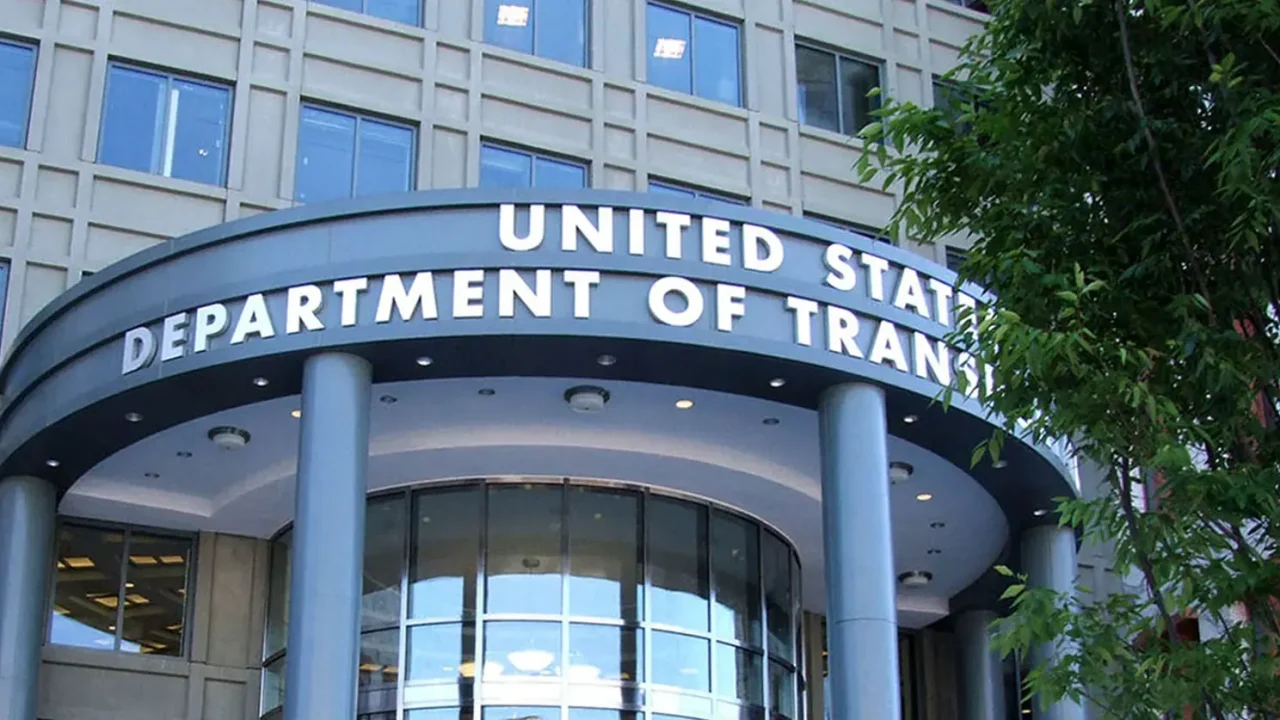
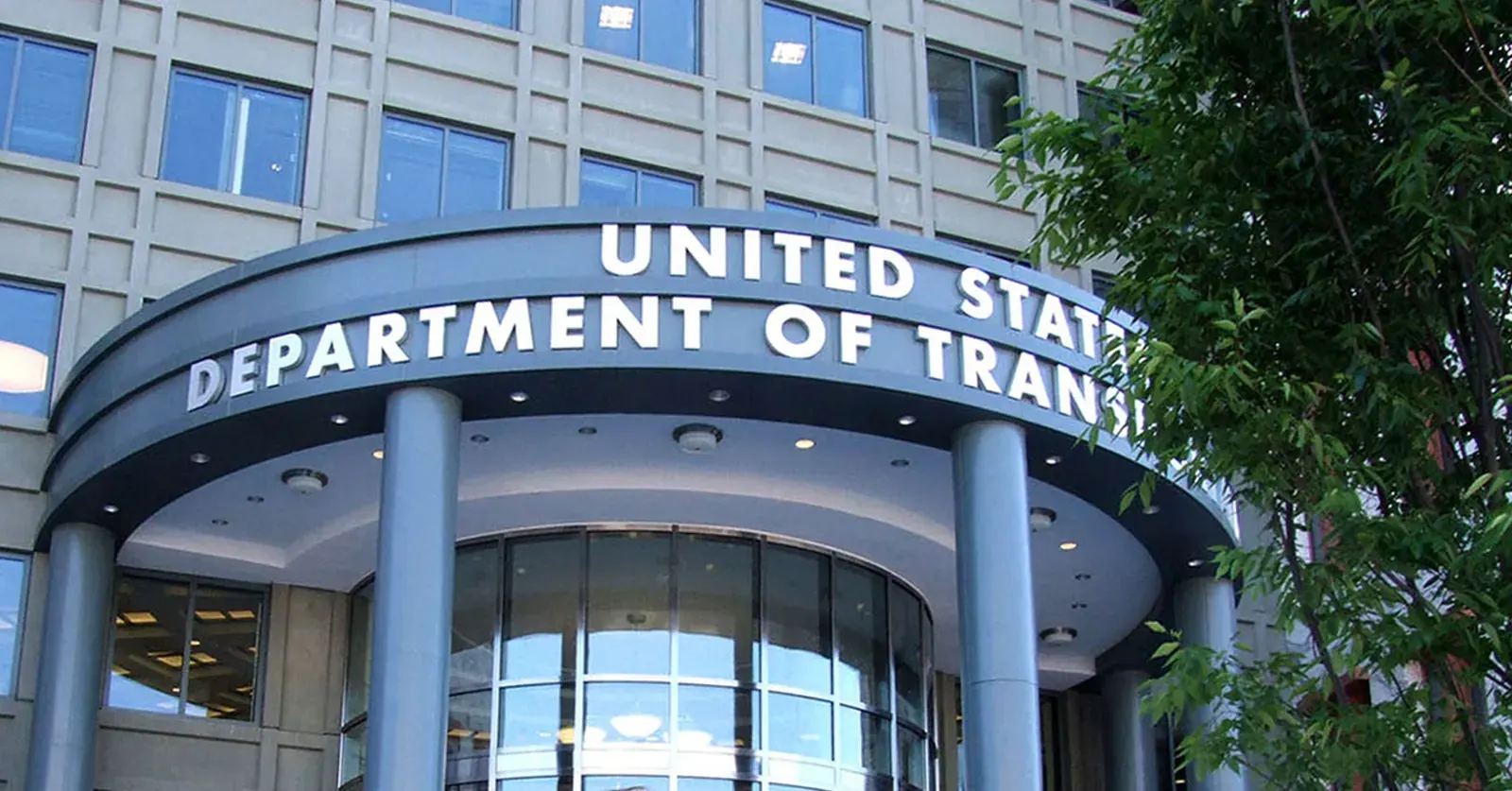
A letter from US Transportation Secretary Sean Duffy to Senate leadership has cast doubt on the viability of any future bipartisan surface transportation reauthorisation, exposing a fundamental dispute over whether the executive branch must faithfully implement laws passed by Congress. For London urbanists, the episode serves as a reminder that transport funding stability depends on institutional safeguards, not just political goodwill.
The letter, published on 27 July 2026, outlines the Trump administration’s priorities for the next reauthorisation bill. According to a detailed analysis by Transportation for America, the document signals that the US Department of Transportation (USDOT) believes it has unilateral discretion to decide how congressionally appropriated funds are spent, regardless of what the law says. “If there was any lingering confusion about the administration’s willingness to faithfully and fully implement any current or future bipartisan deal on transportation reauthorisation,” the group wrote, “Secretary Duffy’s unhinged letter should put a nail in that coffin.”
What the USDOT letter says
Secretary Duffy’s letter lists specific priorities that closely mirror actions the administration has already taken to undermine existing law. Since taking office in 2025, USDOT has withheld funding for projects and programmes it opposes, delayed the Capital Investment Grants pipeline, killed research programmes, and reinterpreted grant‑funding criteria to align with its agenda. The Safe Streets and Roads for All programme, for example, has been used to refuse funding for data‑backed safety measures such as crosswalks, bike lanes, and lane reconfigurations.
The letter makes clear that the administration views these actions as legitimate. It argues that USDOT has the authority to withhold or redirect funding even when Congress has explicitly appropriated money for specific purposes. Transportation for America notes that several courts have already ruled that withholding congressionally appropriated funding is illegal, yet the administration continues to do so.
How the administration has undermined existing law
The Infrastructure Investment and Jobs Act (IIJA), passed with bipartisan support in 2021, set funding levels, policies, and priorities for surface transportation until 2026. Under the constitutional separation of powers, Congress sets long‑term transportation policy, and USDOT is meant to implement the law as written, including issuing regulations and managing grant programmes.
Since 2025, USDOT has repeatedly violated that principle. It has frozen transit capital projects, rescinded past grants, and rewrote grant criteria to favour projects that align with its political agenda. The administration’s track record, now reinforced by the letter, suggests that even if Congress negotiates a new bipartisan deal, there is no guarantee that USDOT will implement it faithfully.
“The Executive Branch’s audacity to intervene in this way signifies that we have reached the end of the premise of surface transportation reauthorisation as we know it,” Transportation for America wrote. The group argues that Congress should extend the IIJA for a year to keep funding flowing, and should not negotiate a long‑term bill until past rescissions are restored, frozen projects are restarted, and “ironclad protections” are put in place to ensure faithful implementation.
What this means for Congress
The question facing US lawmakers is whether to strike a deal that the administration might ignore, or to wait for proof that USDOT will abide by the law. The letter suggests that the administration will continue to treat bipartisan grant programmes as optional. Transportation for America warns that without assurance that the law will be followed, “the bipartisan legacy of transportation is dead, and USDOT will have killed it.”
The standoff has implications beyond the United States. Transport funding in the UK, and particularly for London, operates under a different legal framework, but the principle of executive discretion versus legislative instruction is universal. TfL’s funding settlement from the Department for Transport is negotiated periodically, and the agency has faced repeated short‑term extensions, budget cuts, and political interference. The US case shows what can happen when an executive branch decides that it does not need to respect the letter of the law.
London relevance: funding stability and governance
TfL’s financial model relies on a mix of fare revenue, government grants, and borrowing. The 2023 funding settlement, which runs until 2027, provided some stability, but the agency has warned that capital investment remains underfunded. The US experience underscores the risk that a future UK government could similarly reinterpret or withhold funding for transport projects that do not align with its political priorities, even if Parliament has approved them.
London’s transport governance also includes the role of the Mayor of London and the GLA, which have statutory responsibilities for strategic transport planning. However, TfL remains dependent on central government for capital grants and borrowing approvals. The US episode suggests that legal protections alone may not be enough if the executive branch is determined to ignore them.
For urbanists, the lesson is that transport funding stability requires not only multi‑year settlements but also strong institutional safeguards, transparency, and independent oversight. The UK’s system of ring‑fenced funding for major projects, such as the Elizabeth line, has generally worked, but the current political climate in both the US and UK highlights the fragility of cross‑party infrastructure commitments.
Key facts
| Aspect | US situation | UK/London parallel |
|---|---|---|
| Legal framework | Congress appropriates; USDOT implements | Parliament allocates; DfT/TfL implement |
| Recent executive overreach | Withholding IIJA funds, rewriting grant criteria | Repeated short‑term TfL funding extensions, capital project delays |
| Current risk | Bipartisan reauthorisation deal may be ignored | Future government may reinterpret TfL funding commitments |
| Recommended safeguard | Ironclad implementation protections in legislation | Multi‑year settlements with legal ring‑fencing |
The US standoff is far from resolved. Congress is debating whether to extend the IIJA for a year while demanding that the administration restore rescinded grants and restart frozen projects. Until that happens, the question of whether a bipartisan transport deal can survive executive discretion remains open.
Source: This analysis draws on a report by Transportation for America, “USDOT letter shows it will likely undermine any bipartisan reauthorisation deal,” published 27 July 2026. Available at: https://t4america.org/2026/07/27/usdot-letter-shows-it-will-likely-undermine-any-bipartisan-reauthorization-deal/
Fuente
Transportation for America Publicacion original: 2026-07-27T19:24:52+00:00
Related updates

New York Poll Shows Overwhelming Bipartisan Support for Apartments Near Transit, Highlighting Contrast with London’s Own Housing Debate
A new poll from Open New York finds 79% of voters support building multi-family homes near rail stations, as the governor’s race…
Read update
Seattle City Attorney Launches New Community Court and Repeat Offender Programme Amid Public Defender Concerns
Seattle City Attorney Erika Evans has launched Connection Court, a new community court programme, alongside a punitive High-Priority Repeat Offenses system. The…
Read update
Seattle’s Centers & Corridors Zoning Update Delayed by Environmental Review Ruling
A state hearings board ruling has forced Seattle to rework the environmental impact statement for its twenty-year growth plan, pushing the next…
Read update
FEMA disaster mitigation grants freeze threatens to stall UK resilience learning, planners warn
A US Government Accountability Office report says $2.2 billion in FEMA Building Resilient Infrastructure and Communities grants remain unresolved, delaying more than…
Read update