
Summer Reading List Offers Urban Planning Insights from Housing to Parking
A curated selection of books delves into critical urban planning issues, from affordable housing and transportation to the pervasive influence of parking policies and the complex dynamics of gentrification.
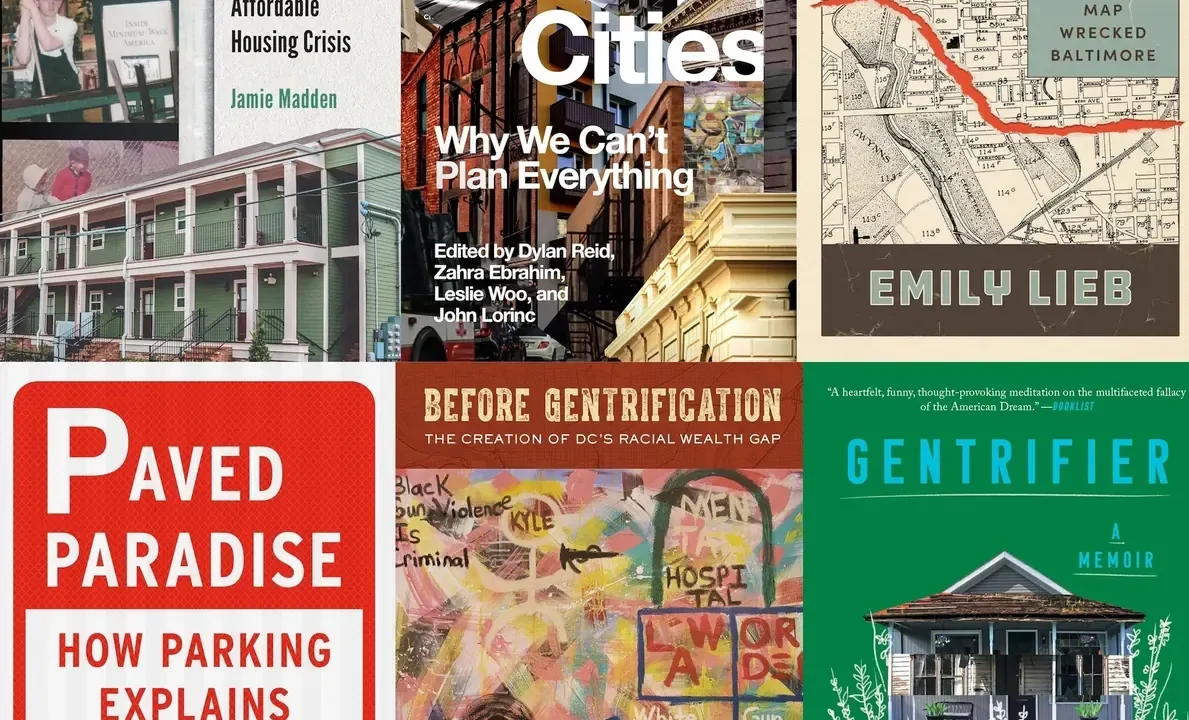
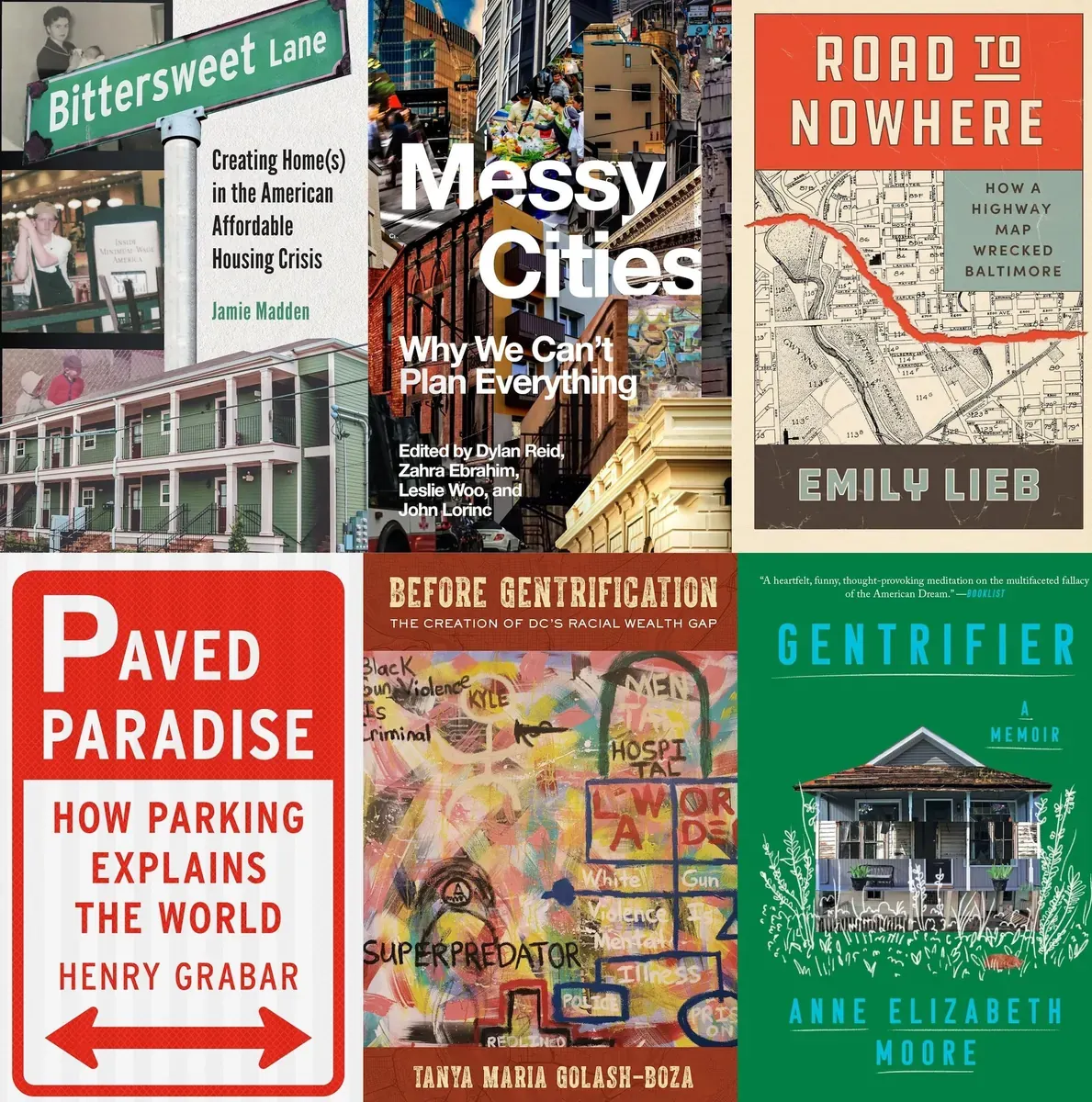
As summer approaches, urban planning professionals and enthusiasts have a wealth of new literature to explore, offering fresh perspectives on the challenges and opportunities facing cities today. A recent compilation highlights ten essential reads that cover a broad spectrum of urbanism, from the intricacies of affordable housing and the complexities of transportation to the often-overlooked impact of parking and the profound societal shifts brought about by gentrification.
The selection, curated by Planetizen News, aims to provide readers with thought-provoking insights, whether they are on holiday or engaging in a staycation. The books delve into both policy-driven outcomes and personal experiences, encouraging a deeper understanding of how urban environments are shaped and how they, in turn, shape the lives of their inhabitants.
Challenges in Urban Policy and Planning
“Road to Nowhere” by Emily Lieb examines how seemingly technical or neutral policy choices can lead to significant urban damage. Lieb traces the history of Baltimore’s ill-fated highway project, illustrating how the proposed route, even without construction, inflicted deep wounds on the Black middle-class neighborhood of Rosemont. The book highlights how plans and expectations, even when unfulfilled, can have tangible negative consequences on communities, affecting mortgages, property values, and neighborhood stability. This serves as a stark reminder for planners, engineers, and civic leaders about the far-reaching impact of their decisions.
In “Messy Cities: Why We Can’t Plan Everything,” Zahra Ebrahim, Dylan Reid, John Lorinc, and Leslie Woo challenge conventional notions of urban order. Through a series of essays, the book explores the concept of “messiness” in urban environments as a source of inclusivity and connection, rather than chaos. Drawing on examples from cities like Toronto, Mexico City, and Tokyo, the editors present diverse viewpoints, giving voice to perspectives often absent in traditional urban design discourse.
Affordable Housing and Community
Jamie Madden’s “Bittersweet Lane: Creating Home(s) in the American Affordable Housing Crisis” offers a unique dual perspective, blending memoir with an educational guide. Madden, who grew up in affordable housing and now works in its development, bridges the gap between resident needs and developer realities. The book emphasizes the critical importance of understanding the “chain of consequences” for every planning and design decision, from the practicalities of building amenities to navigating complex certification processes. Madden also reflects on the teachings of his late mentor, MIT Professor Tunney Lee, who viewed planning as a reactionary force. He argues for the necessity of acknowledging a place’s history, including who lived there and why they left, to create truly impactful housing solutions.
“Gentrifier” by Anne Elizabeth Moore provides a personal narrative of the gentrification process. Moore recounts her experience after winning a “free house” in Detroit, detailing the ethical dilemmas, institutional failures, and human costs associated with housing policies. The memoir underscores that urban planning is not solely about abstract policies but about the lived realities of individuals. Moore’s story prompts critical reflection on who truly benefits from urban “revitalization” and whose voices are marginalized, offering a crucial perspective as cities grapple with housing crises.
The Pervasive Influence of Parking
Henry Grabar’s “Paved Paradise: How Parking Explains the World” reveals the profound and often underestimated role of parking in shaping urban life. Grabar demonstrates how policies designed for car storage have influenced housing development, public transportation, municipal budgets, public safety, climate resilience, and even building regulations. The book traces the evolution of parking policies from early street management to mid-century mandates, showing how they affect everyday urban experiences, including traffic congestion, local taxes, business vitality, and neighborhood walkability. Grabar’s engaging narrative connects seemingly mundane parking garages to wider issues, including organized crime, making the topic unexpectedly fascinating.
Understanding Displacement and Wealth Gaps
Tanya Maria Golash-Boza’s “Before Gentrification: The Creation of DC’s Racial Wealth Gap” challenges the notion that the racial wealth gap in Washington D.C. is primarily due to a lack of homeownership among Black families. Golash-Boza’s research highlights systemic disinvestment in Black neighborhoods following the departure of white residents as a more critical factor. The book meticulously details how this disinvestment, coupled with federal policies, has perpetuated racial wealth disparities. Drawing on personal connections to the city, Golash-Boza offers a nuanced understanding of how historical inequities continue to shape the nation’s capital, illustrating the generational impact of these policies.
Reflections on Public Spaces
Alexandra Lange’s “Meet Me by the Fountain: An Inside History of the Mall” explores the evolution of the shopping mall as both a physical structure and a cultural phenomenon. The book offers an unexpected lens through which to consider community design. Lange traces the mall’s origins, including its linguistic connection to the 18th-century London game “Pall Mall,” and its transformation into a mid-century American archetype. This nostalgic examination provides insights into how public and semi-public spaces have been conceived and utilized throughout different eras.
Key facts
| Book Title | Author(s) | Core Topic(s) |
|---|---|---|
| Road to Nowhere | Emily Lieb | Infrastructure, policy impact, racial equity |
| Messy Cities: Why We Can’t Plan Everything | Zahra Ebrahim, Dylan Reid, John Lorinc, Leslie Woo | Urban complexity, inclusivity, diverse perspectives |
| Bittersweet Lane: Creating Home(s) | Jamie Madden | Affordable housing, resident needs, developer realities |
| Paved Paradise: How Parking Explains the World | Henry Grabar | Parking policy, urban form, city systems |
| Before Gentrification: The Creation of DC’s Racial Wealth Gap | Tanya Maria Golash-Boza | Gentrification, racial wealth gap, systemic disinvestment |
| Gentrifier | Anne Elizabeth Moore | Gentrification, housing policy, human cost |
| Meet Me by the Fountain | Alexandra Lange | Malls, public space, cultural history |
These recommended reads collectively address critical aspects of urban planning, emphasizing the interconnectedness of housing, transportation, economic policy, and social equity. They encourage readers to look beyond the surface of urban development and consider the historical context, policy implications, and human experiences that shape our cities.
Source: Planetizen News, https://www.planetizen.com/features/137790-10-great-urban-planning-summer-reads
Fuente
Planetizen News Publicacion original: 2026-06-12T12:00:00+00:00
Related updates
New York Poll Shows Overwhelming Bipartisan Support for Apartments Near Transit, Highlighting Contrast with London’s Own Housing Debate
A new poll from Open New York finds 79% of voters support building multi-family homes near rail stations, as the governor’s race…
Read update
Seattle City Attorney Launches New Community Court and Repeat Offender Programme Amid Public Defender Concerns
Seattle City Attorney Erika Evans has launched Connection Court, a new community court programme, alongside a punitive High-Priority Repeat Offenses system. The…
Read update
Seattle’s Centers & Corridors Zoning Update Delayed by Environmental Review Ruling
A state hearings board ruling has forced Seattle to rework the environmental impact statement for its twenty-year growth plan, pushing the next…
Read update
FEMA disaster mitigation grants freeze threatens to stall UK resilience learning, planners warn
A US Government Accountability Office report says $2.2 billion in FEMA Building Resilient Infrastructure and Communities grants remain unresolved, delaying more than…
Read update