
Seattle Advances Zoning Package to Encourage Towers, Mass Timber, and Passive House Construction
A package of targeted zoning changes, the Housing Opportunities Program (HOP), is moving through Seattle City Council, aiming to stimulate the construction of towers, affordable housing, and eco-friendly buildings.
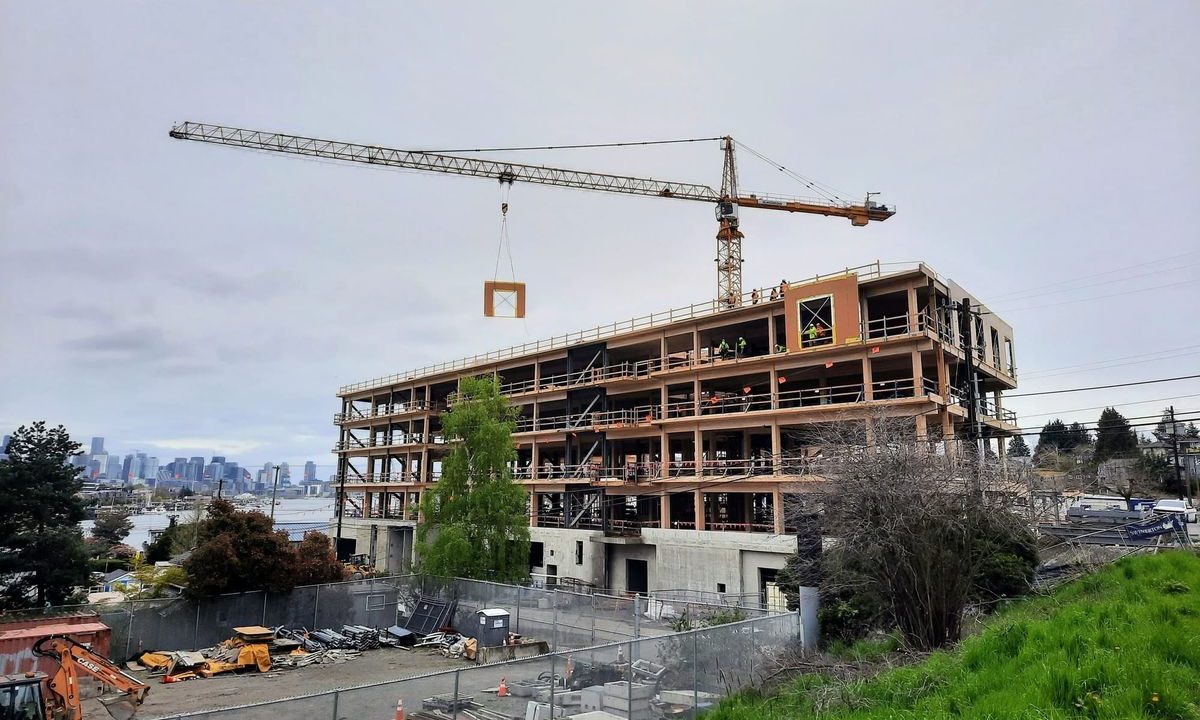
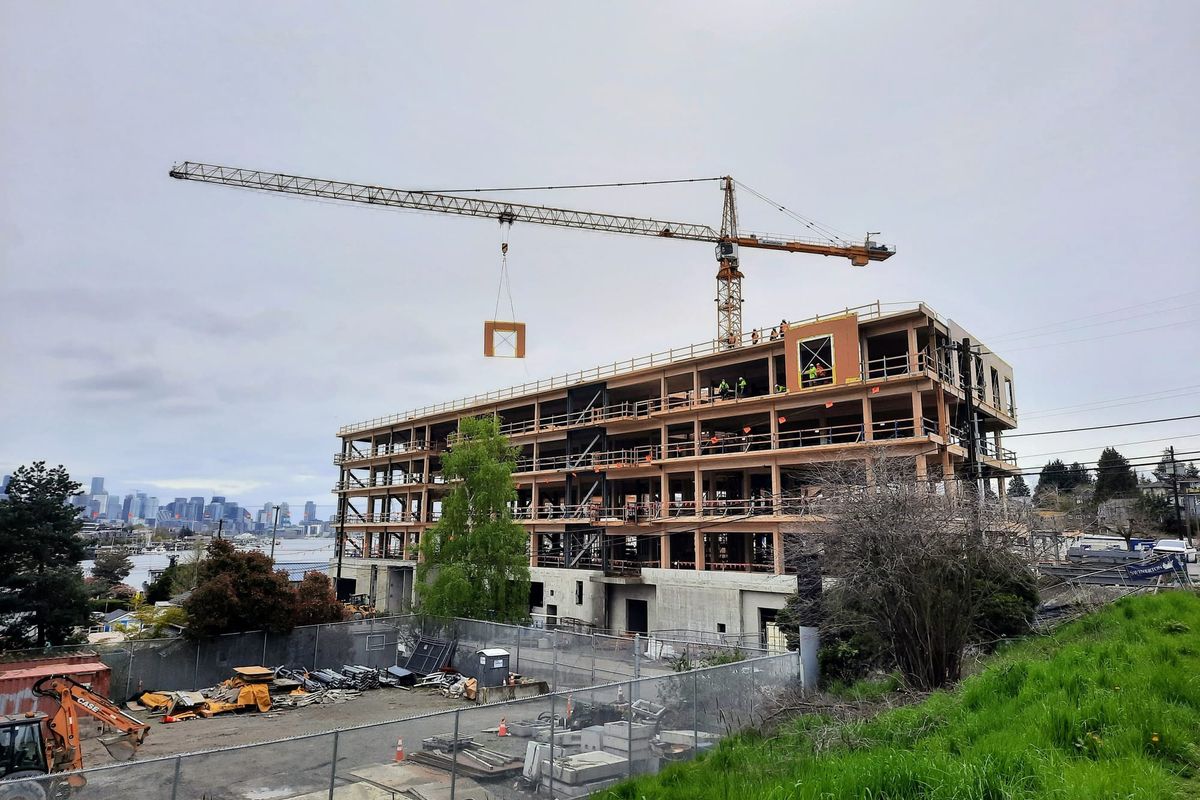
Seattle is poised to implement a significant zoning reform package, known as the Housing Opportunities Program (HOP), aimed at accelerating the delivery of housing, particularly in targeted areas already zoned for dense, mixed-use development. The proposal cleared the Land Use Committee last week with a unanimous 4-0 vote and is now headed to the full City Council for consideration on June 2.
The HOP initiative seeks to provide an additional incentive for developers to build in specific zones, addressing concerns about a slowdown in housing starts and potential rent increases. Beyond offering increased height and density allowances, the program includes a provision for a “safe harbor” from certain appeals under the State Environmental Policy Act (SEPA). This measure is intended to streamline the development process and encourage projects to move forward more swiftly.
Targeted Areas for Rezoning
The proposed rezonings under the Housing Opportunities Program are focused on specific portions of several Seattle neighborhoods, including the University District, Fremont, Madison/Miller, Rainier Beach, and Downtown. These areas have been identified as suitable for increased housing density, with existing surrounding blocks already accommodating midrise apartment or office complexes.
Maps detailing the proposed rezonings within the Housing Opportunities Program have been made available by the City of Seattle. The program’s strategic placement in these areas aims to leverage existing infrastructure and amenities while addressing housing needs.
Incorporating State Mandates
The Housing Opportunities Program also serves as an early implementation vehicle for a state mandate scheduled to take effect in 2028. House Bill 1183, passed in 2025, aims to promote mass timber, passive house, and modular construction by exempting such projects from specific setback and façade modulation requirements. These requirements can be challenging to reconcile with the design principles and high energy efficiency standards associated with these modern building methods. Affordable housing projects will also receive exemptions from these required setbacks and modulation rules.
Market and Community Perspectives
Land use attorney Ian Morrison highlighted the strategic selection of the targeted areas, noting that industrial zoning in some locations, like the Stone Way area, has hindered denser development despite the conversion of adjacent blocks to residential and commercial use. Morrison expressed support for the bill’s amalgamation of ideas, including upzones for targeted areas and support for non-profit housing partners.
Housing advocate Kyler Parris, speaking on behalf of himself, emphasized the critical need for housing relief for renters. He pointed to a standstill in housing starts and permitting, predicting a significant rise in rents over the next two to three years if no action is taken. Parris also lauded the incentives for passive house, mass timber, and modular construction, describing them as “gorgeous” and “the future” of housing, and believing these incentives will make such desirable homes more likely to be built.
Opposition and Concerns
Despite the potential benefits, a number of residents voiced opposition to HOP during the committee meeting. Concerns were raised regarding the process, with homeowners like Susan Fedore arguing that the program bypasses the mayor’s Comprehensive Plan process and lacks sufficient community input, racial equity analysis, tree canopy protections, and concrete affordability or anti-displacement requirements. These residents advocate for a more thorough engagement process with direct outreach and impact assessments before any vote.
Jennifer Godfrey echoed these sentiments, calling for an effective engagement process with documented outreach, particularly as some provisions aim to reduce environmental review and appeals. She stressed the importance of equity and environmental protection in Seattle’s development plans.
Council’s Support and Future Amendments
Councilmember Alexis Mercedes Rinck, a co-sponsor of the bill, expressed enthusiasm for the legislation, stating it is “both needed and very exciting.” She believes HOP will facilitate the bringing online of numerous projects, including affordable housing, while supporting sustainable building practices. Rinck indicated she is considering amendments to further expand the bill’s scope, including broadening the definition of affordable housing to align with state law and incorporate city-specific definitions like social housing. However, she noted that current state environmental policy law presented procedural hurdles to introducing these amendments at the committee stage.
Key facts
| Feature | Details |
|—|—|
| Program Name | Housing Opportunities Program (HOP) |
| Purpose | Spur construction of towers, affordable housing, and eco-friendly buildings |
| Key Incentives | Increased height/density, SEPA appeal safe harbor, mass timber/passive house exemptions |
| Targeted Areas | University District, Fremont, Madison/Miller, Rainier Beach, Downtown (portions) |
| Status | Advanced by Land Use Committee, awaiting full City Council vote |
The Housing Opportunities Program represents a significant effort by Seattle to address its housing challenges through targeted zoning reforms. By encouraging increased density, supporting sustainable building technologies, and potentially streamlining the approval process, the city aims to foster a more dynamic housing market. The program’s success will likely depend on its ability to balance development goals with community concerns regarding equity, environmental impact, and neighborhood character.
Fuente: The Urbanist, https://www.theurbanist.org/seattle-advances-zoning-package-spurring-towers-mass-timber-and-passive-house/
Datos clave
| Punto | Detalle |
|---|---|
| Fuente | The Urbanist |
| Fecha | 2026-05-26T22:41:17+00:00 |
| Tema | Seattle Advances Zoning Package Spurring Towers, Mass Timber, and Passive House |
Fuente
The Urbanist Publicacion original: 2026-05-26T22:41:17+00:00
Related updates
New York Poll Shows Overwhelming Bipartisan Support for Apartments Near Transit, Highlighting Contrast with London’s Own Housing Debate
A new poll from Open New York finds 79% of voters support building multi-family homes near rail stations, as the governor’s race…
Read update
Seattle City Attorney Launches New Community Court and Repeat Offender Programme Amid Public Defender Concerns
Seattle City Attorney Erika Evans has launched Connection Court, a new community court programme, alongside a punitive High-Priority Repeat Offenses system. The…
Read update
Seattle’s Centers & Corridors Zoning Update Delayed by Environmental Review Ruling
A state hearings board ruling has forced Seattle to rework the environmental impact statement for its twenty-year growth plan, pushing the next…
Read update
FEMA disaster mitigation grants freeze threatens to stall UK resilience learning, planners warn
A US Government Accountability Office report says $2.2 billion in FEMA Building Resilient Infrastructure and Communities grants remain unresolved, delaying more than…
Read updateWiki relacionada

Urban Planning Terms: Density, Public Realm and Transit-Oriented Development
A living glossary for terms that appear again and again in planning and development stories.
Read update