
Seattle’s World Cup Success Highlights Urban Planning Wins
A recent analysis of FIFA World Cup 2026 host cities has placed Seattle at the top, praising its integrated stadium, public transport access, and proximity to urban attractions. The success offers lessons for other cities, including London, on how urban planning can enhance major event hosting.
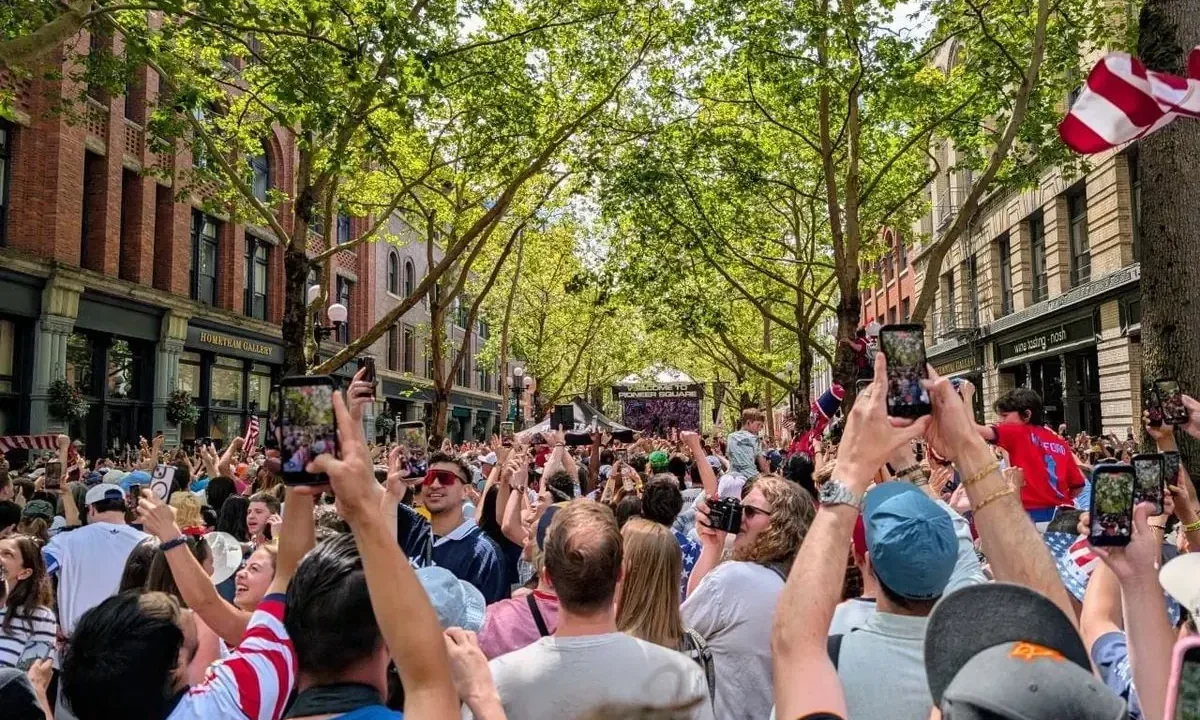
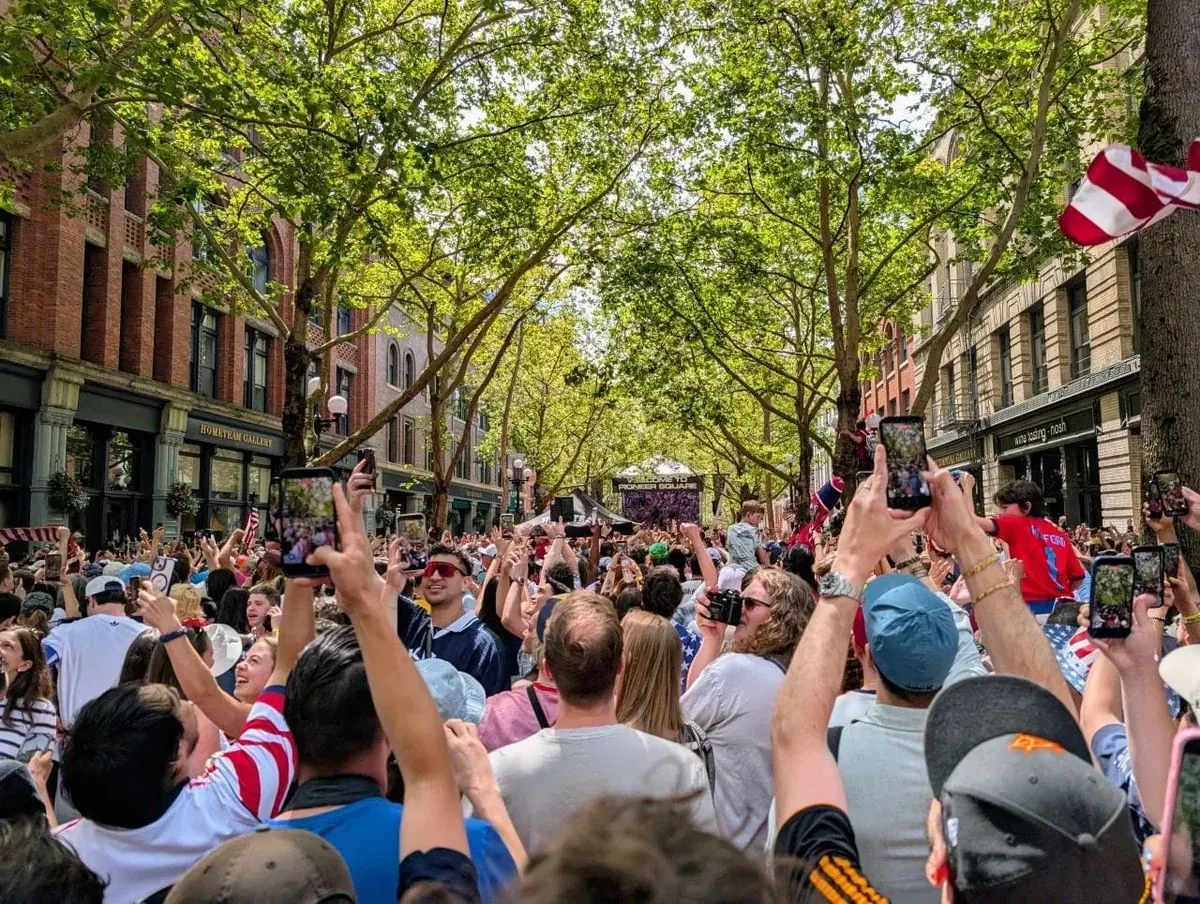
Seattle has emerged as a standout host city for the FIFA Men’s World Cup 2026, with national publications like The Athletic and Sports Illustrated ranking it highly for its stadium experience and urban integration. This success is attributed to a deliberate approach to urban planning that prioritises accessibility, public transport, and proximity to city attractions, providing a stark contrast to many other US host cities where stadiums are often isolated in suburban areas.
Urban Integration
Unlike many of its US counterparts, Seattle’s Lumen Field is situated within walking distance of the downtown core and is well-served by public transit. This urban setting, adjacent to T-Mobile Park, the home of the MLB’s Seattle Mariners, creates a vibrant stadium district that encourages fans to congregate and explore before and after matches. The proximity to established urban attractions such as the Space Needle and Pike Place Market further enhances the visitor experience.
Seattle’s organising committee highlighted these strengths at a press event, emphasising the years of planning and strong partnerships that led to the city’s positive reception from fans, players, and international media. Mayor Katie Wilson noted the palpable energy and sense of joy that spread across the city, extending beyond a single central location.
Fan Engagement and City-Wide Impact
Seattle’s strategy involved establishing multiple official fan celebration sites across different neighbourhoods, including Pioneer Square, Seattle Center, Waterfront Park, and SoDo’s Victory Hall. A match-day shuttle system connected these locations, encouraging exploration of various parts of the city and supporting local businesses. King County Executive Girmay Zahilay confirmed this impact extended throughout the county, with events like the “Gather for Goals” watch party in White Center drawing significant crowds and boosting local commerce.
This approach contrasts sharply with cities where stadiums are “marooned out in distant suburbs hemmed in by highways and parking lots.” The article points to the 49ers’ stadium in Santa Clara, 40 miles from San Francisco, as an example of a facility that is an isolated side trip rather than an integrated part of the urban fabric.
Benefits of Urban Stadium Location
In Seattle, fans leaving the stadium district can easily access historic neighbourhoods like Pioneer Square and the Chinatown-International District, known for their diverse culinary offerings. The revitalised Seattle Waterfront, significantly upgraded after the demolition of the Alaskan Way Viaduct, offers a major public space that connects to Pike Place Market, a renowned tourist attraction and local hub. This seamless integration of the stadium with the city’s existing attractions and public realm is a key factor in its success.
Peter Tomozawa, CEO of SeattleFWC26, noted that Lumen Field’s urban location also facilitates pre-game marches, citing the record-breaking march for the USA-Australia match. He contrasted this with other cities where marches might take place through parking lots, lacking the “authenticity” of marching through a functioning city. Friends of Waterfront Park Board Co-Chair Hewan Teshome added that the investment in Waterfront Park was envisioned as “Seattle’s front porch,” a place for both everyday gatherings and defining city moments. The Juneteenth celebration, which saw 85,000 people gather, exemplified this vision.
Contrast with New Jersey
The article also contrasts Seattle’s approach with the chosen venue for the World Cup final in New Jersey. MetLife Stadium, despite its proximity to New York City, has been criticised for limited and overpriced public transit options and a lack of walkable attractions. Sports Illustrated described the Meadowlands location as a “nightmare to get to,” with overcrowded trains and expensive tickets. The Athletic labelled the venue as an area visited “for the game and nothing else.”
Lessons for London
While this article focuses on Seattle, the principles it highlights have direct relevance for London. As a global city constantly seeking to enhance its public spaces and transport infrastructure, London can draw lessons from Seattle’s success in integrating major event venues within the urban fabric. The emphasis on public transport, pedestrian access, and the activation of surrounding areas as part of the event experience are critical considerations for future developments in London, whether for sporting events, cultural festivals, or other large-scale gatherings.
The success of Waterfront Park in Seattle, transformed from the site of a former viaduct into a vibrant public space, also offers a parallel to London’s own ongoing efforts to improve its riverfront and public realm. The ability to create multi-functional public spaces that can accommodate both daily use and major events is a testament to thoughtful urban planning.
Key facts
| Aspect | Seattle’s Approach | Contrast Example (New Jersey) |
|---|---|---|
| Stadium Location | Urban core, walkable to downtown and attractions | Suburban, isolated, limited public transport |
| Public Transport | Well-integrated, accessible | Overcrowded trains, expensive tickets |
| Surrounding Area | Vibrant district with shops, restaurants, parks | Primarily a destination for the event itself |
| Fan Experience | Integrated with city exploration | Primarily confined to the stadium and its grounds |
The article demonstrates that the success of hosting major international events is not solely dependent on the stadium itself, but on the broader urban context. Seattle’s win is a testament to how strategic urban planning, investment in public transport, and the creation of accessible public spaces can elevate the experience for both residents and visitors, turning a sporting event into a city-wide celebration and leaving a lasting positive impact.
Source: The Urbanist, https://www.theurbanist.org/seattle-is-winning-at-hosting-the-world-cup/
Fuente
The Urbanist Publicacion original: 2026-07-01T14:00:57+00:00
Related updates

Seattle-Area Race Highlights Diverging Approaches to Housing, Transit and Tech Taxation
A Washington State legislative race in the 32nd District pits incrementalism against urgency on housing supply, transit funding and tech regulation, with…
Read update
New York court ruling on sanctuary policies carries implications for city-level immigration enforcement across the US
A federal judge has dismissed the Trump administration’s attempt to override New York City’s restrictions on immigration enforcement cooperation, citing state sovereignty.…
Read update
Automated license plate readers raise privacy, contract and oversight questions for UK cities
A new US-focused analysis of automated license plate recognition cameras highlights contract, privacy and oversight issues that London boroughs and Transport for…
Read update
Oregon’s “fix it first” dilemma: what London’s transport planners can learn from a revolt against megaprojects
Surveys show Oregonians overwhelmingly want existing roads repaired before new megaprojects are funded, and trust in the state’s transport agency has collapsed.…
Read updateWiki relacionada

Urban Planning Terms: Density, Public Realm and Transit-Oriented Development
A living glossary for terms that appear again and again in planning and development stories.
Read update