
Seattle’s Push for Car-Free Streets Faces Hurdles
An opinion piece from The Urbanist argues that Seattle needs to move beyond half-measures and truly reclaim streets for people, highlighting recent policy shifts and ongoing challenges in its quest for car-free spaces.
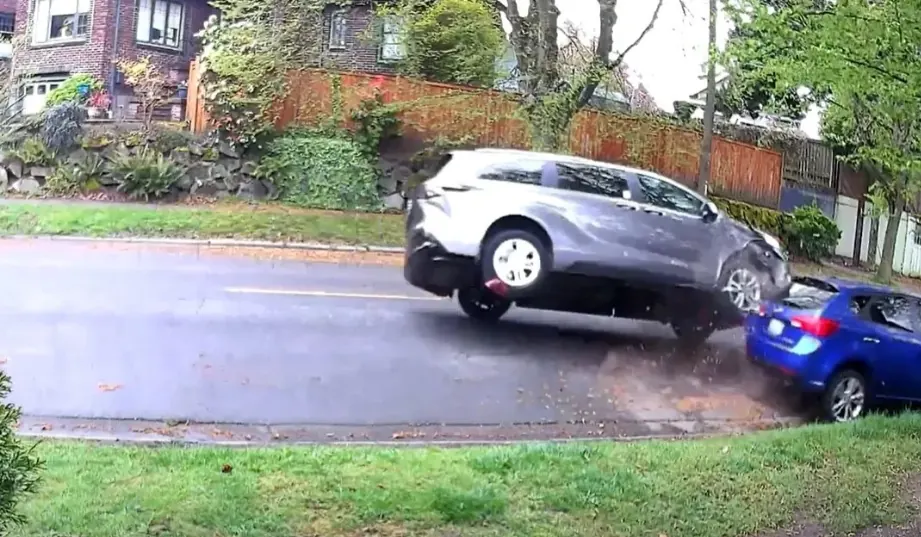
Seattle is grappling with the complexities of its urban streetscape as an opinion piece in The Urbanist calls for a more decisive shift towards car-free areas. The article argues that despite growing demand and legislative tools, the city is struggling to overcome car dominance and fully implement “shared streets” that prioritise people over vehicles.
The piece highlights a recent incident where a car crashed at a Seattle bus stop, underscoring the perceived dangers of current street designs. The author recounts personal experiences of requesting safety improvements, such as a safe crosswalk, only to receive form letters from the Seattle Department of Transportation (SDOT) that reference the city’s Vision Zero program, which has seen a significant rise in pedestrian fatalities.
Key facts
| Aspect | Detail |
|—|—|
| Policy Shift | Seattle has enacted enabling ordinances following a 2025 state law allowing for “shared streets” where cars are accommodated last. |
| Public Demand | A significant portion of Seattle households are car-free or car-lite, indicating a potential constituency for reduced car dependency. |
| Implementation Challenges | Despite legal tools and new programs like “People Streets and Public Spaces,” proposed initiatives have faced cancellations or dilutions due to perceived opposition. |
| Vision Zero | The program, intended to eliminate traffic fatalities, has coincided with an increase in pedestrian deaths in recent years. |
A Growing Constituency
The article posits that Seattle has successfully built constituencies for transit, housing, and affordability. However, it identifies a missing constituency for actively confronting car dominance. The author suggests that many residents, who already live car-free or car-lite lifestyles, would reduce their car usage if viable alternatives were available and street environments were safer. The piece points to the city’s population growth coinciding with a stable number of cars, indicating a growing segment of the population that experiences the city through a non-car lens.
Examples of the “car-default” city include cars blocking crosswalks, SUVs failing to stop for pedestrians, children learning to bike on patios due to unsafe routes, and cars parking in planting strips to avoid speeding traffic. The author also touches upon the social cost, noting how noise and traffic can lead residents to turn their homes away from streets, diminishing community interaction.
Policy and Programme Initiatives
Mayor Katie Wilson’s administration has initiated steps towards this shift, including the implementation of bus lanes on Denny Way and the launch of a “People Streets and Public Spaces” program. This program is piloting “low-pollution” initiatives in four neighborhoods with levy funding. The legal framework for these changes now exists, with the state’s shared streets law and Seattle’s subsequent enabling ordinance passing in recent years.
However, the implementation of these policies has encountered obstacles. The article criticises previous interpretations of “shared streets” as being car-first, masking safety issues with minimal interventions. The new legislation, the author argues, allows for the creation of public spaces genuinely reserved for people.
Recent Setbacks and Future Outlook
The opinion piece cites several instances where proactive efforts to create car-free or low-traffic zones have been stalled or modified. An event planned to close a block of “The Ave” to cars for two Saturdays was cancelled by the city shortly before it was due to take place, attributed to a petition of opposition, some of whose signatories reportedly did not support the ban. Similarly, a community safety plan in Pioneer Square involving bike parking corrals was significantly scaled back, with some elements moved to sidewalks, encroaching on pedestrian space.
In contrast, the article notes that for the FIFA World Cup, the city has pedestrianised all of Pioneer Square on match days, demonstrating that such changes are possible when there is a clear decision to implement them.
The author advocates for a “shared space” model that prioritises pedestrians, transit users, and vulnerable road users, while accommodating cars last. This approach aims to maximise the utility of the 27% of Seattle’s space currently dedicated to roads, parking, sidewalks, and alleys for the greater public good.
Source: The Urbanist, Op-Ed: Seattle Needs Car-Free Streets, https://www.theurbanist.org/op-ed-seattle-needs-car-free-streets/
Datos clave
| Punto | Detalle |
|---|---|
| Fuente | The Urbanist |
| Fecha | 2026-06-27T18:38:29+00:00 |
| Tema | Op-Ed: Seattle Needs Car-Free Streets |
Fuente
The Urbanist Publicacion original: 2026-06-27T18:38:29+00:00
Related updates
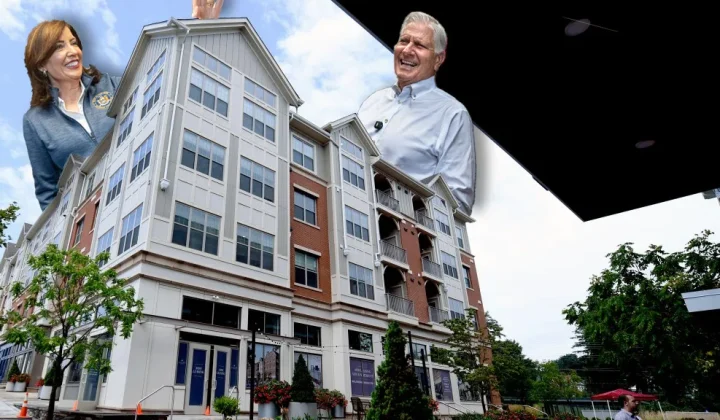
New York Poll Shows Overwhelming Bipartisan Support for Apartments Near Transit, Highlighting Contrast with London’s Own Housing Debate
A new poll from Open New York finds 79% of voters support building multi-family homes near rail stations, as the governor’s race…
Read update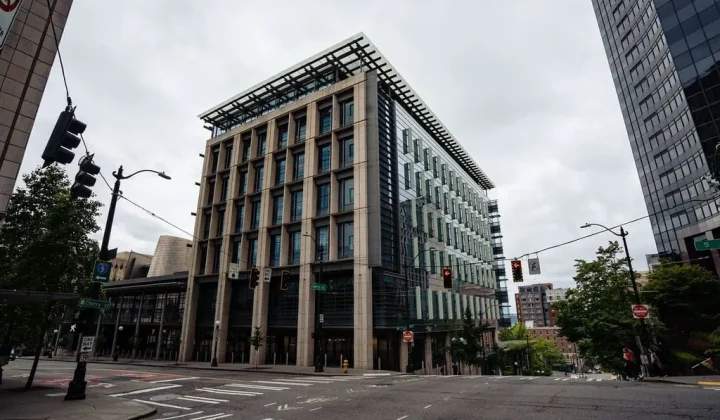
Seattle City Attorney Launches New Community Court and Repeat Offender Programme Amid Public Defender Concerns
Seattle City Attorney Erika Evans has launched Connection Court, a new community court programme, alongside a punitive High-Priority Repeat Offenses system. The…
Read update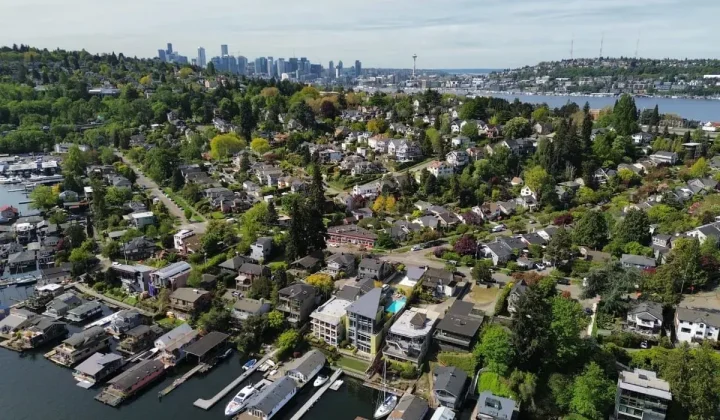
Seattle’s Centers & Corridors Zoning Update Delayed by Environmental Review Ruling
A state hearings board ruling has forced Seattle to rework the environmental impact statement for its twenty-year growth plan, pushing the next…
Read update
FEMA disaster mitigation grants freeze threatens to stall UK resilience learning, planners warn
A US Government Accountability Office report says $2.2 billion in FEMA Building Resilient Infrastructure and Communities grants remain unresolved, delaying more than…
Read update