
Seattle Leaders Challenge County Tax Plan Over Funding Disparities
Seattle city officials are pushing back against a proposed 0.1% countywide sales tax increase, arguing that a funding cap would unfairly divert millions of dollars away from the city to other municipalities.
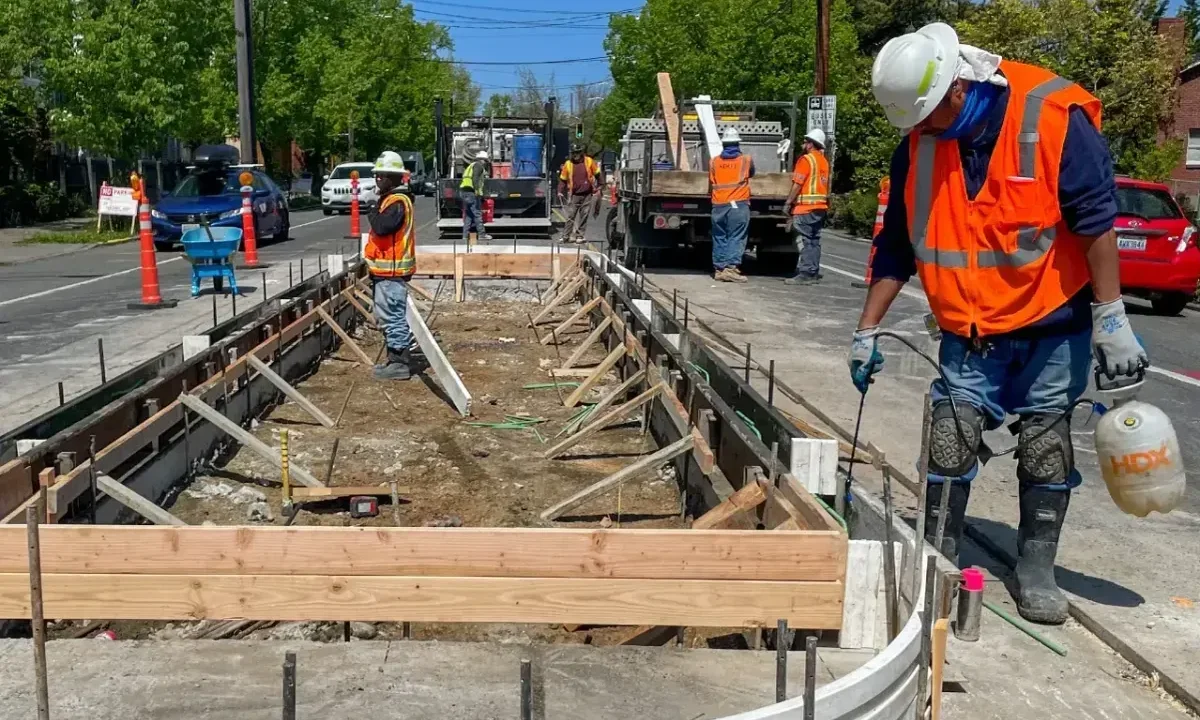
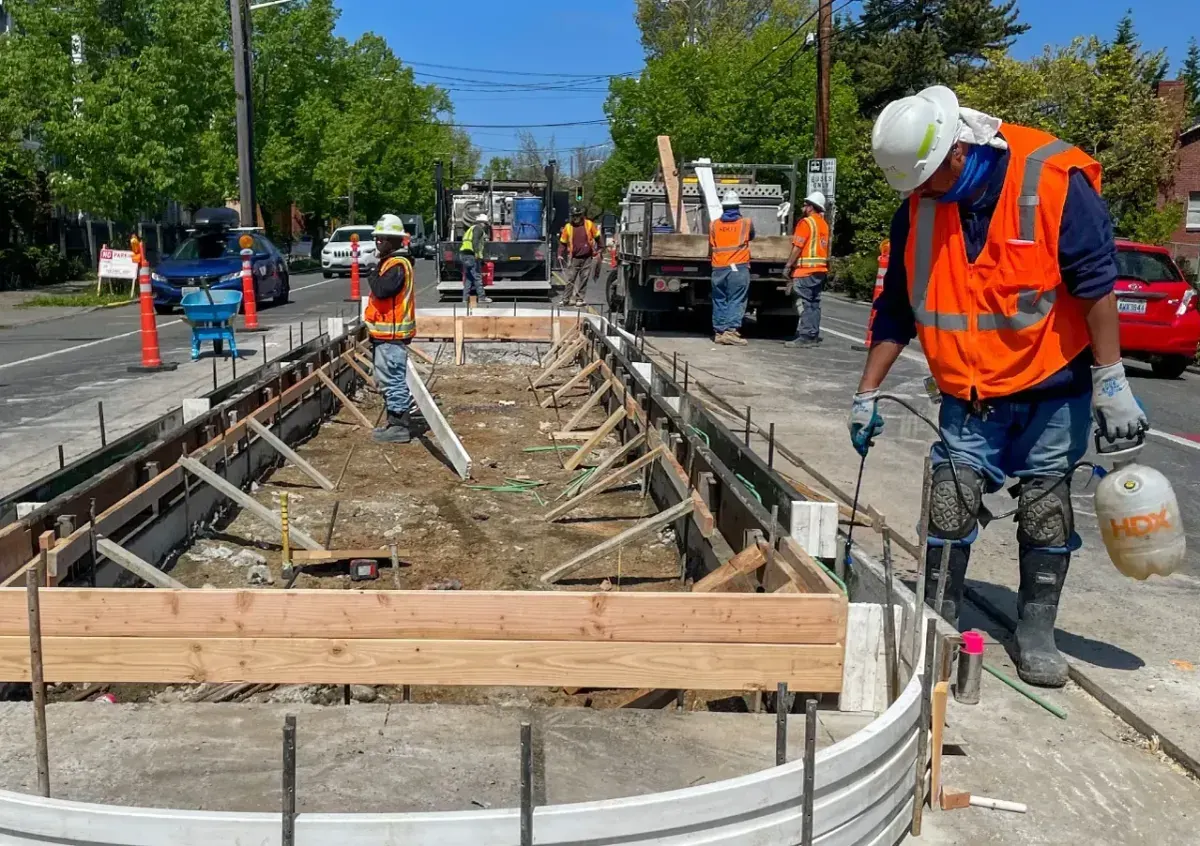
Seattle’s elected officials are mounting a strong challenge against a proposed King County provision that could see the city lose millions of dollars annually in transportation funding. The core of the dispute is a 0.1% countywide sales tax hike, intended to bolster regional transportation infrastructure. However, a proposed cap on a “pass-through” mechanism, designed to distribute a portion of the funds to cities, has sparked accusations of inequity, with Seattle arguing it is being unfairly shortchanged.
The county’s transportation benefit district, governed by the nine King County Councilmembers, is set to vote on the sales tax proposal. While the tax is largely earmarked for improvements to the county’s extensive road network, particularly in unincorporated areas facing years of underfunding and deferred maintenance, cities across King County have been seeking a share of the new revenue.
A proposed amendment, championed by County Councilmember Steffanie Fain, includes a 15% cap on the amount any single city can receive through the pass-through program. This cap, critics argue, disproportionately impacts Seattle, which accounts for approximately 38% of the county’s incorporated population. The funds that Seattle would otherwise secure under this program are slated for redistribution to the county’s 38 other cities, ranging from the large municipality of Bellevue to the tiny town of Skykomish. Provisions have been made for a $10,000 minimum distribution to very small cities, and any unused funds could potentially revert to King County roads.
Equity and Fairness Concerns
County Councilmember Jorge Barón, who represents Northwest Seattle, has been a vocal opponent of the proposed cap. His stance has been amplified by a letter signed by eight members of the Seattle City Council, initiated by councilwide member Alexis Mercedes Rinck, vice-chair of the council’s transportation committee. The letter argues that while passing through funds to cities is a positive step, the proposed cap is “not acceptable nor equitable” and urges the King County Council to remove it.
Analysis by Seattle city staff indicates that the annual funding Seattle could receive would plummet from an estimated $4.8 million to $1.9 million. This reduction would result in a significant redistribution of funds towards smaller jurisdictions, particularly on the Eastside. The letter highlights that cities like Hunts Point, Yarrow Point, and Beaux Arts Village would receive a disproportionately high amount of funding per capita. Furthermore, the redistribution is not necessarily favouring the smallest cities in need, but rather medium and large cities such as Redmond, Kirkland, and Sammamish.
Seattle’s Own Transit Funding Efforts
The dispute unfolds as Seattle is also considering its own sales tax measure to bolster public transit. This city-level proposal aims to replace an expiring measure and would double the existing rate from 0.15% to 0.3%. Its benefits include increasing bus trips within the city, supplementing the services provided by King County Metro. The county’s measure, in contrast, has progressed with less public scrutiny and does not require voter approval.
Councilmember Eddie Lin, who signed the letter opposing the cap, stated, “For our residents and businesses to be singled out to receive less is unacceptable.” He emphasized that losing millions of dollars annually lacks a justifiable policy reason and sends a message that Seattle deserves equitable treatment, especially given the revenue it generates.
Key Facts
| Aspect | Detail |
|---|---|
| Proposed Tax | 1% countywide sales tax increase in King County. |
| Primary Purpose | Funding transportation investments, particularly road maintenance in unincorporated areas. |
| Funding Mechanism | “Pass-through” to cities with a proposed 15% cap impacting individual cities. |
| Seattle’s Position | Argues the 15% cap unfairly reduces its funding share. |
| Funding Impact (Est.) | Seattle’s annual funding could drop from $4.8 million to $1.9 million. |
| Decision Body | King County Council. |
Regional Implications of the Cap
The debate over the funding cap has broader implications for regional cooperation. Councilmember Rod Dembowski, representing Northeast Seattle and surrounding areas, has expressed strong opposition to any cap, viewing it as punitive. He noted that Seattle contributes over 40% of the county’s sales tax receipts and warned that such actions could damage regional collaboration, suggesting that “powering through” a decision might be possible but detrimental to future policymaking.
Councilmember Bob Kettle, while not signing the letter, echoed concerns that the move could create animosity between the city and the county. The outcome of the King County Council vote, particularly the stance of councilmembers representing Eastside districts who may be direct beneficiaries of the redistributed funds, will be crucial. Claudia Balducci, current chair of the transportation district board, could play a deciding role, as her district includes many of these Eastside cities. Councilmember Rhonda Lewis, whose district spans parts of Seattle and Skyway, has indicated support for a cap, while Teresa Mosqueda’s position remains less clear.
The situation highlights the complex interplay between city and county responsibilities in funding essential infrastructure. Seattle’s pushback underscores the importance of equitable distribution of regional revenue and the potential for local government disputes to impact broader urban planning and transportation initiatives. The decision on the King County sales tax and its pass-through provisions will have tangible consequences for the maintenance and development of transportation networks across the region.
Source: The Urbanist, “Seattle Leaders Push Back on Plan to Shortchange City in New Countywide Tax”, https://www.theurbanist.org/seattle-leaders-push-back-on-plan-to-shortchange-city-in-new-countywide-tax/
Fuente
The Urbanist Publicacion original: 2026-06-11T13:00:23+00:00
Related updates
Seattle-Area Race Highlights Diverging Approaches to Housing, Transit and Tech Taxation
A Washington State legislative race in the 32nd District pits incrementalism against urgency on housing supply, transit funding and tech regulation, with…
Read update
New York court ruling on sanctuary policies carries implications for city-level immigration enforcement across the US
A federal judge has dismissed the Trump administration’s attempt to override New York City’s restrictions on immigration enforcement cooperation, citing state sovereignty.…
Read update
Automated license plate readers raise privacy, contract and oversight questions for UK cities
A new US-focused analysis of automated license plate recognition cameras highlights contract, privacy and oversight issues that London boroughs and Transport for…
Read update
Oregon’s “fix it first” dilemma: what London’s transport planners can learn from a revolt against megaprojects
Surveys show Oregonians overwhelmingly want existing roads repaired before new megaprojects are funded, and trust in the state’s transport agency has collapsed.…
Read update