
San Francisco’s Event Street Closures Jeopardise Cyclists Without Adequate Detours
A commentary piece highlights San Francisco's recurring failure to provide safe bike lane detours during street closures for events and construction, putting cyclists at risk and prompting calls for regulatory change.
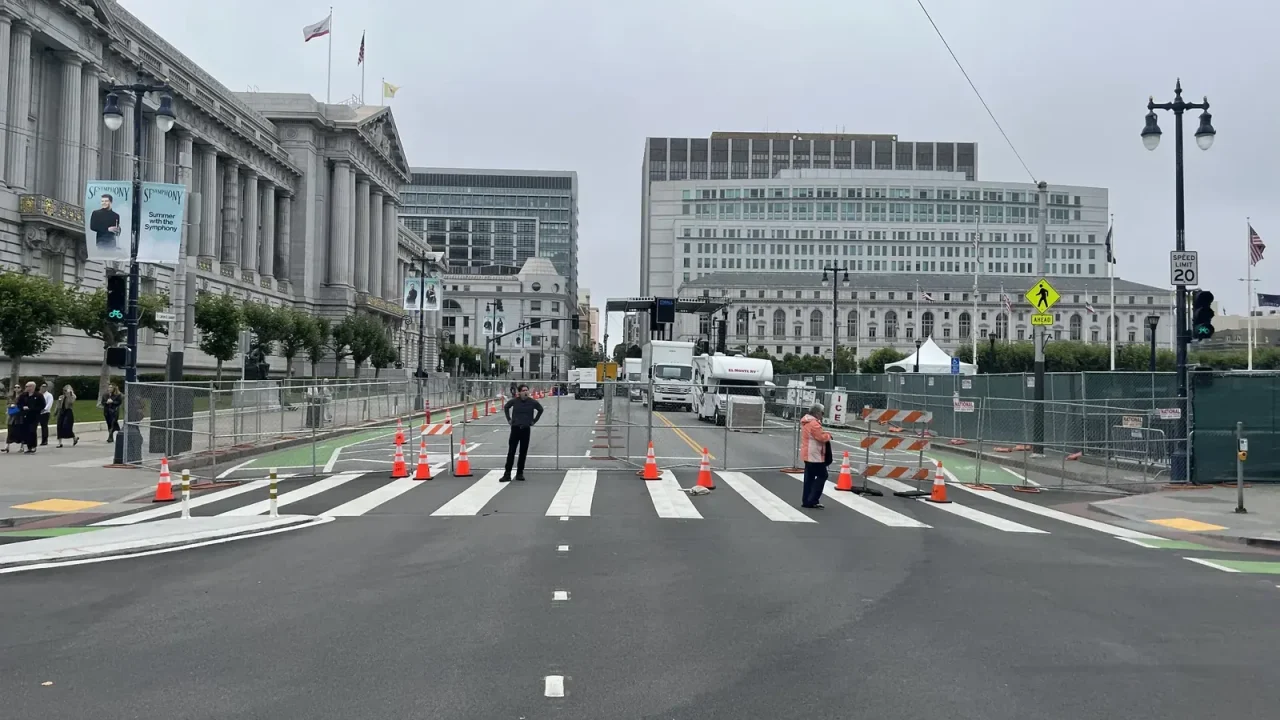
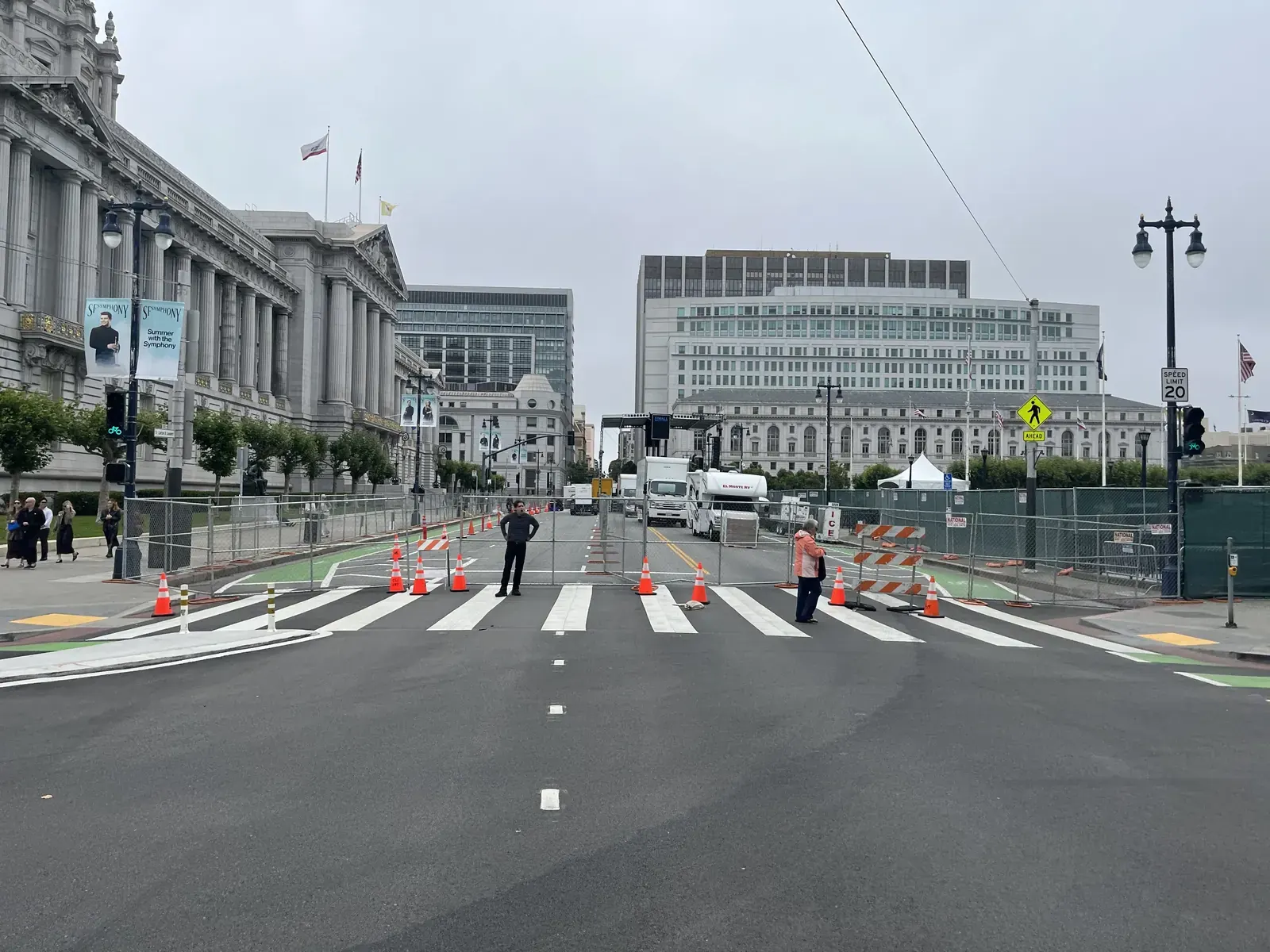
San Francisco faces ongoing criticism for its inadequate provision of safe detours for cyclists when streets are closed for events and construction. A recent commentary piece on Streetsblog SF points out a persistent problem: the city frequently blocks protected bike lanes without establishing clear and safe alternative routes for people on bicycles.
This issue was evident during the recent Pride Parade, where a section of Polk Street was closed, and the protected bike lane was consequently blocked. Similarly, the Moscone Center recently closed the Howard Street protected bike lane for the Config Global Design conference. In both instances, the signage indicating a “detour” was minimal, offering little guidance or assurance of safety for cyclists.
The San Francisco Municipal Transportation Agency (SFMTA) has been unresponsive to concerns. Despite reports of the Howard Street bike lane closure, an SFMTA spokesperson’s commitment to investigate and respond yielded no follow-up.
Root Cause: Inadequate Application Process
The core of the problem lies within the SFMTA’s street-closure application process. It currently lacks a requirement to protect cyclists. While the application prompts event organisers to consider aspects like disability parking and fire safety, the only mention of cycling is a suggestion to “Encourage attendees to ride bikes or take public transit” and potentially add “monitored bicycle parking.”
The SFMTA’s “Blue Book,” which outlines procedures for street construction, offers a slightly better framework. It includes a section on “working on bicycle routes” that mandates alternatives, primarily for painted lanes. However, this guidance does not extend to providing proper detours for separated or protected bike lanes, which are increasingly common on streets like Howard, Polk, and Valencia.
A Long-Standing Issue
This failure to accommodate cyclists during street closures is not a new problem in San Francisco. For years, the city has struggled to implement effective solutions. International examples, such as the Netherlands and Denmark, have established requirements for protected bike lane detours during road works and construction. Even nearby Oakland has reportedly managed to address this issue on occasion.
Other US cities have implemented more robust procedures. Denver’s Special Event Permit Process explicitly requires “A detour plan shall be required when closing a roadway, a bike lane or a sidewalk.” Their guidelines further stipulate that “bike lanes on collector/arterial streets must be detoured to the nearest like street with a bike lane” and recommend avoiding closures during peak hours to minimise disruption to bus and bike lanes. New York City’s Department of Transportation (NYCDOT) proactively installs temporary detours on adjacent streets a week in advance of major recurring events, though even they are not always perfect.
Simple Solutions Ignored
The commentary suggests that implementing temporary measures is not overly complex. It requires basic signage, temporary barriers like plastic or concrete Jersey barriers, and a degree of consideration for cyclist safety. The fundamental prerequisite, however, is for the SFMTA to formally incorporate guidelines for protected bike lane detours into its regulations.
Calls for Action
Mayor Daniel Lurie’s Street Safety Initiative has been suggested as a potential avenue for addressing this issue. Expanding the initiative to direct the SFMTA to mandate detour requirements for protected bike lanes during permitted events could be a crucial step.
While hosting events and carrying out necessary construction and maintenance often necessitate street closures, the city’s recurring oversight of cyclist safety during these periods is a significant concern. Without mandatory requirements for safe, protected detours, cyclists will continue to face unnecessary dangers, even on streets where protected lanes have been hard-won.
Key facts
| Issue | Description |
|—|—|
| Inadequate Detours | San Francisco fails to provide safe bike lane detours during street closures for events and construction. |
| Regulatory Gap | SFMTA street-closure applications do not require cyclist protection, only suggesting bike use and parking. |
| Limited Guidance | “Blue Book” offers some guidance for painted lanes but not for protected bike lanes. |
| Proposed Solution | Mandating detour requirements for protected bike lanes in SFMTA regulations. |
The lack of adequate bike detours during street closures directly impacts the safety and accessibility of cycling infrastructure in San Francisco. This oversight undermines efforts to encourage sustainable transport and puts vulnerable road users at risk. The city’s planning and permitting processes need to evolve to consistently integrate the needs of cyclists, mirroring best practices seen in other urban environments.
Source: Streetsblog SF, https://sf.streetsblog.org/2026/07/02/commentary-san-francisco-needs-to-provide-bike-detours
Datos clave
| Punto | Detalle |
|---|---|
| Fuente | Streetsblog SF |
| Fecha | 2026-07-02T18:42:08+00:00 |
| Tema | Commentary: San Francisco Needs to Provide Real Bike Detours |
Fuente
Streetsblog SF Publicacion original: 2026-07-02T18:42:08+00:00
Related updates

Seattle-Area Race Highlights Diverging Approaches to Housing, Transit and Tech Taxation
A Washington State legislative race in the 32nd District pits incrementalism against urgency on housing supply, transit funding and tech regulation, with…
Read update
New York court ruling on sanctuary policies carries implications for city-level immigration enforcement across the US
A federal judge has dismissed the Trump administration’s attempt to override New York City’s restrictions on immigration enforcement cooperation, citing state sovereignty.…
Read update
Automated license plate readers raise privacy, contract and oversight questions for UK cities
A new US-focused analysis of automated license plate recognition cameras highlights contract, privacy and oversight issues that London boroughs and Transport for…
Read update
Oregon’s “fix it first” dilemma: what London’s transport planners can learn from a revolt against megaprojects
Surveys show Oregonians overwhelmingly want existing roads repaired before new megaprojects are funded, and trust in the state’s transport agency has collapsed.…
Read updateWiki relacionada

Urban Planning Terms: Density, Public Realm and Transit-Oriented Development
A living glossary for terms that appear again and again in planning and development stories.
Read update