
Pedestrian Fatality Rates Remain High Across US Cities, Study Finds
A new study from Smart Growth America reveals that pedestrian death rates have continued to rise in most major US cities over the past five years, raising concerns about the safety of urban streets and the future of federal pedestrian safety programs.


A comprehensive study by Smart Growth America has found that pedestrian fatality rates continue to be a significant concern in cities across the United States. The report indicates that over the past five years, more than three-quarters of the cities examined experienced an increase in average pedestrian death rates. This trend raises critical questions about urban street design, safety policies, and the effectiveness of current initiatives aimed at protecting vulnerable road users.
The findings underscore a persistent and worsening problem, with implications for urban planning and public health across the country. The study’s analysis points to a complex interplay of factors contributing to these elevated fatality rates, suggesting that current approaches may not be sufficient to address the scale of the issue.
Key Findings
The Smart Growth America study, which analyzed data from numerous cities, revealed a stark reality: the majority of urban areas are becoming less safe for pedestrians. The increase in fatalities over a five-year period suggests a systemic issue rather than isolated incidents. This rise is particularly concerning given the growing emphasis on promoting walking and active transportation in urban environments.
The report highlights that this trend is not confined to a few specific locations but is widespread, affecting a substantial portion of American cities. This broad geographic impact suggests that common urban development patterns, transportation policies, and infrastructure choices may be contributing factors.
Implications for Urban Safety
The continued high rates of pedestrian deaths have significant implications for urban planning and public policy. Cities are increasingly seeking to create more livable and sustainable environments, which often involves encouraging walking, cycling, and the use of public transport. However, if streets are perceived as unsafe, these goals can be undermined.
The study’s findings may prompt a re-evaluation of how urban spaces are designed and managed. This could involve advocating for more robust pedestrian infrastructure, such as wider sidewalks, protected bike lanes, improved crosswalks, and traffic calming measures. The report also implicitly calls for greater attention to speed limits and vehicle design, as well as enhanced enforcement of traffic laws.
Federal Programs at Risk
Adding to the concern, the report notes that federal programs designed to enhance pedestrian safety are currently facing potential cutbacks. This juxtaposition—rising fatalities alongside at-risk safety funding—creates a challenging environment for addressing the issue effectively. The study suggests that a sustained and potentially increased commitment of resources at the federal level may be necessary to reverse the current trend.
The effectiveness of these federal programs is crucial for supporting local efforts to improve pedestrian safety. Without adequate funding and guidance, cities may struggle to implement the necessary changes to make their streets safer for everyone.
Future Directions
The Smart Growth America study serves as a critical call to action for urban planners, policymakers, and community advocates. It emphasizes the need for a data-driven approach to urban design that prioritizes the safety and well-being of pedestrians. This includes not only infrastructure improvements but also comprehensive strategies that address driver behavior, public awareness, and the equitable distribution of safety resources across all communities.
The report’s findings will likely inform future discussions on transportation policy, urban development, and public health initiatives. As cities continue to grapple with the challenges of urbanization, ensuring the safety of their streets must remain a paramount concern.
Key facts
| Aspect | Finding |
| :———————- | :——————————————————————– |
| Pedestrian Fatality Rate | Increased in over 75% of studied cities over the past five years. |
| Federal Programs | Programs aimed at pedestrian safety are at risk of reduced funding. |
| Study Focus | Analysis of pedestrian death rates across various US urban areas. |
| Core Concern | The persistent and worsening danger for pedestrians on city streets. |
This situation directly impacts the public realm by highlighting the need for safer, more accessible streets for all users. The data suggests that current urban design and traffic management strategies may not adequately protect pedestrians, necessitating a review of street design standards, traffic calming measures, and the integration of safety considerations into all planning processes. The findings could influence future development proposals, pushing for greater investment in pedestrian infrastructure and a more human-centered approach to urban mobility.
Source: Smart Cities Dive, https://www.smartcitiesdive.com/news/smart-growth-america-pedestrian-deaths-study/822409/
Datos clave
| Punto | Detalle |
|---|---|
| Fuente | Smart Cities Dive |
| Fecha | 2026-06-10T16:45:00+00:00 |
| Tema | Pedestrian death rates remain high: Smart Growth America study |
Fuente
Smart Cities Dive Publicacion original: 2026-06-10T16:45:00+00:00
Related updates
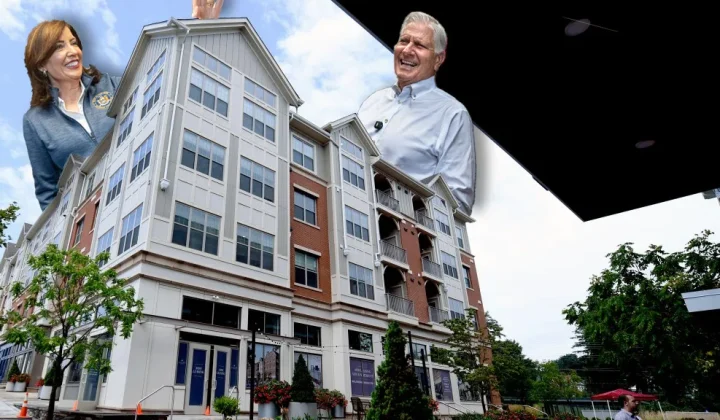
New York Poll Shows Overwhelming Bipartisan Support for Apartments Near Transit, Highlighting Contrast with London’s Own Housing Debate
A new poll from Open New York finds 79% of voters support building multi-family homes near rail stations, as the governor’s race…
Read update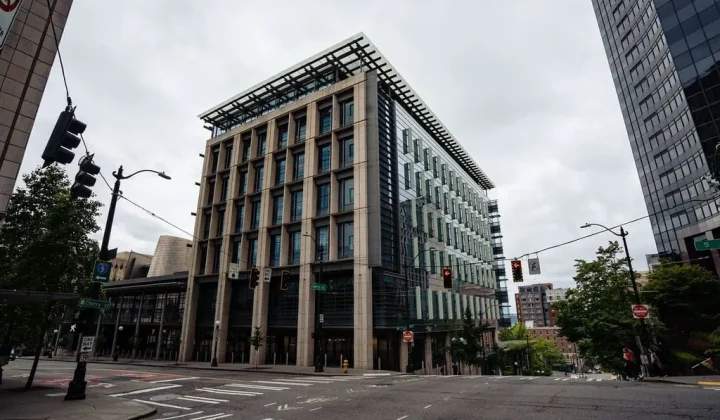
Seattle City Attorney Launches New Community Court and Repeat Offender Programme Amid Public Defender Concerns
Seattle City Attorney Erika Evans has launched Connection Court, a new community court programme, alongside a punitive High-Priority Repeat Offenses system. The…
Read update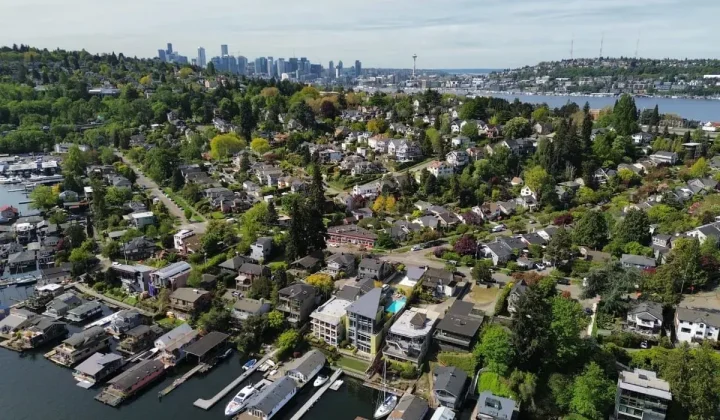
Seattle’s Centers & Corridors Zoning Update Delayed by Environmental Review Ruling
A state hearings board ruling has forced Seattle to rework the environmental impact statement for its twenty-year growth plan, pushing the next…
Read update
FEMA disaster mitigation grants freeze threatens to stall UK resilience learning, planners warn
A US Government Accountability Office report says $2.2 billion in FEMA Building Resilient Infrastructure and Communities grants remain unresolved, delaying more than…
Read update