
New York City Expands Curbside Waste Container Sharing for Smaller Buildings
A pilot program in Brooklyn will allow smaller residential buildings to share large curbside waste containers, aiming to reduce sidewalk clutter and improve waste management efficiency, drawing parallels to European systems.
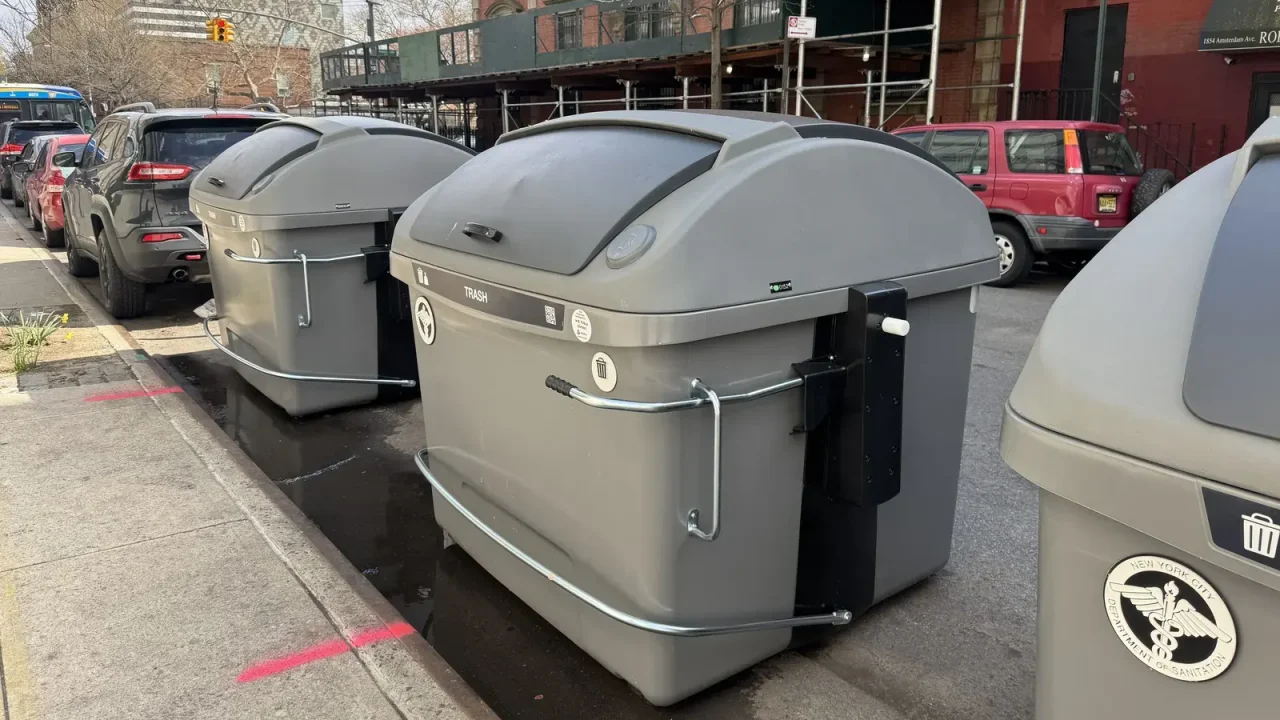
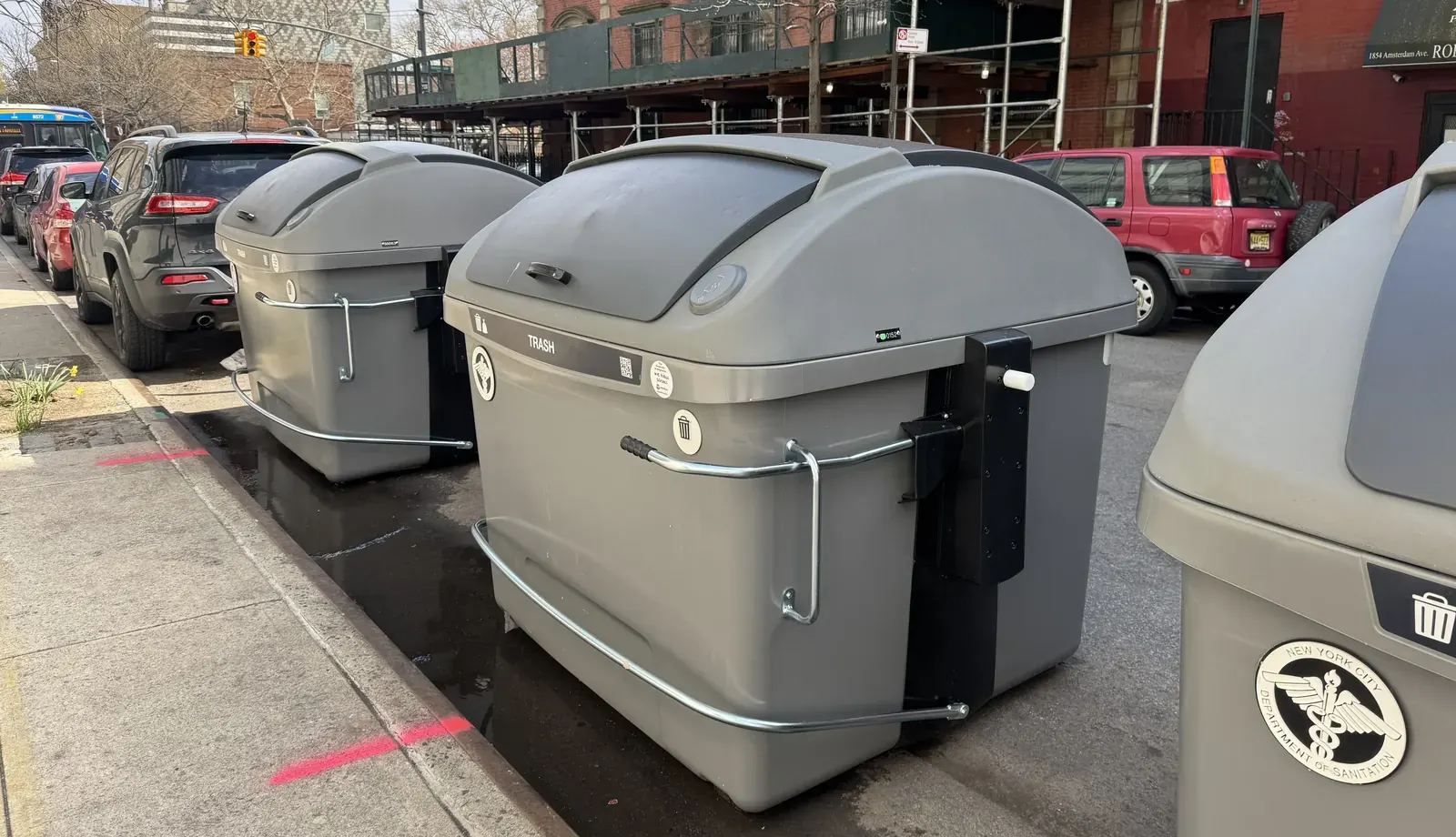
New York City is taking steps to declutter its sidewalks and streamline waste collection with a new pilot program that allows smaller residential buildings to share curbside trash containers. This initiative, currently being tested in specific Brooklyn neighborhoods, marks a significant shift from previous regulations that often required individual buildings to manage their waste with separate bins.
The Department of Sanitation (DSNY) has expanded its “Empire Bins” program, previously restricted to larger buildings or those with 10 or more units. Under the revised policy, smaller housing stocks, including brownstones and buildings with fewer than 10 units, can now apply to share these larger, street-level containers. This move is intended to bring the city closer to waste management practices seen in cities across Europe and Latin America.
Por que importa
The pilot is focused on Brooklyn’s Community District 2, an area encompassing neighborhoods like Brooklyn Heights, DUMBO, Fulton Ferry, Vinegar Hill, Boerum Hill, Downtown Brooklyn, the Brooklyn Navy Yard, Clinton Hill, and Fort Greene. For buildings in this district, a group of at least 15 units, even if spread across multiple smaller buildings, can apply for shared Empire Bins.
Clare Miflin, executive director of the Center for Zero Waste Design, views the change as a positive step. “It’s definitely moving in the right direction. It’s thinking about curb efficiency, it’s trying to reduce the amount of bins on sidewalks, it just doesn’t go far enough,” Miflin told Streetsblog. She highlighted that many cities with curbside containerization either offer access to all residents or leave bins open to the general public, a model that differs from New York’s phased approach.
Contexto
Council Member Lincoln Restler, who advocated for the policy change in his district, expressed support for extending the benefits of containerization to all residents. “Smaller brownstones and six-unit apartment buildings should also enjoy the benefits of full garbage containerization,” Restler stated. “Our sidewalks are often too congested and moving our garbage entirely off of the sidewalk and into these Empire Bins in the street is a great way to expand pedestrian space and get garbage off our doorsteps.”
Previously, New York’s “Trash Revolution,” launched last year, mandated that buildings with 31 or more units deploy new containers in the roadway. Buildings with nine or fewer apartments were required to use wheelie bins on sidewalks, while those with 10-30 units had the option to choose. The broader goal of the Adams administration’s initiative is to significantly reduce the city’s infamous waste piles and improve street cleanliness.
The DSNY plans a citywide expansion of the program by mid-2032. For the current phase, buildings in Community District 2 must register their interest in shared bins by the end of July. DSNY personnel have begun canvassing buildings to inform them about the application process.
Miflin and other waste reform advocates have long pushed for broader access to curbside container options, arguing that they make better use of street space compared to car storage and prevent the formation of “Berlin Wall” obstructions on sidewalks. She also noted that wheelie bins can be more difficult for sanitation workers to collect, especially when cars are parked nearby.
A key point of contention and a potential barrier to wider adoption, according to Miflin, is the responsibility for bin maintenance and the potential costs involved. She suggests that DSNY should allow recyclables and organics to be placed in street containers and absorb the maintenance costs, rather than placing the burden on building managers. “The amount of people that are going to do that I think is pretty slim if it’s just the trash, because you still have to maintain your recycling and organics bin,” Miflin commented.
Under the current framework, buildings opting for shared containers must designate a point person or management company responsible for signing an agreement with the city. This designated party will also be accountable for maintaining the bins and the surrounding area, with potential fines ranging from $100 to $300 for violations like failing to clean the bins. The city is permitted to charge landlords up to $55 per year per apartment unit for the bins, and Miflin advocates for these fees to be directly allocated to bin maintenance. “Other cities that do shared containers on streets, the city maintains them,” she observed. “It’s not anywhere else in the world done like this.”
The city began implementing new bins at schools in Brooklyn neighborhoods last fall, with plans to extend coverage to households across the district by mid-October 2027, as indicated in a City Record notice.
DSNY Commissioner Gregory Anderson expressed enthusiasm for the Brooklyn rollout, stating, “Residents and building managers in West Harlem have found Empire Bins to be clean and convenient, allowing building supers to take trash out at any hour, any day, while freeing up space once occupied by trash inside the building and on the sidewalk. We are thrilled to be bringing Empire Bins and cleaner streets to Brooklyn, and we expect them to be just as popular here and across the city.”
Building owners and staff interested in applying for the shared Empire Bins program can contact DSNY directly via email at [email protected].
Key facts
| Aspect | Detail |
| :———————- | :——————————————————————— |
| Program | Shared curbside waste containers (Empire Bins) |
| Target Area | Brooklyn Community District 2 |
| Eligibility | Smaller buildings, at least 15 combined units |
| Previous Restriction | Primarily for buildings with 10+ units |
| Goal | Reduce sidewalk clutter, improve waste management efficiency |
| Implementation Timeline | Pilot in Brooklyn, citywide expansion by mid-2032, household coverage by Oct 2027 |
This policy change directly impacts the use of public space by aiming to reclaim sidewalk areas currently occupied by individual waste bins. By consolidating waste into larger, street-level containers, the initiative seeks to create more pedestrian-friendly environments and enhance the aesthetic quality of urban streetscapes. The move also touches upon urban resilience by potentially improving sanitation and reducing pest attraction, although the long-term impact on these aspects will depend on the program’s full implementation and maintenance.
Source: Streetsblog NYC – Sanitation Will Let Smaller Buildings Share Curbside Containers – https://nyc.streetsblog.org/2026/07/02/sanitation-will-let-smaller-buildings-share-curbside-containers
Datos clave
| Punto | Detalle |
|---|---|
| Fuente | Streetsblog NYC |
| Fecha | 2026-07-02T04:03:00+00:00 |
| Tema | Sanitation Will Let Smaller Buildings Share Curbside Containers |
Fuente
Streetsblog NYC Publicacion original: 2026-07-02T04:03:00+00:00
Related updates

New York Poll Shows Overwhelming Bipartisan Support for Apartments Near Transit, Highlighting Contrast with London’s Own Housing Debate
A new poll from Open New York finds 79% of voters support building multi-family homes near rail stations, as the governor’s race…
Read update
Seattle City Attorney Launches New Community Court and Repeat Offender Programme Amid Public Defender Concerns
Seattle City Attorney Erika Evans has launched Connection Court, a new community court programme, alongside a punitive High-Priority Repeat Offenses system. The…
Read update
Seattle’s Centers & Corridors Zoning Update Delayed by Environmental Review Ruling
A state hearings board ruling has forced Seattle to rework the environmental impact statement for its twenty-year growth plan, pushing the next…
Read update
FEMA disaster mitigation grants freeze threatens to stall UK resilience learning, planners warn
A US Government Accountability Office report says $2.2 billion in FEMA Building Resilient Infrastructure and Communities grants remain unresolved, delaying more than…
Read update