
US Mayors Explore Sports Franchises to Drive Economic Development
A cohort of US mayors is partnering with the U.S. Conference of Mayors and Amrize on the Game Changer Program to leverage emerging sports markets, including women's sports and minor leagues, for permanent economic activity.
US cities are increasingly looking to sports franchises as a strategic tool for fostering long-term economic growth, moving beyond traditional stadium funding models that research suggests often fail to deliver substantial local economic boosts. A new initiative, the Game Changer Program, is set to guide mayors in capitalizing on the burgeoning opportunities within emerging sports markets, such as women’s sports and minor league teams.
The program is a collaboration between the U.S. Conference of Mayors (USCM) and the building services company Amrize. The inaugural cohort includes mayors from Bridgeport, Connecticut; Cedar Park, Texas; Chester, Pennsylvania; Dothan, Alabama; Long Beach, California; and Youngstown, Ohio. Their objective is to develop effective strategies for attracting sports teams and the necessary facilities to support them, with the ultimate goal of generating “permanent economic activity.”
Leveraging Existing Markets
Long Beach Mayor Rex Richardson highlighted the strategic advantage of focusing on existing and growing sports markets rather than attempting to create entirely new ones. “There are more professional sports opportunities emerging, like women’s sports and minor league baseball,” Richardson stated. “So you don’t need to create a new sports market — just leverage it to get a bigger piece.” The Game Changer Program aims to assist cities in performing a thorough evaluation of potential investments and their projected economic impact.
Richardson outlined a four-legged stool for tourism: conventions, special events, entertainment, and sports. Long Beach, he noted, is strong in the first two but needs to develop its entertainment and sporting venues. The city recently welcomed a new minor league baseball team, the Long Beach Coast, and is set to host 18 events for the 2028 Los Angeles Olympic and Paralympic Games. The city’s ambition is to use this heightened interest in sports to create sustained economic benefits.
The Game Changer Program’s role is to provide participating mayors with access to subject-matter experts who can offer guidance on optimising city positioning to attract more sports tourism revenue. In Long Beach, this could involve exploring the development of a new downtown sports venue.
Program Details and Future Outlook
As the Game Changer Program has only held one meeting so far, detailed plans for how participating mayors will integrate successful sports facilities into their cities’ real estate portfolios are still developing. Sara Durr, Director of Communications for USCM, indicated that additional cohort meetings would be scheduled for the fall if there is sufficient interest from more mayors.
This initiative comes at a time when cities are re-evaluating infrastructure investments. For instance, there’s a growing trend toward investing in less costly bus rapid transit systems over light rail, a shift noted by Yonah Freemark of The Transport Politic. The focus on sports development reflects a broader municipal strategy to diversify economic drivers and enhance urban appeal.
Key facts
| Aspect | Detail |
|---|---|
| Program Name | Game Changer Program |
| Participating Cities | Bridgeport (CT), Cedar Park (TX), Chester (PA), Dothan (AL), Long Beach (CA), Youngstown (OH) |
| Partner Organizations | U.S. Conference of Mayors (USCM), Amrize |
| Program Objective | To help cities attract sports teams and develop strategies for building facilities, aiming to create permanent economic activity and leverage emerging sports markets. |
| Mayor’s Perspective | Leveraging existing and emerging sports markets (women’s sports, minor leagues) is more effective than creating new ones; sports are a key leg of the tourism stool, alongside conventions, events, and entertainment. |
The potential impact on urban planning and development is significant. Cities might see increased demand for new or upgraded entertainment venues, which could spur urban regeneration projects, particularly in areas near existing infrastructure or transit hubs. The development of sports facilities often involves complex public-private partnerships, requiring careful financial planning and consideration of long-term community benefits.
For urban transportation, the influx of sports events can strain existing networks, necessitating improvements in public transit, parking, and traffic management. The economic activity generated could also lead to increased demand for hospitality services, retail, and housing in the vicinity of these venues.
From a data and policy perspective, cities will need to develop robust frameworks for evaluating the economic viability of sports investments. This includes analysing potential job creation, tourism revenue, and local business impact, while also considering the costs associated with infrastructure development and maintenance. The Game Changer Program’s emphasis on expert guidance suggests a move towards more data-driven decision-making in municipal economic development strategies.
Source: Smart Cities Dive – https://www.smartcitiesdive.com/news/cities-see-opportunity-in-emerging-sports-markets/821871/
Fuente
Smart Cities Dive Publicacion original: 2026-06-03T14:51:35+00:00
Related updates
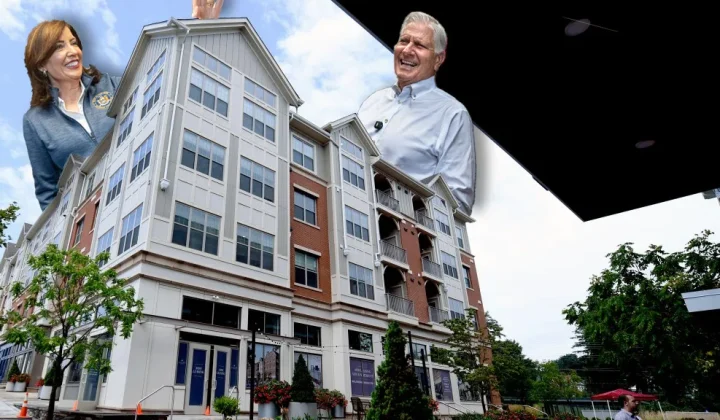
New York Poll Shows Overwhelming Bipartisan Support for Apartments Near Transit, Highlighting Contrast with London’s Own Housing Debate
A new poll from Open New York finds 79% of voters support building multi-family homes near rail stations, as the governor’s race…
Read update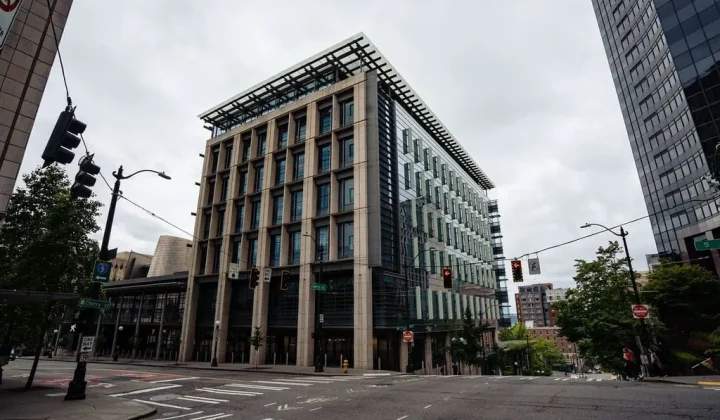
Seattle City Attorney Launches New Community Court and Repeat Offender Programme Amid Public Defender Concerns
Seattle City Attorney Erika Evans has launched Connection Court, a new community court programme, alongside a punitive High-Priority Repeat Offenses system. The…
Read update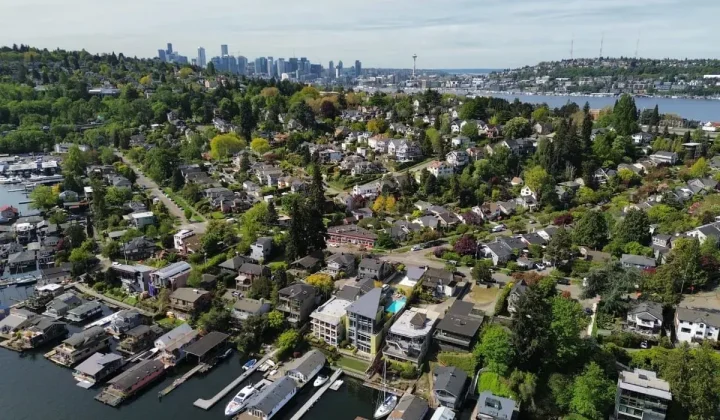
Seattle’s Centers & Corridors Zoning Update Delayed by Environmental Review Ruling
A state hearings board ruling has forced Seattle to rework the environmental impact statement for its twenty-year growth plan, pushing the next…
Read update
FEMA disaster mitigation grants freeze threatens to stall UK resilience learning, planners warn
A US Government Accountability Office report says $2.2 billion in FEMA Building Resilient Infrastructure and Communities grants remain unresolved, delaying more than…
Read update