
Legal Challenge Reignites Housing Debate in Seattle’s Stadium District
A new legal appeal filed by the T-Mobile Park facilities district and the Seattle Building & Construction Trades Council challenges a plan to ban housing in the Stadium Transition Area Overlay District, reopening a contentious debate over land use in the North SoDo area.
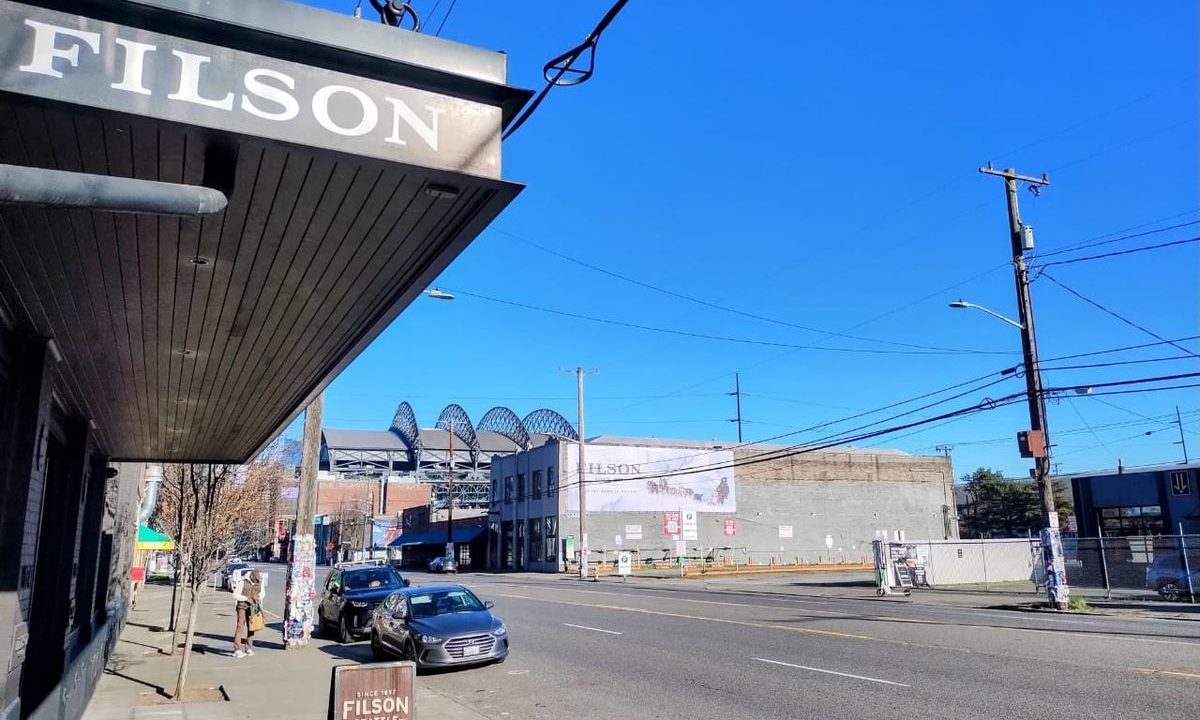
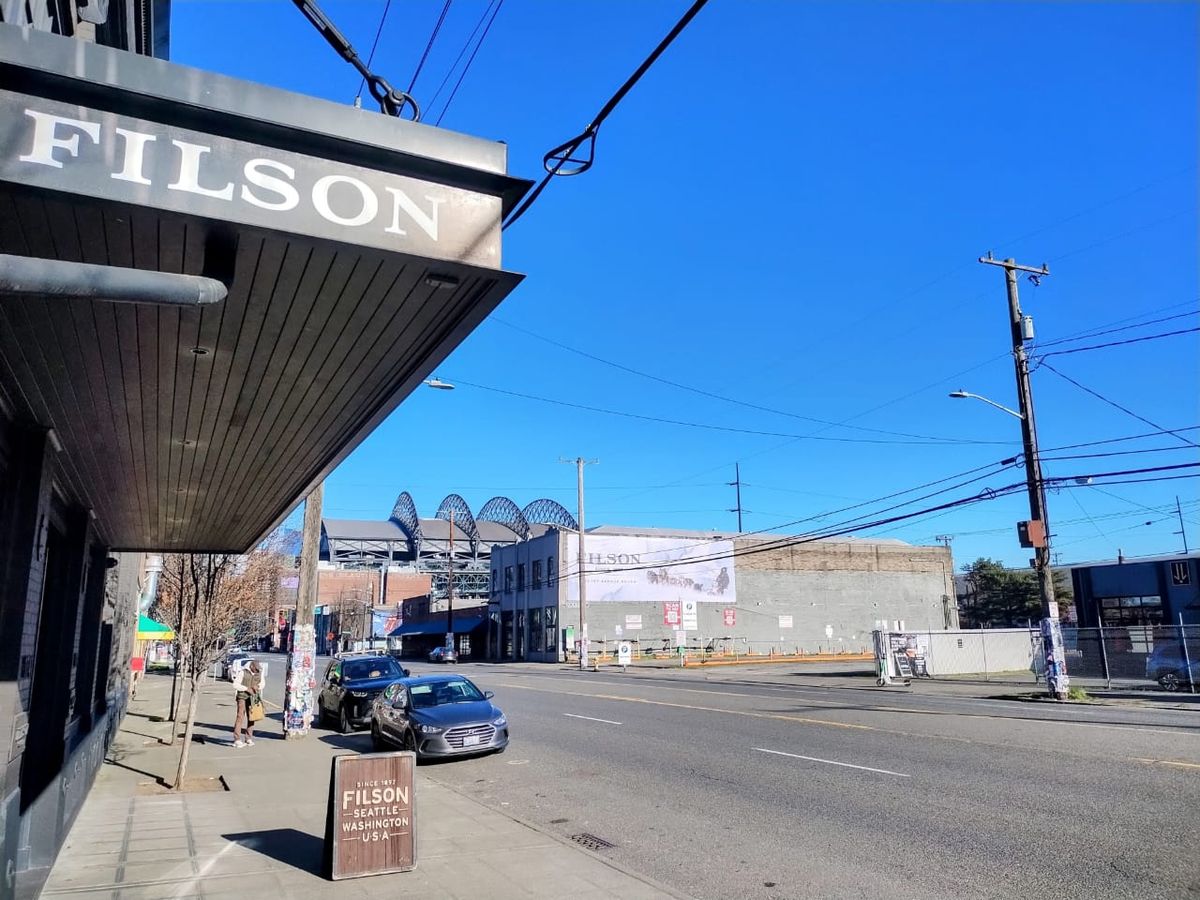
A legal appeal has been filed, potentially reopening the contentious debate over allowing housing construction in Seattle’s Stadium Transition Area Overlay District (STAOD). The Washington State Major League Baseball Stadium Public Facilities District (PFD) and the Seattle Building & Construction Trades Council have challenged a proposed update to the Duwamish Manufacturing and Industrial Center (MIC) Subarea Plan, which seeks to maintain a ban on residential uses in the area.
This new appeal comes after the Seattle City Council officially repealed a law that would have paved the way for residential development around the stadiums. The original push to allow housing in this North SoDo industrial land was earlier thwarted by a ruling from the state Growth Management Hearings Board, which found that the law opening the door to housing had been illegally adopted. However, the latest filing argues that the City is now moving too far in the opposite direction by implementing a blanket ban on future housing.
The STAOD, located around First Avenue S north of Holgate Street and south of Pioneer Square, has been a focal point for competing interests for years. In 2025, a coalition including former Councilmember Sara Nelson, stadium boosters, and building advocates supported a bill to legalize approximately 1,000 units of housing in the area, envisioned as a “Makers District” combining light industrial uses with workforce housing. This proposal faced strong opposition from shipping and freight interests, who raised concerns about traffic impacts on the nearby Port of Seattle and criticized the process as rushed.
The Growth Management Hearings Board ultimately sided with opponents of the housing proposal, ruling that procedural corners had been cut. Now, the PFD and the construction trades council are contesting a specific policy within the proposed update to the Duwamish MIC Subarea Plan.
Stadium District Housing Saga Reignited
The appeal argues that the proposed policy, which aims to “Encourage a broader mix of uses and a stronger orientation to retail and entertainment uses within the STAOD than in other parts of the MIC, including lodging, but do not allow any residential uses and do not amend codes to enable even limited residential uses or residential uses under conditions,” is not aligned with the city’s newly adopted Comprehensive Plan, approved in December.
“Contrary to the recently adopted One Seattle Plan, the City’s proposed adoption of the Greater Duwamish Manufacturing and Industrial Center Subarea Plan would completely eliminate the possibility of future housing in the STAOD, placing a blanket ban on future housing and undermining that area’s redevelopment as envisioned by the Seattle Municipal Code and the PFD’s mission,” the appeal states.
Legal Claims and Environmental Review
Among the legal claims made in the appeal are that the final environmental impact statement (FEIS) for the MIC plan failed to adequately assess the impacts of allowing housing in the STAOD. Conversely, the appellants argue that the impacts of *prohibiting* housing in the area are “likely to be significant.” The two groups are calling for the Seattle Office of Planning and Community Development (OPCD) to reconsider the plan for industrial lands in the Duwamish Valley.
The question of how to balance competing interests regarding Seattle’s industrial lands has been a long-standing challenge for City Hall. Former Mayor Jenny Durkan’s term was marked by efforts to grapple with this issue. In 2023, Mayor Bruce Harrell presented a proposal that aimed to achieve consensus, but the stadium “Makers District” concept emerged as a point of contention, particularly due to opposition from the Port of Seattle. The final proposal signed by Harrell did not include provisions for housing in the STAOD.
When Councilmember Sara Nelson reintroduced the issue with her bill, it garnered support from a diverse coalition, including affordable housing advocates. However, the proposal also drew criticism from some urbanists who questioned the siting of housing in an industrial area with limited amenities, especially when other less polluted areas of the city remained restricted for multifamily housing. The bill to repeal Nelson’s measure in May, in line with the Growth Management Hearings Board’s ruling, passed unanimously. Despite this, the coalition that initially supported Nelson’s bill is determined to keep the issue on the table.
Comprehensive Plan Alignment and SEPA Concerns
The appeal also asserts that the City’s current proposal for the Greater Duwamish MIC Subarea Plan is inconsistent with the City’s Comprehensive Plan. The filing states, “The City’s current Comprehensive Plan policies contemplate STAOD residential uses, especially dwellings for workers east of 1st Avenue South.”
Furthermore, the appellants argue that the City has violated the State Environmental Policy Act (SEPA). They contend that the proposed subarea plan, as it stands and has been evaluated under SEPA, would “frustrate that vision, completely eliminating any possibility of future housing in a manner that would both (a) harm the PFD and the members of the Seattle Building & Construction Trades Council and (b) be inconsistent with the City’s Comprehensive Plan and Seattle Municipal Code.”
Impact on Planning Timelines
The Greater Duwamish Manufacturing and Industrial Center Subarea Plan was anticipated to go before the City Council within weeks, as part of the City’s compliance efforts with the state Growth Management Act. However, this new appeal could significantly delay this timeline. This situation mirrors delays experienced last year due to appeals against the overall Comprehensive Plan’s environmental review, which pushed the second phase of the plan into 2026. These past appeals remain unresolved, despite legislative efforts to protect housing growth plans from SEPA challenges.
The appeal highlights a recent proposal by land use committee chair Eddie Lin, which aims to align Seattle’s processes with those of cities like Tacoma, suggesting a broader movement to streamline urban planning and development reviews in response to such challenges.
Key facts
| Subject | Detail |
|—|—|
| Location | Stadium Transition Area Overlay District (STAOD), North SoDo, Seattle |
| Key Parties | Washington State Major League Baseball Stadium Public Facilities District (PFD), Seattle Building & Construction Trades Council, Seattle City Council, Port of Seattle |
| Core Issue | Legal challenge to a ban on housing in an industrial area, reigniting debate over land use and development. |
| Previous Rulings | State Growth Management Hearings Board found initial housing legalization law was illegally adopted. |
This ongoing legal battle over housing in the STAOD directly impacts urban planning strategies for Seattle’s industrial lands. It raises questions about the balance between preserving industrial uses, facilitating housing development, and adhering to environmental review processes. The outcome could influence future land use decisions in similar urban industrial zones across the city and potentially beyond, affecting the availability of housing and the character of areas adjacent to major civic infrastructure.
Source: The Urbanist, https://www.theurbanist.org/appeal-restarts-stadium-district-housing-saga/
Key facts
| Point | Detail |
|---|---|
| Source | The Urbanist |
| Date | 2026-06-05T13:00:17+00:00 |
| Topic | Legal Appeal from MLB Stadium Authority Restarts Stadium District Housing Saga |
Fuente
The Urbanist Publicacion original: 2026-06-05T13:00:17+00:00
Related updates
New York Poll Shows Overwhelming Bipartisan Support for Apartments Near Transit, Highlighting Contrast with London’s Own Housing Debate
A new poll from Open New York finds 79% of voters support building multi-family homes near rail stations, as the governor’s race…
Read update
Seattle City Attorney Launches New Community Court and Repeat Offender Programme Amid Public Defender Concerns
Seattle City Attorney Erika Evans has launched Connection Court, a new community court programme, alongside a punitive High-Priority Repeat Offenses system. The…
Read update
Seattle’s Centers & Corridors Zoning Update Delayed by Environmental Review Ruling
A state hearings board ruling has forced Seattle to rework the environmental impact statement for its twenty-year growth plan, pushing the next…
Read update
FEMA disaster mitigation grants freeze threatens to stall UK resilience learning, planners warn
A US Government Accountability Office report says $2.2 billion in FEMA Building Resilient Infrastructure and Communities grants remain unresolved, delaying more than…
Read updateWiki relacionada

Urban Planning Terms: Density, Public Realm and Transit-Oriented Development
A living glossary for terms that appear again and again in planning and development stories.
Read update