
HUD Guidelines Suggest Removing Green Building Requirements to Boost Housing Supply
New federal guidelines from the Department of Housing and Urban Development propose that local and state governments eliminate green-energy building requirements as a measure to accelerate housing production and reduce construction costs.
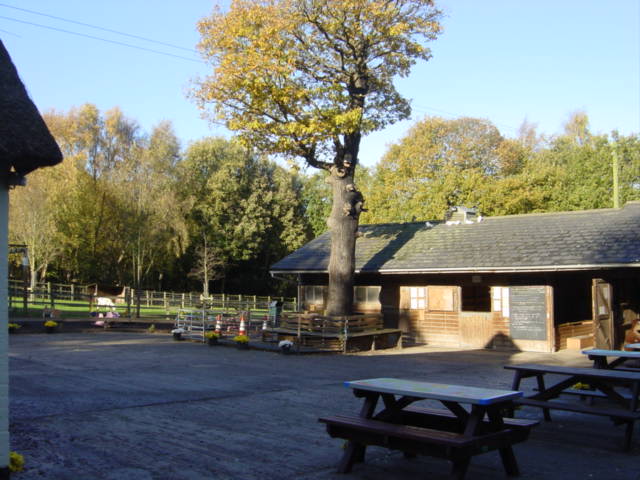
New Federal Recommendations Could Affect Building Standards
The U.S. Department of Housing and Urban Development (HUD) has released a set of guidelines aimed at increasing the pace of housing construction across the nation. Among the recommendations are measures that suggest local and state governments consider removing green-energy building requirements. The move is part of a broader effort to reduce costs and streamline the development process, with the ultimate goal of stimulating greater housing production.
The guidelines, detailed in a three-page document, outline several strategies that HUD believes will lower expenses for developers and, by extension, potentially make housing more affordable or accessible. These strategies include capping permitting fees, implementing what are described as “efficient” building codes, and the aforementioned removal of green-energy mandates.
Streamlining Approvals and Encouraging Development
Beyond building standards, HUD’s “best practices” report also encourages local governments to adopt solutions that expedite the approval of construction projects. This includes promoting by-right development for single-family homes, particularly focusing on options that serve middle-income households.
The report further suggests leveraging public land for housing initiatives and employing AI to streamline the permitting process. Additionally, it advocates for increased support for manufactured and modular housing, recognizing their potential for faster and more cost-effective delivery compared to traditional construction methods. Notably, the HUD document does not specifically address issues of density or the development of multifamily housing units.
Potential Impacts and Considerations
The suggestion to remove green building requirements has raised discussions within the urbanism and environmental sectors. Proponents argue that such a move could significantly reduce the upfront costs associated with new construction, thereby accelerating the delivery of much-needed housing units. This could be particularly impactful in areas facing severe housing shortages.
However, critics express concerns that weakening green building standards could undermine progress in climate resilience and energy efficiency. They argue that while immediate cost savings are attractive, the long-term implications of less sustainable construction practices could lead to higher energy bills for residents, increased strain on infrastructure, and greater environmental impact. The balance between rapid housing delivery and sustainable development practices remains a key challenge for urban planners and policymakers.
The guidelines focus on the United States context, but the underlying tension between accelerating development and maintaining environmental standards is a global concern. Many cities worldwide are grappling with similar challenges, seeking innovative solutions to increase housing supply without compromising long-term sustainability goals. The effectiveness and widespread adoption of HUD’s recommendations will likely depend on local political will, existing regulatory frameworks, and the specific housing market conditions in different regions.
Key facts
| Recommendation | Purpose | Potential Impact |
|—|—|—|
| Nixing green-energy building requirements | Reduce construction costs, stimulate housing production | Faster development, potential cost savings, but may reduce environmental standards |
| Capping permitting fees | Lower development expenses | Increased housing starts, potentially more affordable housing |
| Implementing “efficient” building codes | Streamline construction approvals | Reduced project timelines, easier compliance for builders |
| Encouraging by-right development (single-family) | Accelerate approvals for specific housing types | Faster delivery of single-family homes, focus on middle-income housing |
The implications of these HUD guidelines extend beyond mere construction costs and timelines. They touch upon fundamental aspects of urban planning, housing policy, and environmental stewardship. By suggesting a rollback of green building mandates, HUD is signalling a prioritization of housing supply in the immediate term. This approach necessitates careful consideration of how it aligns with broader urban resilience strategies, energy efficiency targets, and the long-term livability of communities. The effectiveness of these recommendations will be closely watched, particularly in how they are interpreted and implemented by local authorities within the diverse landscape of American urban development.
Fuente: Planetizen News, https://www.planetizen.com/news/2026/05/137648-new-hud-guidelines-call-nixing-green-building-requirements
Datos clave
| Punto | Detalle |
|---|---|
| Fuente | Planetizen News |
| Fecha | 2026-05-26T16:00:00+00:00 |
| Tema | New HUD guidelines call for nixing green building requirements |
Fuente
Planetizen News Publicacion original: 2026-05-26T16:00:00+00:00
Related updates

New York Poll Shows Overwhelming Bipartisan Support for Apartments Near Transit, Highlighting Contrast with London’s Own Housing Debate
A new poll from Open New York finds 79% of voters support building multi-family homes near rail stations, as the governor’s race…
Read update
Seattle City Attorney Launches New Community Court and Repeat Offender Programme Amid Public Defender Concerns
Seattle City Attorney Erika Evans has launched Connection Court, a new community court programme, alongside a punitive High-Priority Repeat Offenses system. The…
Read update
Seattle’s Centers & Corridors Zoning Update Delayed by Environmental Review Ruling
A state hearings board ruling has forced Seattle to rework the environmental impact statement for its twenty-year growth plan, pushing the next…
Read update
FEMA disaster mitigation grants freeze threatens to stall UK resilience learning, planners warn
A US Government Accountability Office report says $2.2 billion in FEMA Building Resilient Infrastructure and Communities grants remain unresolved, delaying more than…
Read updateWiki relacionada

Urban Planning Terms: Density, Public Realm and Transit-Oriented Development
A living glossary for terms that appear again and again in planning and development stories.
Read update