
The Green Belt’s Shifting Sands – London’s Housing Dilemma
London's Green Belt, a foundational policy for urban containment, is increasingly at the heart of debates around the city's housing crisis. This column explores the historical intent, current pressures, and potential future of this protected land, examining how its rigid boundaries clash with the urgent need for afford
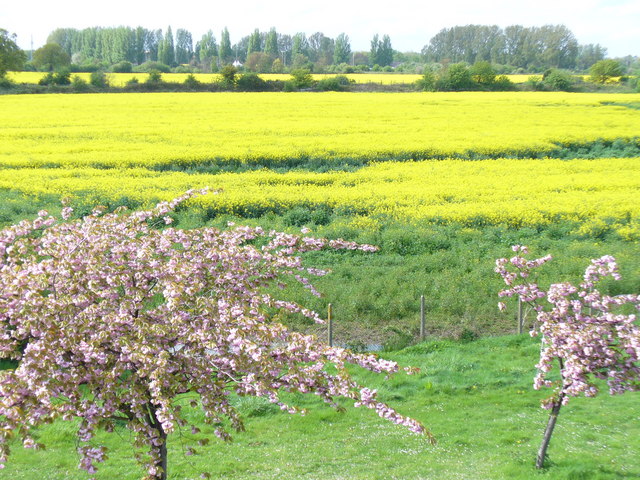
The Green Belt surrounding London is a concept deeply ingrained in the city’s identity and planning philosophy. Conceived as a bulwark against urban sprawl, it aims to preserve the character of the countryside and prevent towns from merging. Yet, in an era defined by a chronic housing shortage and immense population pressure, this policy often finds itself in direct opposition to the urgent need for new homes, particularly affordable ones. This column delves into the multifaceted debate surrounding the Green Belt, examining its historical purpose, the contemporary challenges it presents, and the difficult choices facing London’s planners and policymakers.
At its core, the Green Belt is intended to act as a permanent barrier. Its objectives are clear: to check the unrestricted sprawl of large built-up areas, prevent the merging of neighbouring towns, assist in safeguarding the countryside from encroachment, preserve the special character of historic towns, and assist in urban regeneration by encouraging the recycling of derelict and other urban land. However, the very success of London as a global city has intensified demand for housing to an unprecedented degree, leading to a critical re-evaluation of whether these foundational principles can coexist with the city’s growth imperative.
Why the Green Belt Matters in London’s Housing Debate
The Green Belt is not merely a line on a map; it represents a significant portion of land around London, far exceeding the built-up area of the city itself. Its protected status means that development within these zones is severely restricted, primarily limited to agricultural buildings, essential infrastructure, and certain forms of affordable housing under very special circumstances. This constraint has profound implications for housing supply. With land within the existing urban fabric becoming increasingly scarce and expensive, developers and policymakers alike often look to the Green Belt as a potential solution to ease pressure.
However, advocates for the Green Belt argue that its erosion would lead to irreversible environmental damage, increased car dependency, and the loss of vital green spaces that contribute to the health and well-being of Londoners. They highlight its role in providing recreational opportunities, supporting biodiversity, and even mitigating climate change impacts. The debate is thus not simply about housing numbers, but about the very character and future sustainability of the capital and its surrounding areas.
What Official Sources Show About the Green Belt
Official data consistently illustrates the scale of the Green Belt and the pressures it faces. The Department for Levelling Up, Housing and Communities (DLUHC) publishes annual statistics on Green Belt land. For England, the Green Belt covers approximately 13% of the land area. For London, the situation is particularly acute, with a significant portion of its surrounding boroughs designated as Green Belt.
According to data from the London Datastore and various planning reports:
- London Green Belt Area: ~22% of Greater London area | London Datastore / GLA Planning
- Percentage of Brownfield within Green Belt: Relatively small | Varies by borough, often less than 1% of Green Belt
- London’s Housing Need (annual): 66,000 homes (GLA target) | London Plan / Mayor’s Housing Strategy
- Green Belt designations: 14 Green Belts in England | DLUHC, National Planning Policy Framework
Source: London Datastore, Greater London Authority, Department for Levelling Up, Housing and Communities
These figures underscore the spatial dominance of the Green Belt around London. While the total area is substantial, it’s crucial to differentiate between genuinely undeveloped, high-value ecological land and areas that might be less sensitive, such as brownfield sites within the Green Belt, or areas of poorer environmental quality. However, even these less sensitive areas face significant planning hurdles due to the overarching protective policy.
Competing Readings: Protection vs. Provision
The debate around the Green Belt is characterised by two strong, often opposing, viewpoints.
The Case for Green Belt Protection
Proponents argue that the Green Belt is a crucial planning tool that has successfully contained London’s outward expansion. They contend that releasing Green Belt land would set a dangerous precedent, leading to further encroachment and the eventual loss of irreplaceable natural assets. Organisations like the CPRE (Campaign to Protect Rural England) frequently highlight the environmental benefits, the importance of accessible green space for urban populations, and the potential for increased car dependence if development is pushed to the urban fringe. They often advocate for prioritising brownfield regeneration within the existing urban area, arguing that significant capacity still exists if policies and funding are aligned.
The Case for Green Belt Review/Release
Conversely, many in the development industry, certain economists, and some politicians argue that the Green Belt is too rigid and is exacerbating London’s housing crisis. They point to the sheer scale of the land and the fact that not all Green Belt land is of high environmental or amenity value. They suggest a more nuanced approach, advocating for “Green Belt swaps” or selective release of less sensitive, often poorer quality, land that is well-connected to infrastructure. The argument is that the economic and social costs of unaffordable housing, including long commutes and reduced quality of life, outweigh the benefits of preserving certain parcels of Green Belt land that offer limited public utility. They also highlight that the Green Belt can push development further out, leading to longer commutes and greater environmental impact in more distant areas.
What Remains Unclear
Despite decades of debate, several critical aspects of the Green Belt’s future remain unclear. Firstly, there is no universal agreement on what constitutes “truly special” Green Belt land versus “low-value” land. The criteria for assessing the ecological, agricultural, or amenity value of specific Green Belt parcels can be subjective and highly contested. Secondly, the political will to undertake a comprehensive, national-level review of Green Belt policy is often lacking, given the strong public support for its protection. Local authorities, while facing housing targets, are often reluctant to propose Green Belt releases due to local opposition.
Furthermore, the effectiveness of brownfield regeneration as a sole solution remains a point of contention. While many agree that brownfield sites should be prioritised, questions remain about their capacity to meet London’s immense housing needs, the cost and complexity of developing these sites, and the speed at which they can be brought forward. The balance between protecting green spaces and providing homes for a growing population is a policy tightrope with no easy answers.
Practical Checks for London’s Green Belt Future
For those observing or involved in London’s urban development, several practical checks can indicate the direction of Green Belt policy and its impact:
- Local Plan Reviews: Monitor how individual London boroughs and surrounding Home Counties councils address Green Belt in their Local Plan reviews. Any proposed changes or “exceptional circumstances” for development will be highly scrutinised.
- Mayoral Housing Strategy: The Mayor of London’s Housing Strategy and updates to the London Plan provide key indicators of the GLA’s stance on land supply and Green Belt policy.
- Government Policy Statements: Look for shifts in national planning policy, particularly any revisions to the National Planning Policy Framework (NPPF) concerning Green Belt definition, purpose, and potential for review.
- Infrastructure Investment: Areas within or adjacent to the Green Belt that receive significant infrastructure investment (e.g., new transport links) may face increased pressure for development, leading to intensified debates about Green Belt boundaries.
- Brownfield Land Registers: Track the publication and updates of brownfield land registers by local authorities. Their capacity and rate of development can indicate whether urban recycling is keeping pace with demand.
The Green Belt is an enduring legacy of post-war planning, a policy that has undoubtedly shaped London’s form. However, its continued relevance and rigidity in the face of a deepening housing crisis necessitate ongoing critical examination. Finding a sustainable path forward demands a balanced approach that respects environmental protection while acknowledging the fundamental need for homes in one of the world’s most dynamic cities.
Related updates

Seattle-Area Race Highlights Diverging Approaches to Housing, Transit and Tech Taxation
A Washington State legislative race in the 32nd District pits incrementalism against urgency on housing supply, transit funding and tech regulation, with…
Read update
New York court ruling on sanctuary policies carries implications for city-level immigration enforcement across the US
A federal judge has dismissed the Trump administration’s attempt to override New York City’s restrictions on immigration enforcement cooperation, citing state sovereignty.…
Read update
Automated license plate readers raise privacy, contract and oversight questions for UK cities
A new US-focused analysis of automated license plate recognition cameras highlights contract, privacy and oversight issues that London boroughs and Transport for…
Read update
Oregon’s “fix it first” dilemma: what London’s transport planners can learn from a revolt against megaprojects
Surveys show Oregonians overwhelmingly want existing roads repaired before new megaprojects are funded, and trust in the state’s transport agency has collapsed.…
Read updateWiki relacionada

Transport for London: The Backbone of Transit, Street and Service Reporting
Transport for London (TfL) is the UK’s most comprehensive source for transit data, street management and service-quality reporting. This reference page explains…
Read update
Transport for London: The Backbone of Transit, Street and Service Reporting
Transport for London (TfL) operates the city’s buses, Tube, trams, river services, roads and cycling infrastructure. This reference page explains how TfL…
Read update
Understanding the London Plan: A Guide to the Capital’s Spatial Development Strategy
The London Plan sets the strategic framework for development, housing, transport and the public realm across the capital. This guide explains its…
Read update
Transport for London as a Source for Transit, Street and Service-Quality Reporting
Transport for London is one of the most comprehensive urban data providers in the world. This reference page explains how journalists, planners…
Read update