
The Future of London’s Public Spaces: Adapting to Climate Change and Community Needs
As London grapples with the dual challenges of climate change and evolving urban life, its public spaces are at a critical juncture. This column explores how the city can redesign and reimagine its parks, squares, and streets to be more resilient, inclusive, and vibrant for future generations.
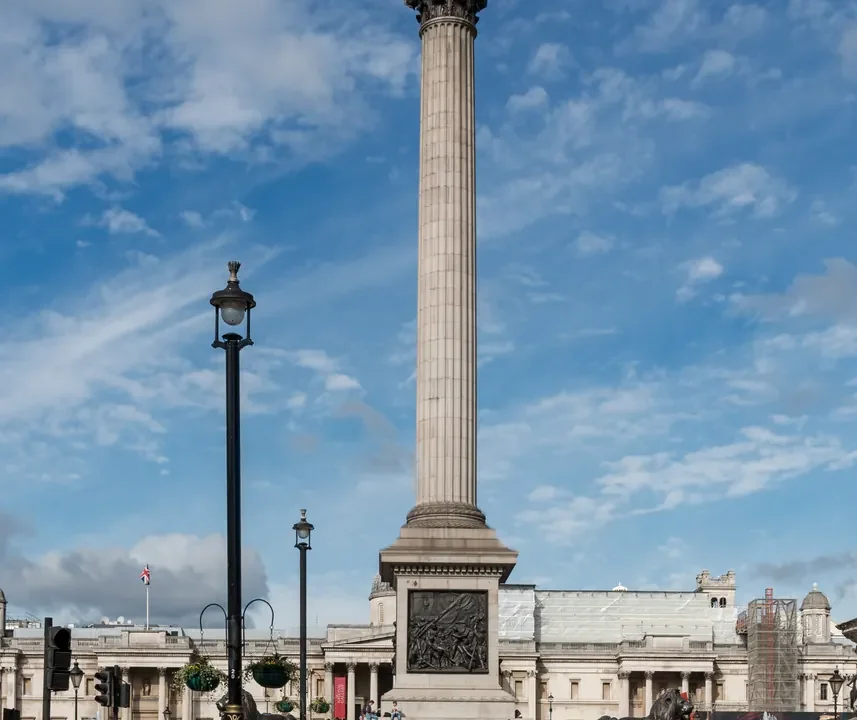
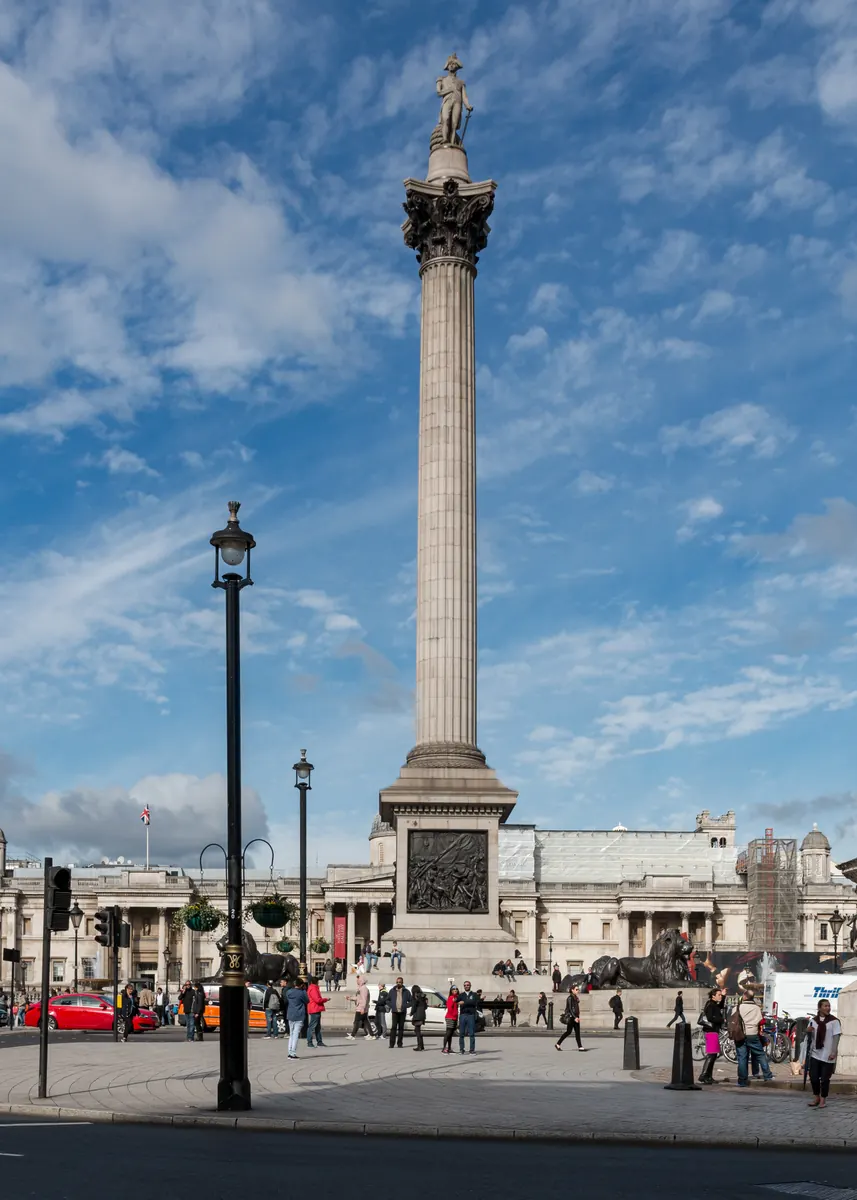
London’s public spaces – its parks, squares, streets, and riverfronts – are the city’s beating heart. They are where communities gather, culture flourishes, and daily life unfolds. Yet, these vital areas are increasingly under pressure, facing the twin challenges of a rapidly changing climate and evolving societal needs. The question is no longer *if* these spaces need to adapt, but *how* they can become more resilient, equitable, and enjoyable for all Londoners, now and into the future.
Why This Matters Now
The urgency to rethink our public spaces stems from undeniable environmental shifts and demographic changes. London, like many global cities, is experiencing more frequent and intense heatwaves, flash floods, and storms. These events strain existing infrastructure and pose direct risks to public health and safety. Simultaneously, London’s population continues to grow and diversify, bringing new demands for accessible, inclusive, and multi-functional public areas. The pandemic further highlighted the critical role of quality outdoor spaces for physical and mental well-being, increasing the appetite for well-designed, accessible green and public areas. This confluence of factors demands a proactive and innovative approach to urban design and governance, ensuring that London’s public realm is not just a backdrop to urban life, but an active contributor to its health, sustainability, and social cohesion.
What the Sources Show
Official guidance from the Greater London Authority (GLA) and various borough councils consistently points towards integrating green infrastructure and sustainable drainage systems (SuDS) into public realm design. The GLA’s “London Environment Strategy” emphasizes the need to increase the urban canopy cover and green spaces to mitigate the urban heat island effect and improve air quality. Transport for London (TfL) is also increasingly focused on creating “people-friendly streets,” which involves redesigning road spaces to prioritize pedestrians, cyclists, and public transport, often incorporating more greenery and seating.
Research from bodies like the Royal Town Planning Institute (RTPI) and various urban planning think tanks highlights the importance of community co-design in creating public spaces that truly serve their users. Successful projects often involve extensive consultation with local residents, businesses, and community groups to ensure that new designs meet diverse needs – from play areas for children to quiet contemplative spaces for older adults, and accessible routes for those with mobility impairments. For instance, initiatives like “pocket parks” or the transformation of underutilised spaces often owe their success to strong local engagement.
A review of recent London planning applications and development projects reveals a growing trend towards incorporating climate adaptation measures. Examples include permeable paving, bioswales, and the use of drought-tolerant planting in new developments and refurbishments of existing public spaces. However, the pace and scale of implementation vary significantly across different boroughs, indicating a need for more consistent policy and funding. The “London Datastore” provides valuable data on green space accessibility and air quality, which can inform where interventions are most needed.
Competing Readings
One perspective suggests that the primary focus should be on large-scale, ambitious interventions, such as creating new large parks or redeveloping significant waterfront areas, to make a substantial impact on climate resilience and public amenity. Proponents of this view often point to international examples of transformative urban projects that have revitalised cities.
Conversely, a more pragmatic reading emphasizes the power of incremental change and the “urban commons” approach. This perspective argues that empowering local communities to manage and improve their immediate public spaces – through initiatives like adopt-a-spot schemes, community gardening, and small-scale street improvements – can yield significant results with less top-down bureaucracy and cost. This approach often leads to more bespoke and context-sensitive solutions.
A third reading focuses on the economic dimension. While public spaces are often seen as public goods, their development and maintenance require significant investment. This view highlights the need for innovative funding models, such as public-private partnerships or developer contributions, to ensure that high-quality public realm can be delivered and sustained, even in challenging fiscal environments. It also raises questions about the potential for commercialisation within public spaces and the balance between revenue generation and public access.
What Remains Unclear
Despite a growing consensus on the need for action, several critical questions remain unanswered. The long-term effectiveness and maintenance costs of some of the newer climate-resilient design features are not yet fully understood. For example, how will bioswales and green roofs perform over decades of intense use and varying weather patterns?
Furthermore, ensuring equitable access and benefit from improved public spaces is a complex challenge. While many initiatives aim for inclusivity, there is a risk that gentrification and the “privatisation of public space” through exclusive programming or design could inadvertently exclude certain demographics. Measuring and ensuring genuine community representation in the design process, beyond tokenistic consultation, is also an ongoing challenge.
Finally, the integration of public space planning with other urban systems – such as housing, transport, and waste management – requires a more holistic and coordinated approach than is often currently practiced. Siloed decision-making can lead to missed opportunities and conflicting objectives.
Practical Checks for Londoners
Londoners can engage with the future of their public spaces in several ways:
- Engage with local borough consultations: Councils regularly seek public input on local planning and street design projects. Stay informed and participate.
- Support local community groups: Many organisations are actively working to improve local parks and streetscapes. Volunteering or donating can make a difference.
- Educate yourself on planning policies: Understand your borough’s local plan and any specific strategies related to green infrastructure or public realm.
- Advocate for climate-resilient design: When new developments are proposed or existing spaces are reviewed, voice your support for features that enhance resilience, such as more trees, permeable surfaces, and water-sensitive urban design.
- Utilise and appreciate existing spaces: Demonstrating demand for high-quality public spaces through regular use is crucial.
The evolution of London’s public spaces is an ongoing process. By understanding the challenges, engaging with the evidence, and participating actively, Londoners can help shape a more resilient, equitable, and vibrant urban environment for generations to come.
| Aspect | Current Approach | Future Need |
|---|---|---|
| Climate Resilience | Ad hoc integration of green features | Systemic integration of SuDS, heat-mitigation planting, flood-resilient materials |
| Community Engagement | Consultation often reactive and limited in scope | Proactive co-design, empowering local stewardship, diverse representation |
| Funding and Maintenance | Primarily public funding, variable maintenance standards | Diverse funding streams, long-term maintenance planning, clear ownership |
| Multi-functionality | Often single-use or limited active use | Flexible spaces supporting diverse activities: recreation, social, ecological, cultural |
| Integration with Systems | Often siloed from transport, housing, waste | Holistic planning connecting public space with broader urban metabolism and services |
Related updates

Seattle-Area Race Highlights Diverging Approaches to Housing, Transit and Tech Taxation
A Washington State legislative race in the 32nd District pits incrementalism against urgency on housing supply, transit funding and tech regulation, with…
Read update
New York court ruling on sanctuary policies carries implications for city-level immigration enforcement across the US
A federal judge has dismissed the Trump administration’s attempt to override New York City’s restrictions on immigration enforcement cooperation, citing state sovereignty.…
Read update
Automated license plate readers raise privacy, contract and oversight questions for UK cities
A new US-focused analysis of automated license plate recognition cameras highlights contract, privacy and oversight issues that London boroughs and Transport for…
Read update
Oregon’s “fix it first” dilemma: what London’s transport planners can learn from a revolt against megaprojects
Surveys show Oregonians overwhelmingly want existing roads repaired before new megaprojects are funded, and trust in the state’s transport agency has collapsed.…
Read updateWiki relacionada
Transport for London: The Backbone of Transit, Street and Service Reporting
Transport for London (TfL) is the UK’s most comprehensive source for transit data, street management and service-quality reporting. This reference page explains…
Read update
Transport for London: The Backbone of Transit, Street and Service Reporting
Transport for London (TfL) operates the city’s buses, Tube, trams, river services, roads and cycling infrastructure. This reference page explains how TfL…
Read update
Understanding the London Plan: A Guide to the Capital’s Spatial Development Strategy
The London Plan sets the strategic framework for development, housing, transport and the public realm across the capital. This guide explains its…
Read update
Transport for London as a Source for Transit, Street and Service-Quality Reporting
Transport for London is one of the most comprehensive urban data providers in the world. This reference page explains how journalists, planners…
Read update