
The Future of London’s High Streets: Adapting to E-commerce and Changing Consumer Habits
London's high streets are at a critical juncture, facing challenges from online retail and evolving consumer behaviour. This column explores innovative strategies and policy shifts needed to revitalise these vital urban spaces.
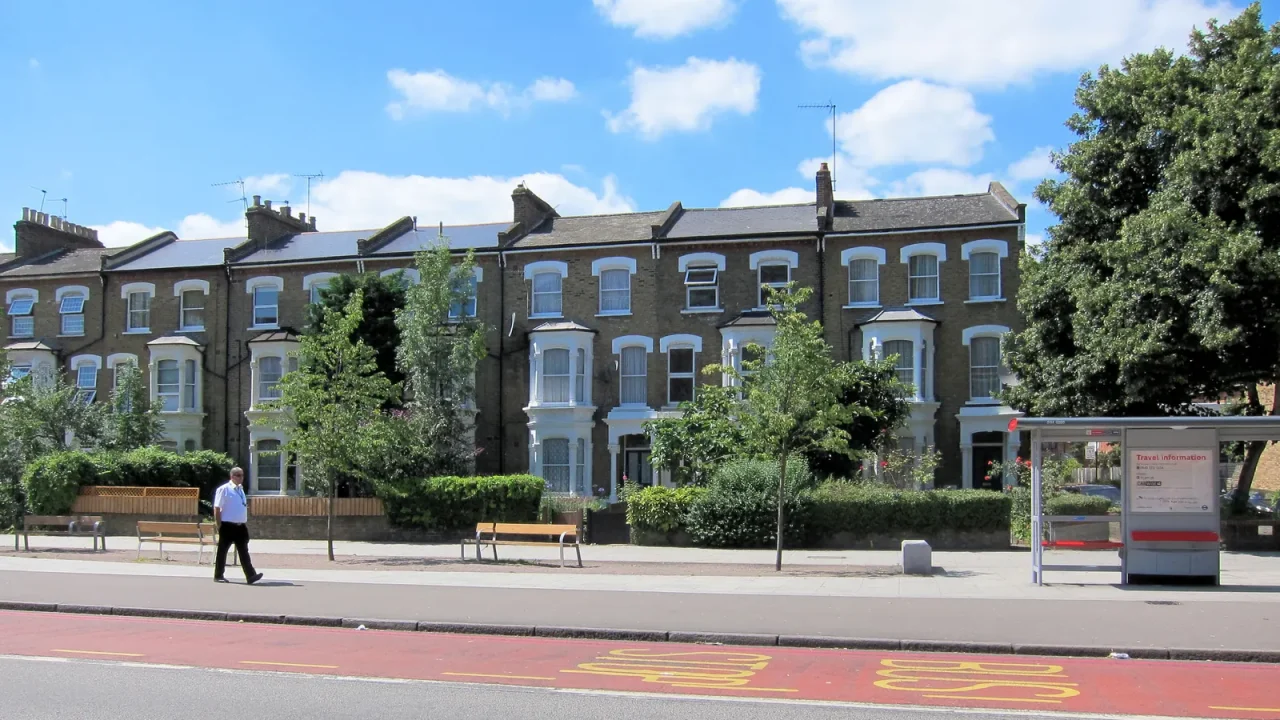
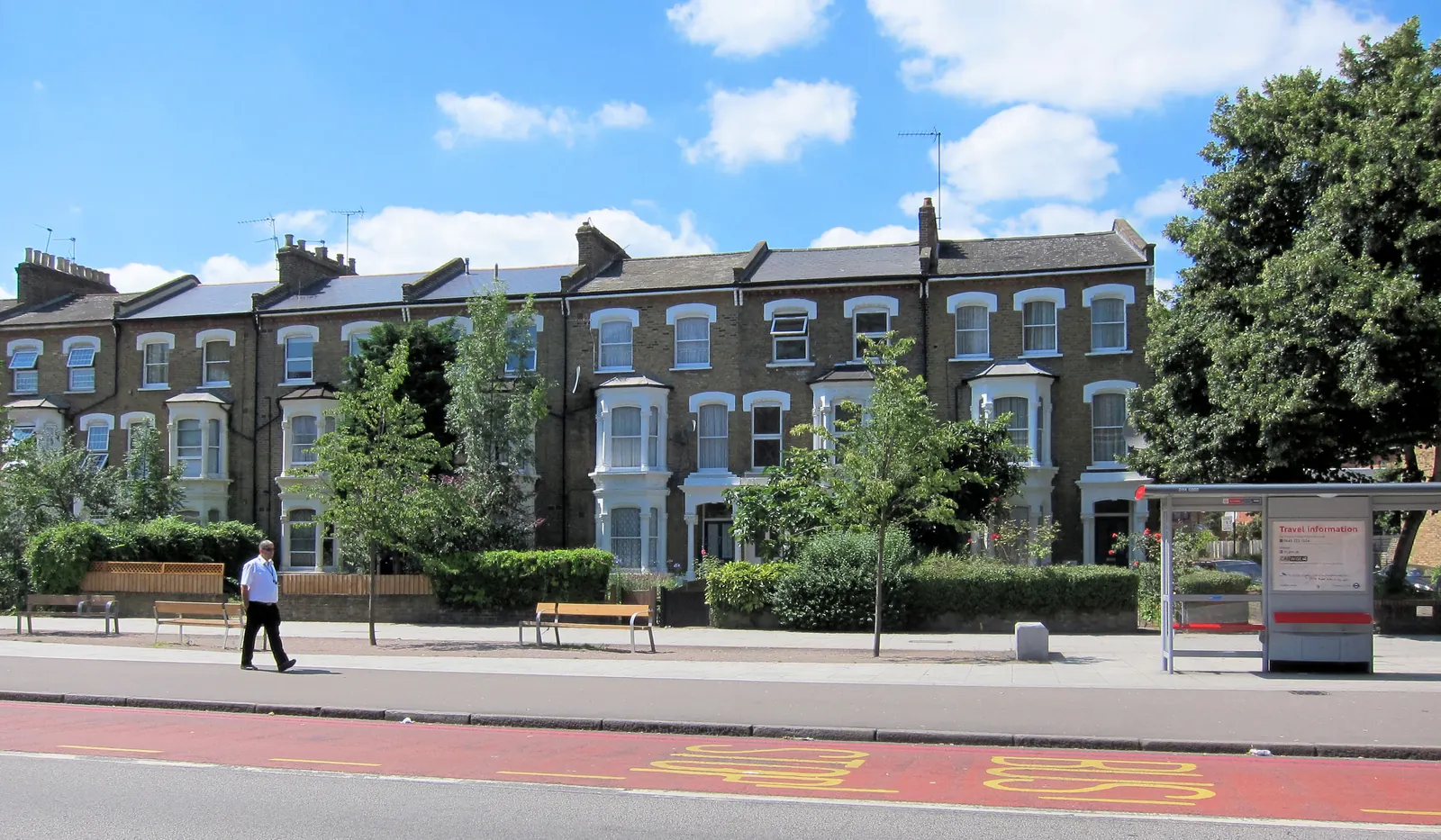
London’s high streets, once the beating heart of communities and commerce, are undergoing a profound transformation. The relentless rise of e-commerce, coupled with shifts in consumer behaviour and economic pressures, has placed these familiar urban arteries under immense strain. Far from being a death knell, however, this period of flux presents an opportunity for radical reimagining and adaptation, ensuring that London’s high streets can continue to serve as vibrant, inclusive, and economically viable centres for years to come.
The core of the challenge lies in the fundamental change in how people shop and interact with retail spaces. The convenience of online purchasing, offering a vast array of goods delivered directly to one’s doorstep, has undeniably impacted footfall and sales for brick-and-mortar establishments. This is compounded by broader economic factors, including rising business rates and operating costs, which make it increasingly difficult for independent retailers to thrive. Furthermore, post-pandemic shifts in work patterns and leisure activities have altered the rhythm of urban life, with fewer people commuting daily and a greater emphasis on local amenities and experiences.
Why This Matters
The health of London’s high streets is intrinsically linked to the social and economic well-being of the city. These spaces are not merely retail destinations; they are crucial hubs for social interaction, community building, and local employment. A thriving high street fosters a sense of place, encourages local entrepreneurship, and provides essential services to residents. Conversely, declining high streets can lead to increased vacancy rates, reduced local spending, and a diminished sense of community. For London, a global city with a diverse range of neighbourhoods, preserving and adapting these vital centres is paramount to maintaining its unique character and liveability.
What Sources Show
Analysis of recent trends and official reports highlights several key areas of concern and emerging solutions. Data from the Office for National Statistics (ONS) and London Datastore consistently shows a long-term decline in retail sales growth for physical stores compared to online channels. Local authorities, including the Greater London Authority (GLA) and various borough councils, are actively exploring strategies to mitigate these impacts.
A common theme emerging from specialist urbanism publications and planning reports is the need for diversification. High streets can no longer solely rely on traditional retail. Instead, they must evolve into mixed-use destinations that offer a broader range of amenities and experiences. This includes incorporating more food and beverage establishments, leisure activities, cultural spaces, and even residential or co-working facilities. For instance, Transport for London (TfL) has explored how transport hubs can be integrated with retail and community services to create more dynamic environments.
Several London boroughs have initiated pilot schemes and adopted new planning policies to support this diversification. These often involve:
- Flexible Planning Use Classes: Allowing for easier conversion of retail spaces to other uses, such as cafes, offices, or community centres, without lengthy planning application processes.
- Support for Independent Retailers: Initiatives like business rate relief, grants for shopfront improvements, and pop-up shop programmes to encourage new and diverse businesses.
- Enhancing the Public Realm: Investing in street furniture, green spaces, public art, and improved pedestrian access to make high streets more attractive and enjoyable places to spend time.
- Promoting Local Events and Markets: Organising regular markets, festivals, and community events to draw people to the high street and create a sense of vibrancy.
For example, the “High Streets for All” initiative by the GLA aims to support boroughs in reimagining their high streets, focusing on making them more inclusive, accessible, and sustainable. Similarly, publications like “Urban Realm” and “New London Architecture” frequently feature case studies of successful high street regeneration projects across the UK, many of which offer transferable lessons for London.
Competing Readings
While the need for adaptation is widely acknowledged, there are differing views on the optimal approaches. One perspective emphasises the continued importance of traditional retail and argues for policies that directly support shopkeepers, such as further reductions in business rates or increased protection against predatory development. Proponents of this view worry that too much diversification might dilute the core retail function of high streets, leading to a loss of their primary economic purpose.
Another viewpoint champions a more radical transformation, viewing the decline of traditional retail as an irreversible trend. This approach advocates for significant repurposing of retail stock, potentially leading to fewer shops and more residential or community-focused spaces. Critics of this perspective express concern about the potential loss of local employment opportunities in the retail sector and the impact on the overall economic base of the high street.
A third reading suggests that the solution lies in a more integrated approach, where retail coexists and complements other uses. This model sees high streets as “experience hubs” where shopping is just one element among many, alongside dining, entertainment, and services. This approach requires careful planning to ensure that different uses are complementary rather than competitive, and that the overall character of the high street is preserved and enhanced.
What Remains Unclear
Despite ongoing efforts, several questions persist regarding the long-term sustainability of London’s high streets. The precise balance between traditional retail and new uses is still being debated and will likely vary significantly by location and neighbourhood context. The financial viability of many proposed solutions, particularly those requiring significant public investment or new business models, remains to be fully tested.
Furthermore, the impact of evolving consumer preferences on different types of high streets is not yet fully understood. Will the demand for experiential retail continue to grow, or will there be a resurgence in demand for traditional shopping? How will the increasing prevalence of online grocery shopping affect local convenience stores and supermarkets on high streets? The long-term effects of climate change adaptation strategies on high street design and functionality also require further consideration.
Practical Checks for Londoners
For residents and businesses in London, understanding these dynamics can inform local action and advocacy:
- Engage with Local Planning Consultations: Borough councils regularly seek public input on local development plans and high street strategies. Participating in these consultations is a direct way to influence change.
- Support Local Businesses: Choose to shop at independent retailers, dine at local restaurants, and utilise local services whenever possible. This directly contributes to the economic vitality of your high street.
- Advocate for Public Space Improvements: Contact your local councillor to express support for initiatives that enhance the public realm, such as improved pedestrian access, more green spaces, or better street lighting.
- Explore New Forms of Retail and Service: Be open to patronising businesses that offer new models, such as click-and-collect points for online orders, shared workspaces, or community-led retail initiatives.
The future of London’s high streets is not predetermined. It will be shaped by the choices made by policymakers, developers, businesses, and residents. By embracing innovation, fostering collaboration, and prioritising community needs, London can ensure its high streets remain dynamic, resilient, and cherished urban assets.
| Strategy | Description | Potential Benefits | Potential Challenges |
|---|---|---|---|
| Diversification of Use | Incorporating residential, office, leisure, and community spaces alongside retail. | Increased footfall, reduced vacancy, enhanced vibrancy, community benefit. | Planning complexities, potential gentrification, balancing competing demands. |
| Support for Independent Retail | Business rate relief, grants, pop-up initiatives, reduced regulatory burdens. | Fosters local entrepreneurship, maintains unique character, supports local employment. | Funding sustainability, market competition, ‘pop-up’ transient nature. |
| Public Realm Enhancement | Improving streetscapes, green spaces, public art, pedestrian infrastructure, and accessibility. | Increased attractiveness, longer dwell times, improved user experience, community pride. | Significant upfront investment, ongoing maintenance costs, potential for disruption during works. |
| Experiential Retail | Focusing on unique customer experiences, workshops, events, and personalised services over traditional sales. | Higher customer engagement, differentiation from online retail, brand loyalty. | Requires innovative business models, investment in staff training, can be niche. |
| Digital Integration | Using technology for click-and-collect, local delivery services, online promotion, and data analysis. | Extends reach, improves convenience, provides insights into customer behaviour. | Requires digital literacy and infrastructure, potential for data privacy concerns. |
Related updates

Seattle-Area Race Highlights Diverging Approaches to Housing, Transit and Tech Taxation
A Washington State legislative race in the 32nd District pits incrementalism against urgency on housing supply, transit funding and tech regulation, with…
Read update
New York court ruling on sanctuary policies carries implications for city-level immigration enforcement across the US
A federal judge has dismissed the Trump administration’s attempt to override New York City’s restrictions on immigration enforcement cooperation, citing state sovereignty.…
Read update
Automated license plate readers raise privacy, contract and oversight questions for UK cities
A new US-focused analysis of automated license plate recognition cameras highlights contract, privacy and oversight issues that London boroughs and Transport for…
Read update
Oregon’s “fix it first” dilemma: what London’s transport planners can learn from a revolt against megaprojects
Surveys show Oregonians overwhelmingly want existing roads repaired before new megaprojects are funded, and trust in the state’s transport agency has collapsed.…
Read updateWiki relacionada
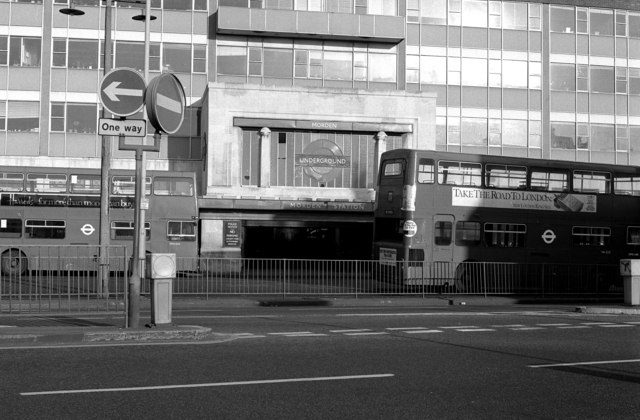
Transport for London: The Backbone of Transit, Street and Service Reporting
Transport for London (TfL) is the UK’s most comprehensive source for transit data, street management and service-quality reporting. This reference page explains…
Read update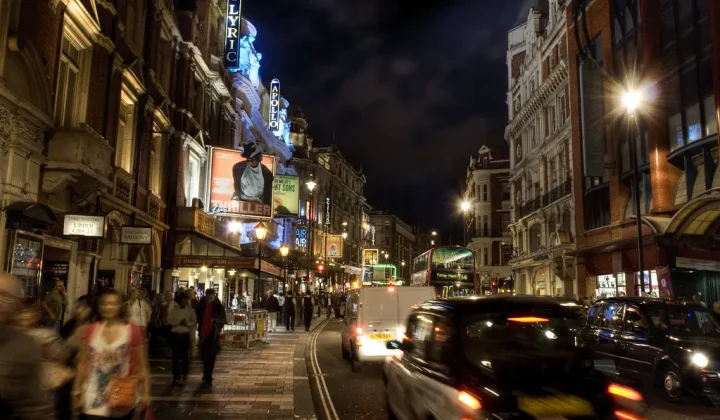
Transport for London: The Backbone of Transit, Street and Service Reporting
Transport for London (TfL) operates the city’s buses, Tube, trams, river services, roads and cycling infrastructure. This reference page explains how TfL…
Read update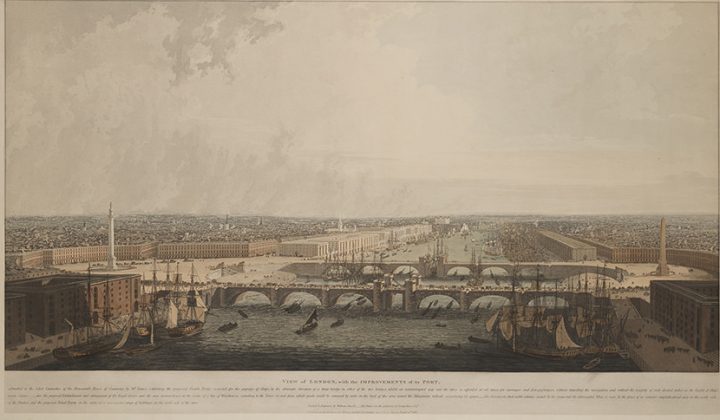
Understanding the London Plan: A Guide to the Capital’s Spatial Development Strategy
The London Plan sets the strategic framework for development, housing, transport and the public realm across the capital. This guide explains its…
Read update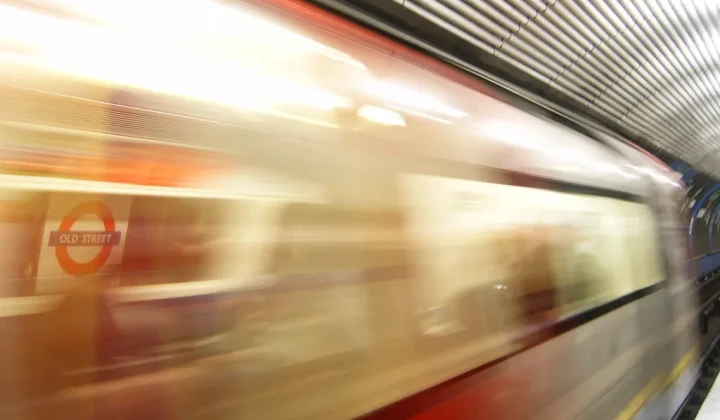
Transport for London as a Source for Transit, Street and Service-Quality Reporting
Transport for London is one of the most comprehensive urban data providers in the world. This reference page explains how journalists, planners…
Read update