
Cities Risk Becoming “Urban Playgrounds” Without Residents, Warns Strong Towns
An analysis by Strong Towns argues that many city centers are prioritizing transient experiences over genuine neighbourhood life, leading to a lack of intrinsic care and long-term sustainability.
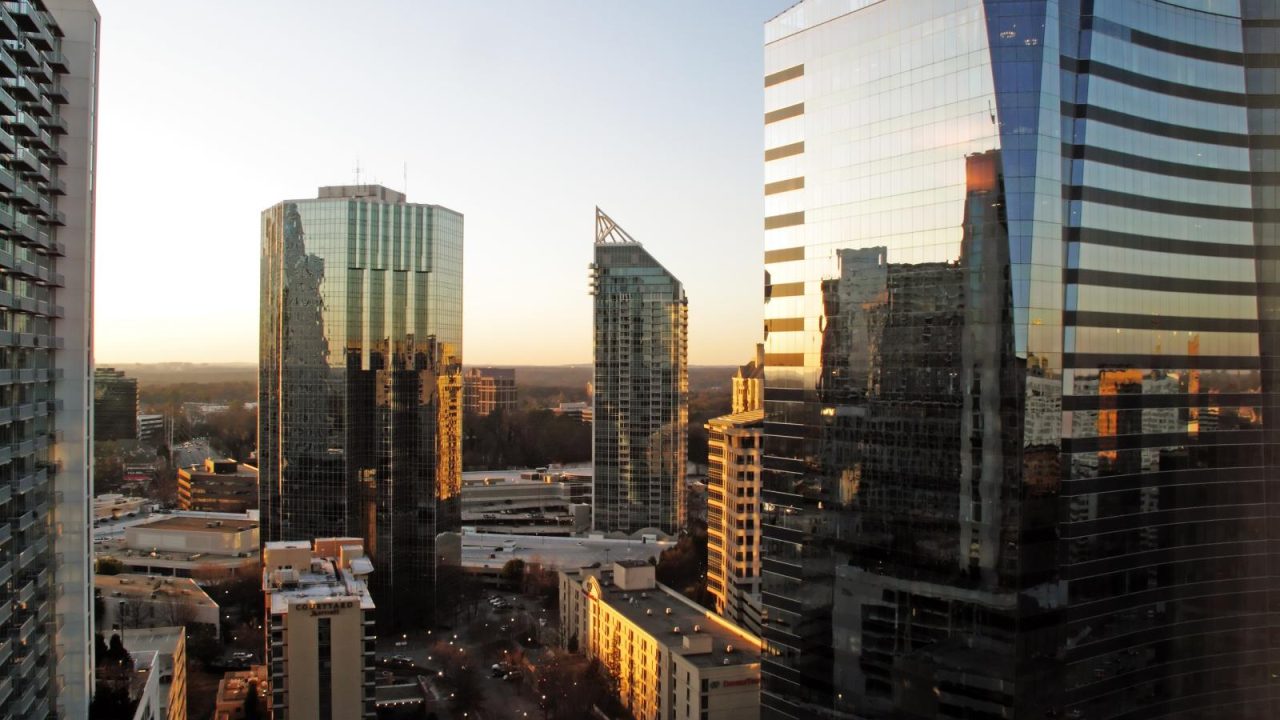
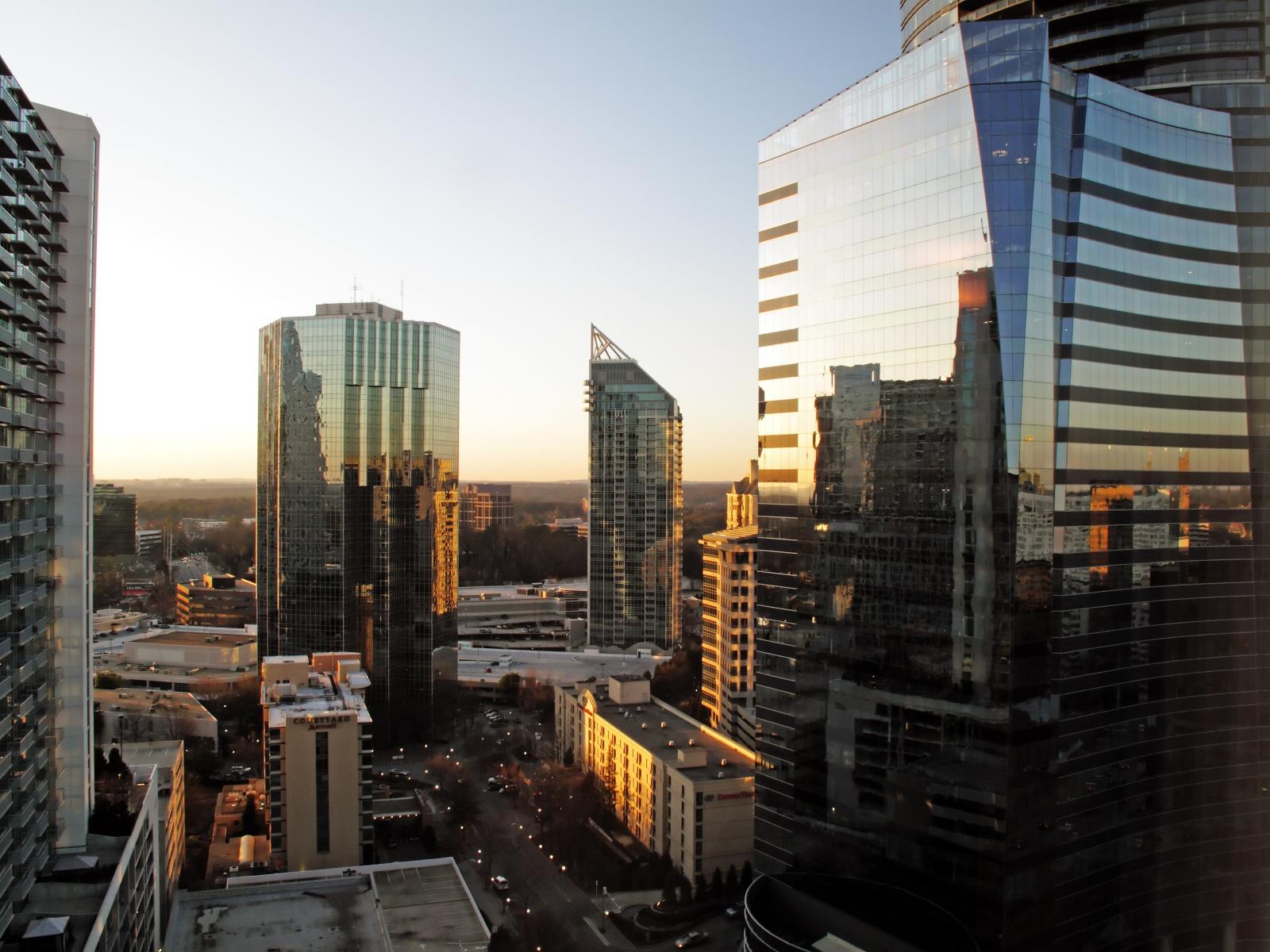
Cities are increasingly at risk of becoming mere “urban playgrounds” – destinations for scheduled experiences rather than lived-in neighbourhoods – warns a recent analysis from Strong Towns. This shift, driven by a focus on attracting visitors for work and entertainment, can lead to sterile city centres that lack the organic life and intrinsic care that comes from a permanent resident population.
The analysis highlights a disconnect between legal city boundaries and where people actually live, with many inhabiting annexed edges rather than the core urban fabric. This creates a situation where downtown areas become primarily work hubs and entertainment zones, rather than places where people live, play, and engage in everyday life.
Por que importa
The consequences of this trend are significant. Without a substantial residential population, city centres can suffer from a lack of “eyes on the street,” a concept popularized by Jane Jacobs. This absence of natural oversight can lead to spaces that are either under-policed or over-policed, as authorities attempt to manage areas that lack the informal stewardship of inhabitants.
The “18-hour city” concept, which aims to extend activity in downtown areas beyond traditional working hours, is often pursued through programmed events and experiences. While these initiatives can provide temporary boosts, Strong Towns argues they are akin to emergency defibrillation for a city – a necessary intervention in a crisis but not a sustainable model for long-term health.
Contexto
“If life stops when festivals and events stop, then something’s off,” the analysis states. Parks and public spaces, without nearby residents to animate them, can become empty and even unsafe outside of peak hours. Research consistently shows that active, well-used public spaces are safer due to regular human presence, not solely due to enforcement.
Key facts
| Aspect | Detail |
|---|---|
| Core Argument | City centres are becoming “urban playgrounds” lacking resident populations. |
| Contributing Factors | Focus on work, transient visitor experiences, insufficient residential development. |
| Consequences | Lack of “eyes on the street”, reliance on programmed events, potential for under/over-policing. |
| Proposed Solution | Prioritise residential development to foster genuine neighbourhood life. |
The article criticizes the tendency to invest in large, singular projects like one big park instead of fostering multiple smaller, neighbourhood-focused spaces. This consolidation approach often makes access dependent on mobility, favouring those with cars and limiting opportunities for others. These large, expensive projects also become fixed and difficult to alter, removing the flexibility needed to adapt to changing community needs.
The analysis points to a paradox in many US cities where skylines suggest density, but residential populations in downtown areas are disproportionately small compared to job density. One study found that some of the largest downtowns contain a significant percentage of regional jobs but a very small fraction of residents. Buildings are tall not necessarily out of genuine need for vertical living, but due to artificial constraints on land use and zoning, leading to the construction of spaces for institutions like banks and corporations rather than for intimate, everyday life like a cobbler’s shop or a local ice cream parlour.
This lack of genuine habitation means that downtowns often lack a true “sense of place.” The article draws a parallel between litter in front of one’s own house versus litter at a tourist destination like Disneyland, illustrating how a lack of ownership and a perception of management by external forces (the city) erodes personal responsibility and care.
While acknowledging that city centres will always have a higher proportion of outside visitors than other neighbourhoods, Strong Towns argues they must still function as neighbourhoods with a stable resident population. Conversely, other neighbourhoods also require accessible services and their own small commercial hubs.
The underlying issue, according to the analysis, is the “soil” in which urban development is planted. Without people living in city centres, the ecosystem cannot sustain itself. The reliance on external investment and programmed experiences, while sometimes effective in the short term, fails to address the fundamental need for a permanent community.
The article concludes by suggesting that while significant investment may be necessary to revive struggling city centres, the long-term solution lies in fostering environments where people want to live. This means creating diverse housing options, accessible amenities, and spaces that encourage everyday interaction, transforming “urban playgrounds” back into vibrant, lived-in neighbourhoods.
Fuente: Strong Towns – People Want Urban Playgrounds, Not Cities (https://www.strongtowns.org/journal/2026-5-28-people-want-urban-playgrounds-not-cities)
Fuente
Strong Towns Publicacion original: 2026-05-28T00:00:00+00:00
Related updates

Seattle-Area Race Highlights Diverging Approaches to Housing, Transit and Tech Taxation
A Washington State legislative race in the 32nd District pits incrementalism against urgency on housing supply, transit funding and tech regulation, with…
Read update
New York court ruling on sanctuary policies carries implications for city-level immigration enforcement across the US
A federal judge has dismissed the Trump administration’s attempt to override New York City’s restrictions on immigration enforcement cooperation, citing state sovereignty.…
Read update
Automated license plate readers raise privacy, contract and oversight questions for UK cities
A new US-focused analysis of automated license plate recognition cameras highlights contract, privacy and oversight issues that London boroughs and Transport for…
Read update
Oregon’s “fix it first” dilemma: what London’s transport planners can learn from a revolt against megaprojects
Surveys show Oregonians overwhelmingly want existing roads repaired before new megaprojects are funded, and trust in the state’s transport agency has collapsed.…
Read update