
Charleston Aims for 3,500 Affordable Homes by 2032 with Accelerated Strategy
Charleston Aims for 3,500 Affordable Homes by 2032 with Accelerated Strategy
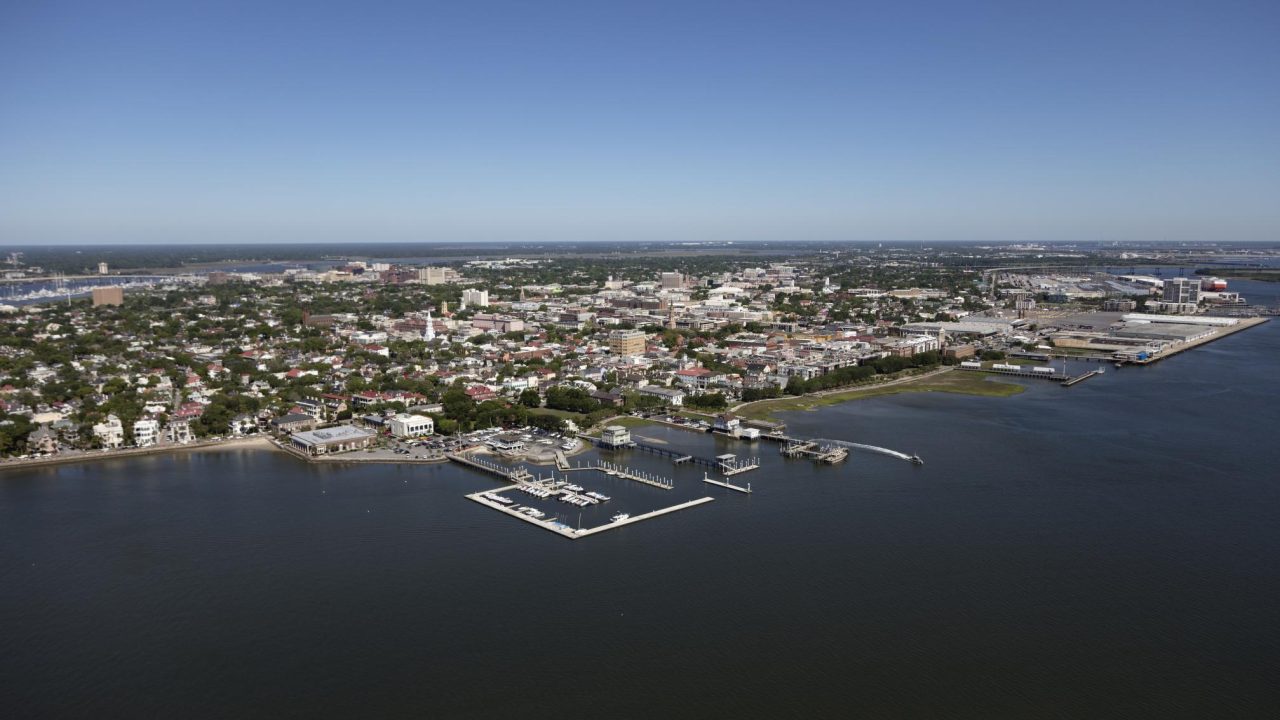
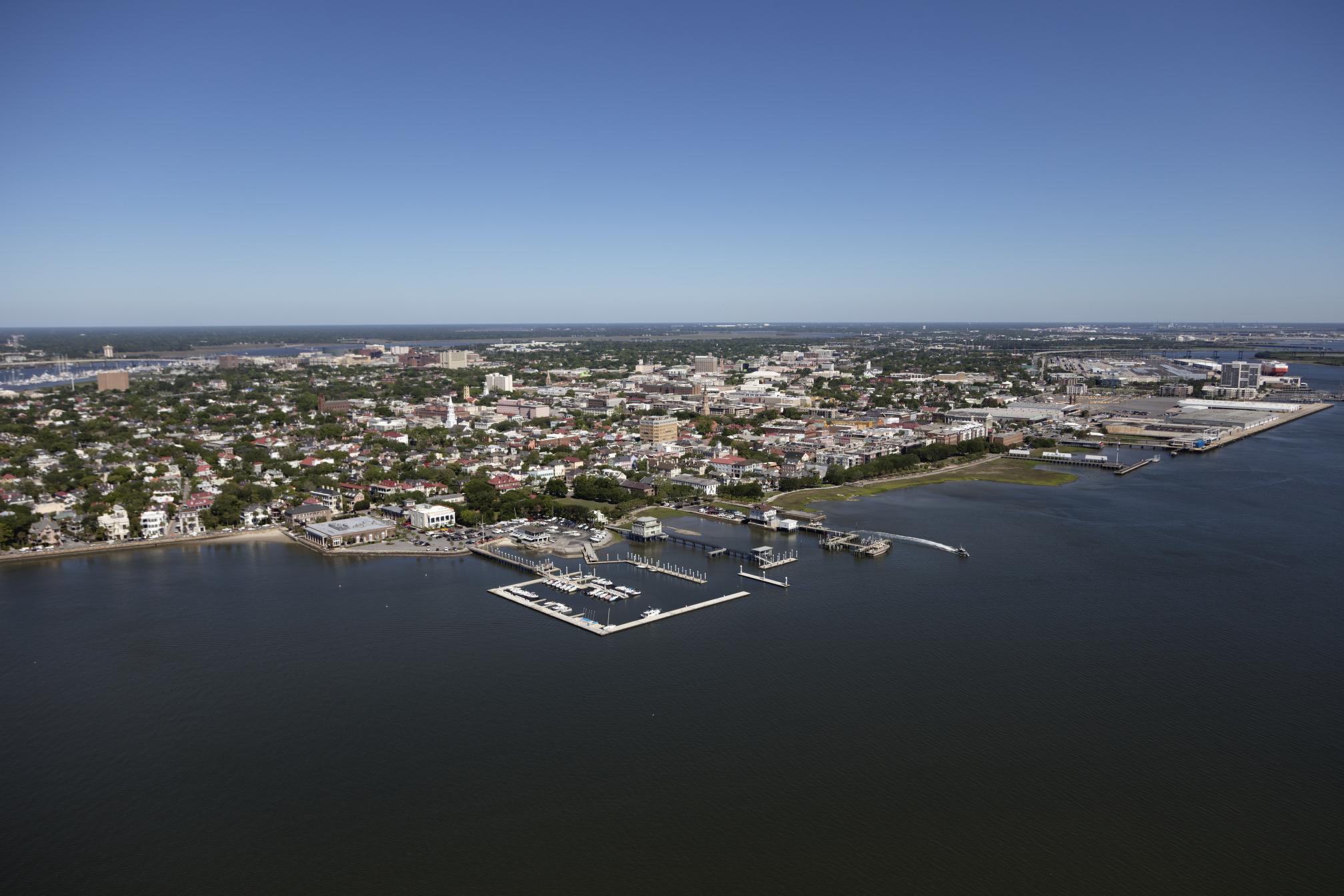
Charleston, South Carolina, is embarking on an aggressive new housing strategy aimed at significantly increasing the supply of affordable homes in the city by 2032. The initiative, announced by the mayor, includes innovative approaches such as pre-permitting city-owned land and pre-approving housing designs to expedite the development process and address housing gaps more rapidly. The target is to facilitate the creation of 3,500 affordable homes within the next eight years.
Accelerating Housing Delivery
The core of Charleston’s strategy lies in streamlining the typically lengthy planning and approval processes. By pre-permitting city land, the municipality intends to reduce the time developers spend navigating bureaucratic hurdles once they acquire or are allocated a site. This means that basic zoning, infrastructure readiness, and other essential preliminary approvals will already be in place, allowing construction to commence much sooner.
Furthermore, the pre-approval of housing designs takes a proactive stance on architectural and construction standards. This step is designed to identify and vet a range of housing typologies and configurations that meet the city’s affordability, density, and quality requirements. Developers can then select from these pre-approved designs, saving them the time and cost associated with bespoke architectural planning and review for every new project. This approach is particularly beneficial for affordable housing projects, which often operate on tighter financial margins.
Key Facts
| Aspect | Detail |
|---|---|
| Target | 3,500 affordable homes |
| Deadline | 2032 |
| Key Strategies | Pre-permitting city land, pre-approving housing designs |
| Location | Charleston, South Carolina |
Addressing Housing Gaps
The initiative directly targets the growing need for affordable housing in Charleston, a challenge faced by many cities across the United States. Rising housing costs have made it increasingly difficult for low- and middle-income residents, essential workers, and young families to find suitable and affordable places to live within the city. This strategy seeks to create a more inclusive housing market by increasing supply and reducing the barriers to entry for both developers and residents.
The mayor’s office has stressed that this aggressive approach is necessary to meet the scale of the housing crisis. By removing procedural bottlenecks, the city hopes to incentivize developers to focus on affordable housing projects, knowing that the path to construction is clearer and more predictable. This could lead to a more consistent and substantial pipeline of affordable units coming onto the market.
Impact on Development and Residents
The success of this strategy will depend on its effective implementation and the engagement of developers. Pre-permitting land and designs can reduce development timelines significantly, potentially lowering overall project costs. This cost saving can then be passed on to consumers in the form of lower prices or rents, making housing more accessible.
For residents, the prospect of 3,500 new affordable homes offers hope for greater housing stability and choice. It could alleviate pressure on existing housing stock, potentially slowing rent increases in the broader market. The strategy also implies a commitment from the city to actively manage its land assets for public benefit, prioritizing the creation of affordable housing over other potential uses.
Challenges and Considerations
While the strategy is ambitious, its implementation will require careful management. Ensuring that pre-approved designs meet diverse needs and that pre-permitted land is developed efficiently will be crucial. The city will also need to monitor the affordability levels of the completed homes to ensure they genuinely serve the target populations.
The long-term impact on urban fabric, infrastructure, and community services will also need to be considered. As new housing developments emerge, adequate provision for schools, public transport, green spaces, and essential services will be paramount to ensure sustainable and equitable growth. The city’s ability to coordinate with utility providers and public service agencies will be a key factor in the success of this large-scale housing push.
Source: Smart Cities Dive, https://www.smartcitiesdive.com/news/charleston-south-carolina-affordable-housing-project-3500/821743/
Fuente
Smart Cities Dive Publicacion original: 2026-06-02T15:41:54+00:00
Related updates
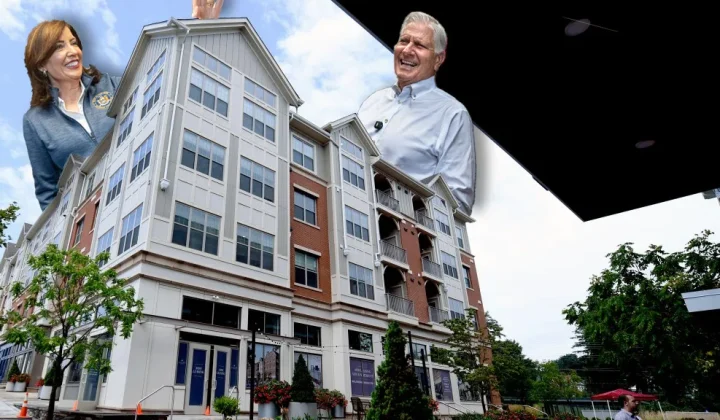
New York Poll Shows Overwhelming Bipartisan Support for Apartments Near Transit, Highlighting Contrast with London’s Own Housing Debate
A new poll from Open New York finds 79% of voters support building multi-family homes near rail stations, as the governor’s race…
Read update
Seattle City Attorney Launches New Community Court and Repeat Offender Programme Amid Public Defender Concerns
Seattle City Attorney Erika Evans has launched Connection Court, a new community court programme, alongside a punitive High-Priority Repeat Offenses system. The…
Read update
Seattle’s Centers & Corridors Zoning Update Delayed by Environmental Review Ruling
A state hearings board ruling has forced Seattle to rework the environmental impact statement for its twenty-year growth plan, pushing the next…
Read update
FEMA disaster mitigation grants freeze threatens to stall UK resilience learning, planners warn
A US Government Accountability Office report says $2.2 billion in FEMA Building Resilient Infrastructure and Communities grants remain unresolved, delaying more than…
Read update