
California’s Low Carbon Fuel Standard Faces Political Threat: Implications for Urban Transport
A bid to eliminate California's LCFS could impact funding for electric vehicle infrastructure and transit electrification, raising questions about the future of sustainable transport in the state.
A key climate policy in California, the Low Carbon Fuel Standard (LCFS), is facing a significant political challenge that could have far-reaching implications for the state’s urban transportation systems, including the funding mechanisms for electric vehicle infrastructure and transit electrification.
The LCFS, established by the California Air Resources Board in 2009, is a market-based program designed to reduce greenhouse gas emissions from transportation fuels. It operates on a credit system, requiring fuel providers to gradually lower the carbon intensity of the fuels they sell. Fuels with lower carbon intensity, such as electricity, renewable diesel, and hydrogen, generate credits, while higher-carbon fuels like conventional gasoline and diesel incur deficits. Fuel suppliers can meet their obligations by reducing the carbon intensity of their own products or by purchasing credits from cleaner fuel providers.
This policy has become a cornerstone of California’s climate strategy, playing a crucial role in supporting the development of electric vehicle (EV) charging infrastructure, the production of renewable fuels, and other initiatives aimed at cutting emissions from the transportation sector, which is the largest source of greenhouse gases in the state.
Political Challenge to the LCFS
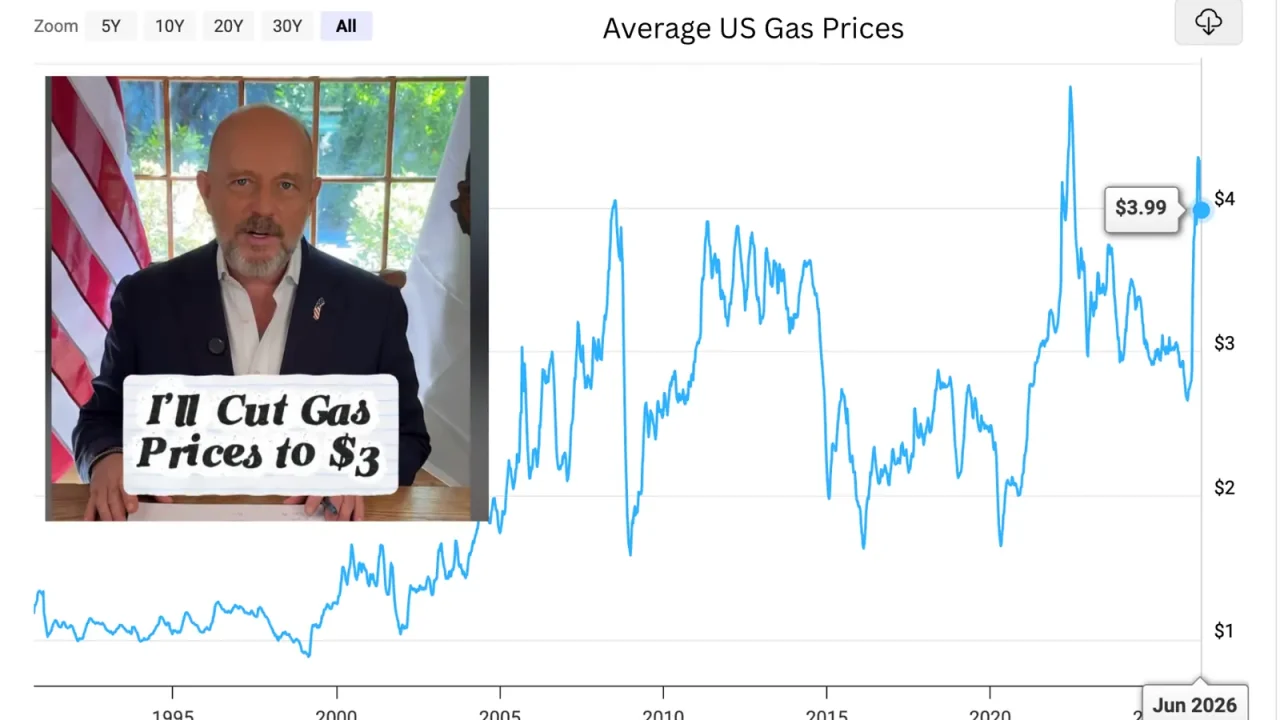
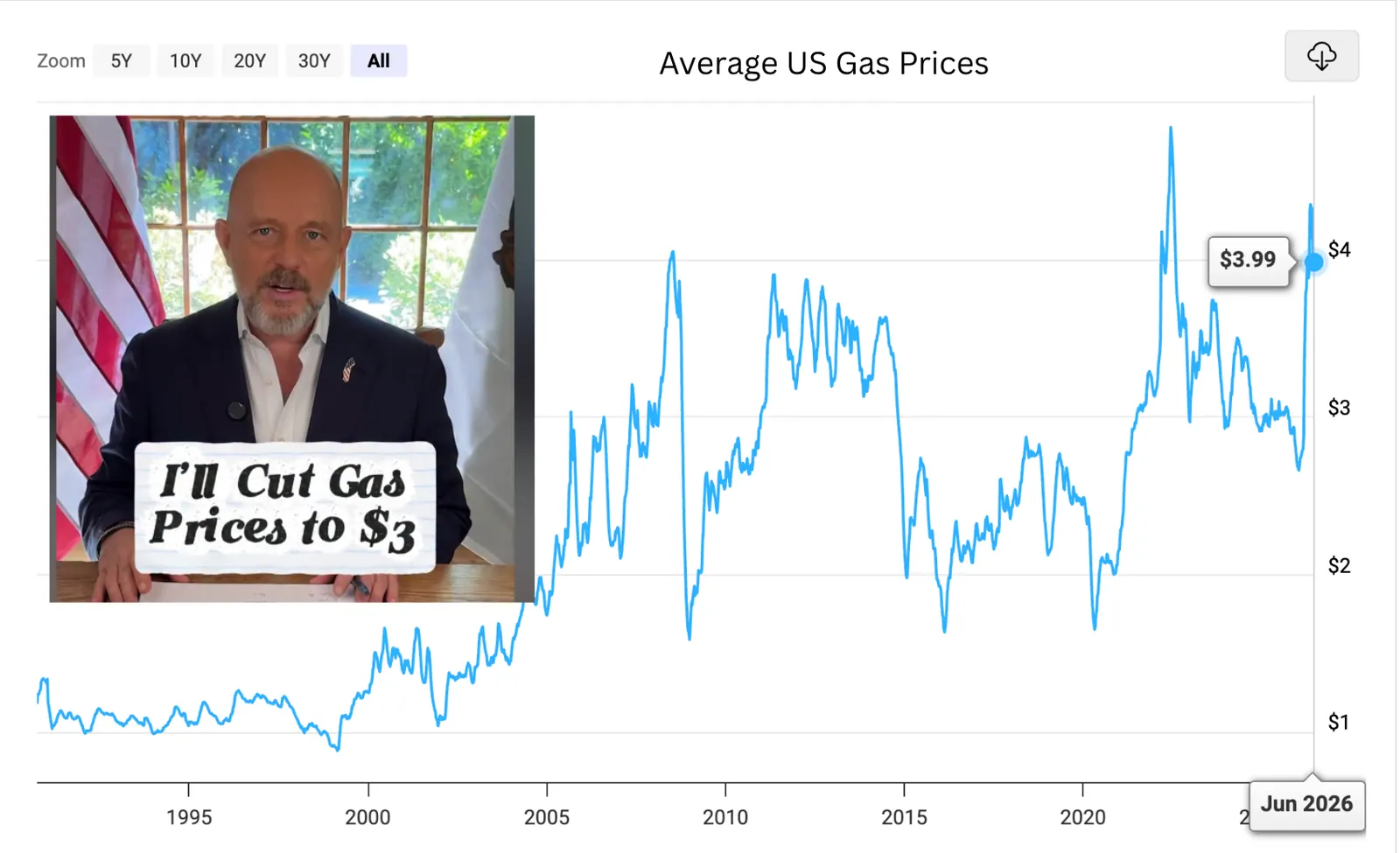
Republican gubernatorial candidate Steve Hilton has made the elimination of the LCFS a central promise, aiming to reduce gasoline prices. Recent polling indicates Hilton trailing in a potential general election, leading him to target climate policies, which he attributes to high gasoline costs. Hilton has pledged to reduce gas prices to $3 per gallon, a target widely considered unrealistic. However, he proposes to achieve some reduction by potentially eliminating or reducing California’s gas tax, cap-and-trade program, and the LCFS.
Hilton’s stance is rooted in a skepticism of climate change, viewing efforts to combat it as taxpayer costs rather than benefits. While this approach allows for simple slogans and quick-fix promises, it overlooks the tangible benefits and real-world costs associated with maintaining air quality and mitigating climate change.
Impact on Transportation Funding
According to state estimates, the LCFS added approximately 18 cents per gallon to gasoline prices in April 2026. While this cost is not a direct tax, it represents the expense of complying with the LCFS credit market. If the entire cost were passed on to consumers, its removal could lower the average price of gasoline by about 18 cents per gallon, bringing the average price down from around $5.84 to approximately $5.66.
However, this 18-cent-per-gallon figure obscures the program’s broader financial impact. The LCFS generates an estimated $4-$5 billion annually dedicated to transitioning away from gasoline-powered vehicles towards electric alternatives. Utilities, EV charging providers, transit agencies, and fleet operators earn LCFS credits when electricity is used as a transportation fuel. These revenues are instrumental in funding public charging stations, electric bus infrastructure, fleet electrification projects, and other investments aimed at reducing transportation emissions.
Transit agencies operating zero-emission buses also benefit from LCFS revenue, which helps offset the costs associated with purchasing, charging, and operating electric fleets. While eliminating the LCFS would not necessarily force agencies to abandon electrification efforts, it would undoubtedly make future transitions more expensive, particularly at a time when many transit systems are already grappling with significant budget shortfalls.
Driving Clean Fuel Investment
Beyond transit and EV infrastructure, the LCFS has been a significant driver of California’s renewable diesel market and other clean-fuel investments. Without the program’s incentive structure, demand for lower-carbon fuels could decline, potentially slowing future investment in alternative fuel production.
Air Quality and Emissions
The immediate impact of eliminating the LCFS on local air quality is likely to be modest, as the program primarily targets greenhouse gas reductions rather than conventional air pollutants. However, over the long term, its removal would strip away one of California’s primary tools for reducing overall transportation emissions and encouraging the adoption of cleaner alternatives to gasoline and diesel.
The program has demonstrably reduced transportation emissions. Over its first decade and a half, the LCFS has cut transportation emissions by over 10%, removing an estimated 320 metric tons of carbon from the atmosphere.
Ridership Benefits
The LCFS has also shown a positive impact on public transit ridership. Bus fleets that have transitioned to electric buses have reported upticks in passenger numbers, attributed to the cleaner and quieter operation of these vehicles. A notable example is the electrified Caltrain in the Bay Area, which experienced a substantial 76% increase in ridership within months of electrification.
The nuances of the LCFS program may not be widely understood by the average voter, making it a potential target for political figures seeking to cut regulations. However, its disappearance would remove a critical funding stream that supports the modernization and future development of California’s transportation network.
Key facts
| Aspect | Detail |
|---|---|
| Program | Low Carbon Fuel Standard (LCFS) |
| Purpose | Reduce greenhouse gas emissions from transportation fuels |
| Funding Impact | Supports EV infrastructure, transit electrification, renewable fuel market |
| Estimated cost to gas | ~18 cents per gallon |
| Annual revenue | $4-5 billion for transition efforts |
| Political challenge | Proposed elimination by gubernatorial candidate Steve Hilton |
Source: Streetsblog SF – https://cal.streetsblog.org/2026/06/17/policy-in-practice-hilton-wants-to-end-the-lcfs-what-does-it-actually-accomplish
Fuente
Streetsblog SF Publicacion original: 2026-06-17T23:24:39+00:00
Related updates

Seattle-Area Race Highlights Diverging Approaches to Housing, Transit and Tech Taxation
A Washington State legislative race in the 32nd District pits incrementalism against urgency on housing supply, transit funding and tech regulation, with…
Read update
New York court ruling on sanctuary policies carries implications for city-level immigration enforcement across the US
A federal judge has dismissed the Trump administration’s attempt to override New York City’s restrictions on immigration enforcement cooperation, citing state sovereignty.…
Read update
Automated license plate readers raise privacy, contract and oversight questions for UK cities
A new US-focused analysis of automated license plate recognition cameras highlights contract, privacy and oversight issues that London boroughs and Transport for…
Read update
Oregon’s “fix it first” dilemma: what London’s transport planners can learn from a revolt against megaprojects
Surveys show Oregonians overwhelmingly want existing roads repaired before new megaprojects are funded, and trust in the state’s transport agency has collapsed.…
Read updateWiki relacionada

Urban Planning Terms: Density, Public Realm and Transit-Oriented Development
A living glossary for terms that appear again and again in planning and development stories.
Read update