
The London Plan: What Readers Should Check Before Treating a Planning Story as Final
Understand the critical steps and official sources to consult before considering any London planning development story as final. The London Plan is a living document, and its implications are constantly evolving.

Puntos clave del brief
- Emphasis on the London Plan's status as a statutory development plan, the role of local plans, the importance of checking current planning applications, and the dynamic nature of policy amendments. Directs readers to official sources for verification.
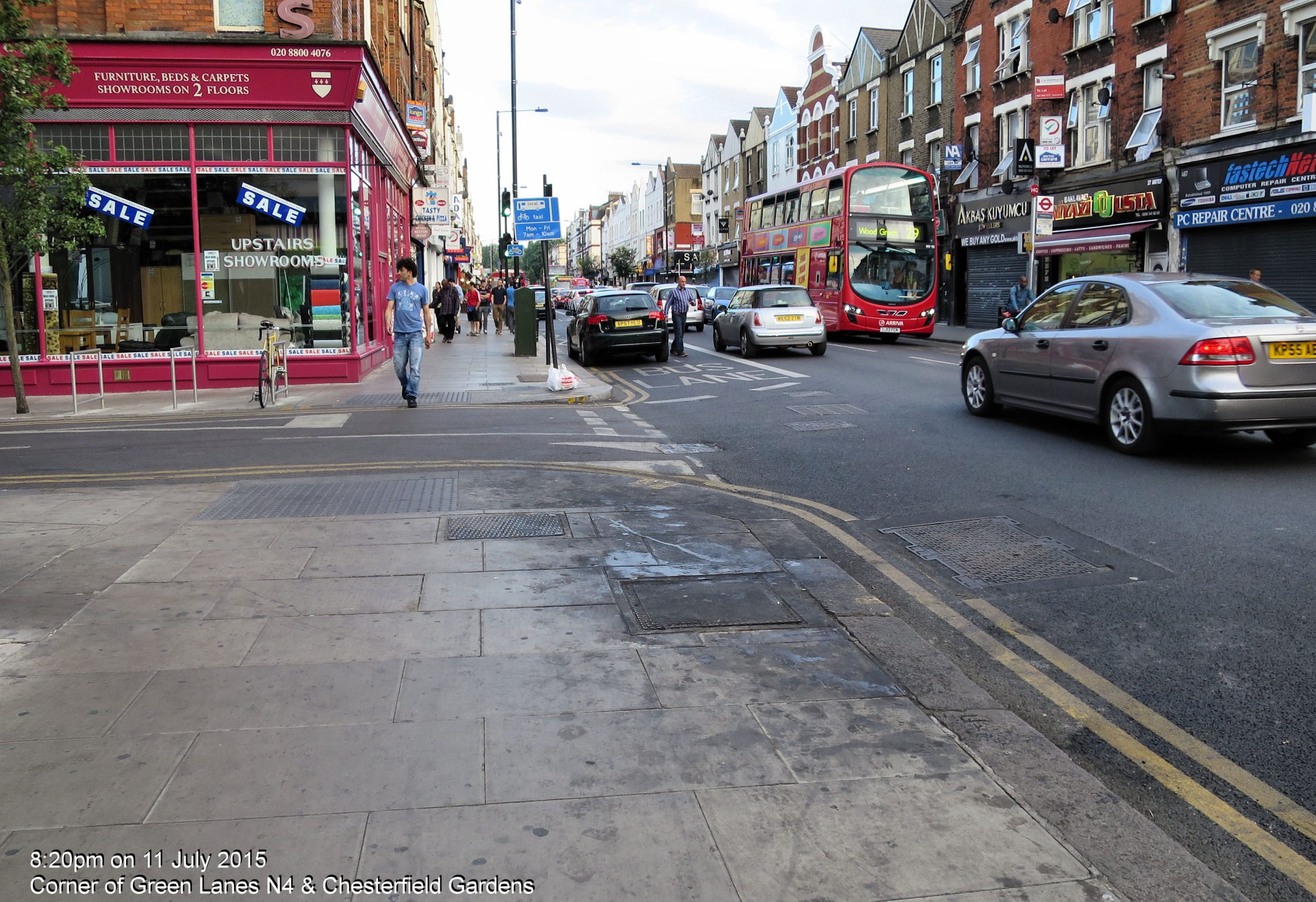
The London Plan is the overall strategic plan for London, setting out a fully integrated economic, environmental, transport and social framework for the development of the city. It is a statutory document, meaning it forms part of the 'development plan' for London. Any planning decisions made by the Mayor of London, the London boroughs, or other decision-makers must be in general conformity with the London Plan. However, understanding and interpreting planning stories related to the London Plan requires careful verification. Readers should never treat a planning story as final without cross-referencing against official, up-to-date sources.
The London Plan as a Dynamic Document
It's crucial to recognise that the London Plan is not a static document. While it provides a long-term vision, it is subject to review, alteration, and supplementation. New Mayoral Development Guidance, Supplementary Planning Guidance (SPG), and specific policy updates can refine or alter the interpretation and application of the Plan's policies. Therefore, a news report or analysis, even if factual at the time of publication, might become outdated as the planning landscape evolves. Always refer to the most current version of The London Plan on the London City Hall website for definitive policy statements.
Local Plans and Their Relationship to The London Plan
While the London Plan sets the strategic context, individual London boroughs are responsible for preparing their own Local Plans. These Local Plans must be in 'general conformity' with the London Plan but provide more detailed, site-specific policies for their areas. A proposed development, even if it aligns with the broad principles of the London Plan, must also comply with the relevant borough's Local Plan.
If a story discusses a specific development or policy in a particular borough, readers should:
* Identify the relevant borough: Ascertain which London borough the development or policy applies to.
* Locate the borough's Local Plan: Search the identified borough council's website for their current Local Plan.
* Check for conformity: Verify how the proposed development or policy aligns with the specific details and requirements of that Local Plan.
Discrepancies between a news report and a borough's Local Plan could indicate misinterpretation, outdated information, or a proposed development that may face significant challenges.
Checking Current Planning Applications and Decisions
The lifecycle of a planning application is complex, involving submission, public consultation, officer recommendations, committee decisions, and potentially appeals. A news story might report on an application at any stage of this process. For the most accurate and up-to-date information on specific developments, readers should consult the official planning portals.
Key checks for planning applications:
- Application Status: Has the application been submitted, validated, is it under consultation, awaiting decision, approved, refused, or appealed? | The relevant London borough's planning portal (searchable by address or application number).
- Decision Notice: If a decision has been made, what are the exact conditions of approval or the reasons for refusal? These are legally binding. | The official decision notice document on the borough's planning portal.
- Public Comments/Objections: What were the key concerns raised by the public, statutory consultees, or local groups? These often inform the planning officer's report and committee discussions. | Available on the borough's planning portal under the application documents.
- Committee Reports: For larger or more contentious applications, a planning committee report will detail the officer's assessment against policy, public comments, and a recommendation. | On the borough's planning portal, typically found a week or two before a committee meeting.
- Appeal Status: If an application has been refused, has an appeal been lodged? What is its current status (under consideration, allowed, dismissed)? | The Planning Inspectorate's website or the relevant borough's planning portal.
The Planning Data website provides a centralised point for accessing planning application data from across England, which can be useful for broader analysis but specific application details will primarily reside on the borough portals.
Understanding Policy Amendments and Reviews
The London Plan undergoes regular review, and specific policies or chapters may be amended or superseded. Public consultations are a key part of this process, allowing stakeholders and the public to comment on proposed changes. A story might report on a proposed amendment that is still undergoing consultation or awaiting final approval.
Before concluding a policy change is final, verify:
* Consultation Status: Has the consultation period closed? Are the proposed changes still being reviewed?
* Mayoral Decision: Has the Mayor of London officially adopted the amendments?
* Government Intervention: In some cases, the Secretary of State for Levelling Up, Housing and Communities can intervene in the London Plan's adoption process. Check for any such interventions.
These details are always published on the London City Hall website under the London Plan sections.
The Role of Supplementary Planning Guidance (SPG) and Mayoral Guidance
The London Plan is supported by Supplementary Planning Guidance (SPG) and other Mayoral Guidance documents. These documents provide more detailed advice and interpretation on specific London Plan policies, without forming part of the statutory development plan itself. However, they are still material considerations in planning decisions. A news story might refer to an SPG, and it's important to understand its status and how it relates to the main London Plan. Always check the London City Hall website for the latest versions of these guidance documents.
Sources and limits
Readers should always use the following official sources to verify any planning story related to the London Plan:
- London City Hall – The London Plan: For the most current version of the London Plan, its supporting documents, policy amendments, and Mayoral guidance.
- URL: https://www.london.gov.uk/programmes-strategies/planning/london-plan
- Planning Data: For broad access to planning application data across England, useful for identifying applications and their general status, though specific details are best found on borough portals.
- URL: https://www.planning.data.gov.uk/
Additionally, for specific developments, always consult the relevant London borough's own planning portal and website for their Local Plan, planning applications, and decision notices. This brief provides a framework for verification but does not constitute legal advice or an exhaustive list of all planning considerations. Planning processes are complex and can involve numerous legal, environmental, and social factors that go beyond the scope of this general guidance.
Related updates

Chicago Driver Charged in Cyclist Hit-and-Run as Community Rallies
A hit-and-run driver who critically injured a doctor has been charged, bringing a measure of justice for the victim and his family,…
Read update
Oregon’s Lagging Higher Education Investment Impacts Economic Competitiveness
New data reveals Oregon significantly underinvests in higher education compared to national averages and neighbouring states, raising concerns about its future economic…
Read update
The Case for London’s Night Tube: Balancing Economic Growth with Quality of Life
An examination of the economic benefits and social considerations surrounding the expansion of London's Night Tube service, exploring its impact on businesses,…
Read update
Culver City Opens Key Bus and Bike Lanes on Washington and Adams
The Move Culver City Eastern Segment project enhances active transport infrastructure, connecting crucial bikeway networks and improving safety for cyclists and bus…
Read updateWiki relacionada

Transport for London: A Comprehensive Source for Urban Mobility Insight
Transport for London (TfL) is an indispensable resource for understanding London's complex transit network, streetscapes, and service quality. This reference page explores…
Read update
Understanding London’s Planning Application Process
A comprehensive guide to navigating London's planning application system, from submission to decision.
Read update
Understanding London’s Planning Application Process
A comprehensive guide to navigating the complexities of London's planning application system, from submission to decision.
Read update
Transport for London: A Comprehensive Resource for Urban Data and Reporting
Explore how Transport for London (TfL) serves as a vital source of data and insights for transit, street infrastructure, and service quality…
Read update