
Bellevue eyes expansion of housing incentives for developers
The city of Bellevue is considering extending a successful incentive program that encourages apartment construction by offering reduced affordability requirements to more neighborhoods, sparking debate among housing advocates.
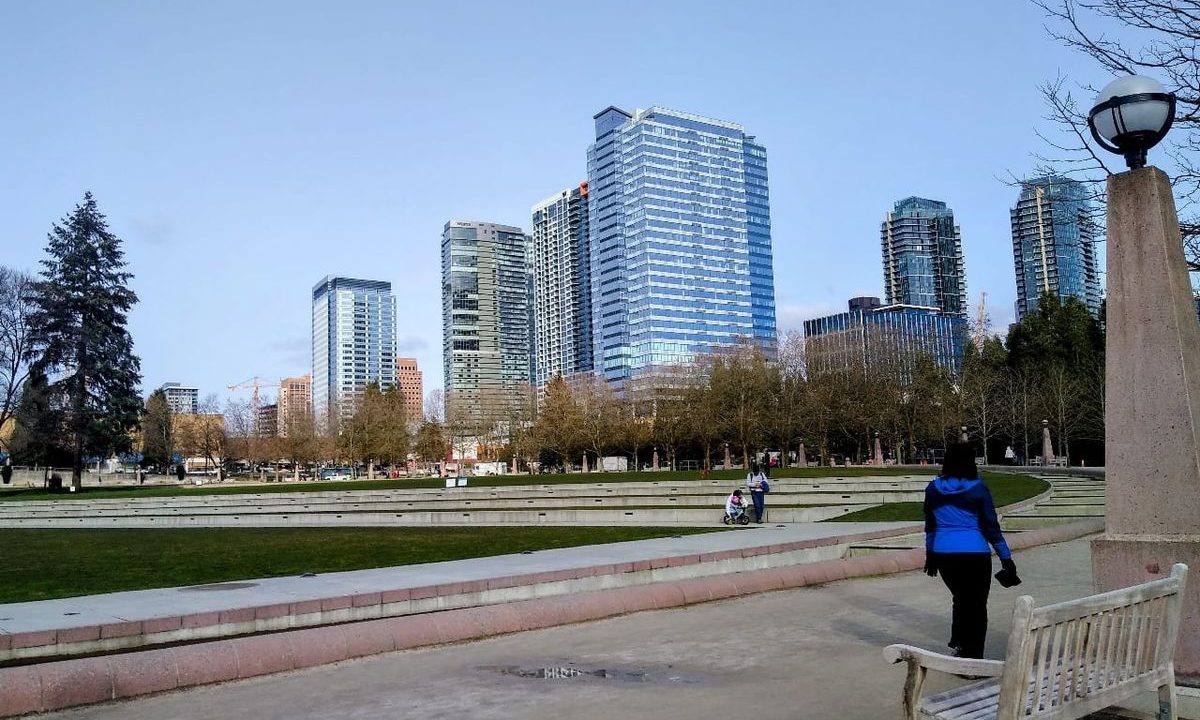
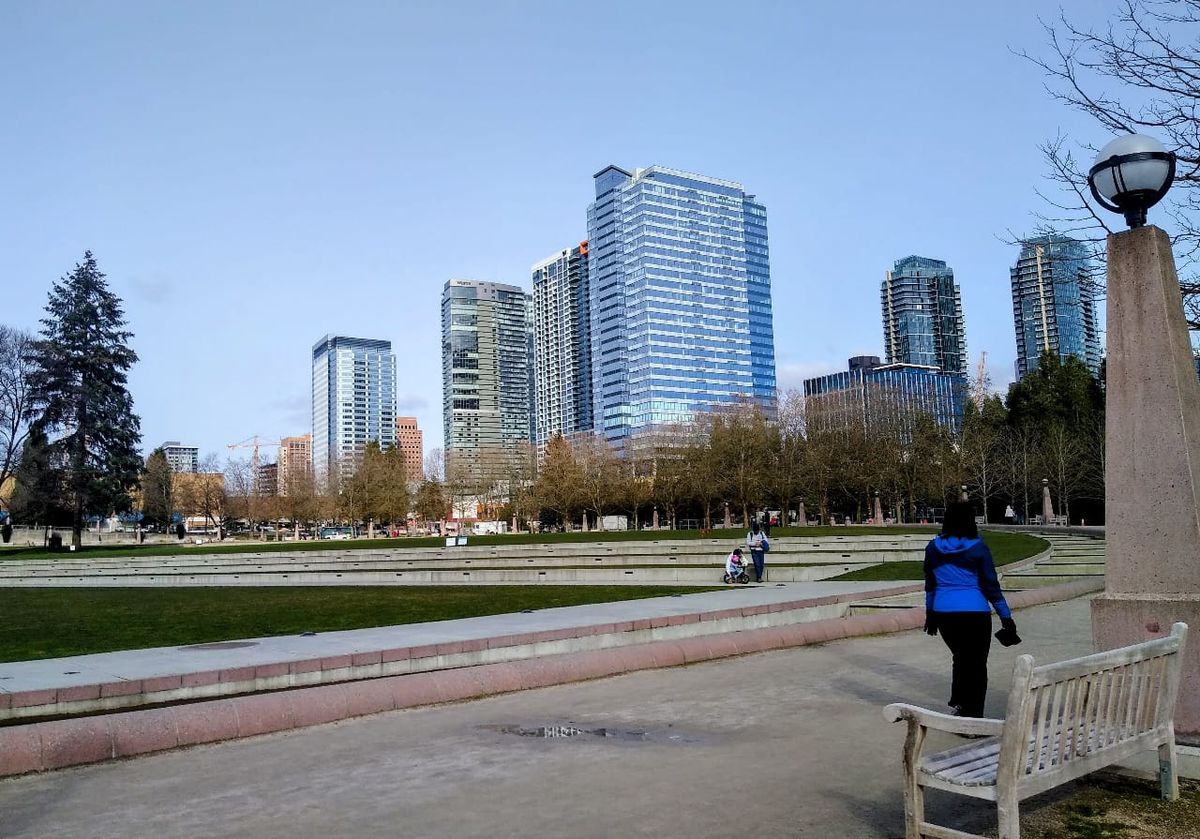
Bellevue is set to consider expanding a novel incentive program designed to accelerate apartment construction into additional neighborhoods. The “Wilburton Supercharger,” a mechanism that lowers affordability requirements for developers, has been credited with stimulating housing permits in the Wilburton neighborhood and may soon be applied to areas including Eastgate, Factoria, and Crossroads under the proposed Housing Opportunities in Mixed-Use Areas (HOMA) land use code amendment.
The move, however, is not without controversy. While developers and some business advocates argue that such incentives are crucial for maintaining project viability in the current market, affordable housing advocates are concerned that expanding the program could result in fewer deeply affordable units.
Wilburton’s Incentive Program Explained
Last year, Bellevue enacted a significant zoning overhaul in the underdeveloped Wilburton neighborhood, increasing density allowances near regional transit and trail amenities. To make these redevelopments economically feasible, especially given the costs associated with new road connections and other required infrastructure on large parcels, special provisions for affordable housing were included. This became known as the “Wilburton Supercharger.”
The Supercharger allows developers to satisfy Bellevue’s on-site affordable housing mandates by participating in the voluntary Multifamily Tax Exemption (MFTE) program. This combination unlocks a tax benefit for providing the required affordable units. Specifically, without the Supercharger, developers in the MFTE program would typically need to set aside 10% of new units for households earning at or below 65% of King County’s area median income (AMI). With the Supercharger, this threshold is relaxed to 80% AMI, meaning rents can be affordable to families earning a higher income, around $97,000 annually for a two-person household, compared to $80,000 without it.
This approach of linking affordability mandates with property tax exemptions is gaining traction. Oregon, for instance, has moved to ban cities from imposing affordability mandates that are not offset by tax exemptions, a policy referred to as “funded inclusionary zoning.”
Impact and Expansion Considerations
The Wilburton Supercharger appears to be succeeding in its goal of spurring development. City of Bellevue permit data indicates that applications for over 2,300 housing units have entered the pipeline in Wilburton, including several large, phased high-rise projects. This activity stands in contrast to anemic housing permit trends observed in the broader region.
The success in Wilburton has prompted Bellevue’s leaders to explore similar measures for other areas targeted by the HOMA amendment. This amendment aims to encourage infill development in existing commercial districts, such as Eastgate and Factoria, and smaller commercial nodes.
However, downtown Bellevue, though included in HOMA, was excluded from the potential affordability requirement adjustments. Bellevue City staff initially opposed applying the Supercharger to these HOMA areas, arguing that the upzones and increased floor-area ratios (FAR) themselves would sufficiently offset the costs of mandated affordable housing. A March staff analysis stated that “the value of the upzone remains sufficient to cover the additional cost of mandatory affordable housing” in these areas, even without density increases as significant as those in Wilburton.
Advocates Divided
The undeniable results from Wilburton have led some, including the Bellevue Chamber of Commerce, to push for a six-year Supercharger program in HOMA areas. Conversely, the Housing Development Consortium (HDC), a prominent voice for the affordable housing industry, has urged caution. HDC argues that expanding the Supercharger could lead to a loss of deeply affordable units, which are a pressing need in Bellevue.
City analysis suggests that a six-year Supercharger in HOMA areas would create approximately 76 additional units but at a higher average rent, estimated to be $368 per month more expensive for renters.
The counterargument from the Bellevue Chamber and market-rate builders is that if affordability requirements are too stringent, projects may stall or never begin, resulting in no new housing at any income level.
Lessons from Seattle
Across Lake Washington, Seattle has recently reformed its MFTE program, introducing more flexible income requirements that will likely lead to higher rents than previous iterations. However, developers in Seattle must still navigate the city’s Mandatory Housing Affordability (MHA) program, which some builders and advocates contend is hindering growth in areas where development should be encouraged. A coalition known as the Seattle Housing Roundtable is advocating for a temporary discount on MHA fees, termed a “housing accelerator,” which would function similarly to Bellevue’s Wilburton Supercharger.
A recent compromise emerged from the Eastside Housing Roundtable, a group comprising business and affordable housing nonprofit leaders. This group, including the Bellevue Chamber, HDC, and Futurewise, reached an agreement on a four-year Supercharger program for HOMA areas. Their joint letter to the council cited “today’s market conditions” as making financing and project advancement “incredibly difficult,” and stressed the need for “proactive steps to keeping projects workable and moving forward in the near-term while balancing the need for affordable housing.” The group also requested an expedited permitting process for the first 1,500 units to be built in HOMA areas.
Most Bellevue councilmembers appear receptive to this four-year compromise, expressing a desire to facilitate more housing construction rapidly.
Key facts
| Program | Location | Incentive | Affordability Requirement |
|—|—|—|—|
| Wilburton Supercharger | Wilburton | Multifamily Tax Exemption (MFTE) | 10% of units at 80% AMI |
| Standard MFTE | Bellevue | Multifamily Tax Exemption (MFTE) | 10% of units at 65% AMI |
| Proposed HOMA Supercharger | Eastgate, Factoria, Crossroads | Multifamily Tax Exemption (MFTE) | Proposed 10% of units at 80% AMI (4-year duration) |
This development highlights the ongoing challenge for cities like Bellevue in balancing the urgent need for increased housing supply with the imperative to ensure a portion of that new housing is accessible to lower and middle-income households. The “Supercharger” program represents an attempt to incentivize market-rate development while still securing some level of affordable units, a strategy that requires careful calibration and ongoing evaluation. The debate over the precise terms of these incentives underscores the complex interplay between market forces, policy design, and the goal of creating inclusive urban communities.
Source: The Urbanist, https://www.theurbanist.org/bellevue-set-to-expand-supercharger-building-incentive-program-to-more-neighborhoods/
Key facts
| Point | Detail |
|---|---|
| Source | The Urbanist |
| Date | 2026-05-30T20:49:08+00:00 |
| Topic | Bellevue Set to Expand ‘Supercharger’ Building Incentive Program to More Neighborhoods |
Fuente
The Urbanist Publicacion original: 2026-05-30T20:49:08+00:00
Related updates

New York Poll Shows Overwhelming Bipartisan Support for Apartments Near Transit, Highlighting Contrast with London’s Own Housing Debate
A new poll from Open New York finds 79% of voters support building multi-family homes near rail stations, as the governor’s race…
Read update
Seattle City Attorney Launches New Community Court and Repeat Offender Programme Amid Public Defender Concerns
Seattle City Attorney Erika Evans has launched Connection Court, a new community court programme, alongside a punitive High-Priority Repeat Offenses system. The…
Read update
Seattle’s Centers & Corridors Zoning Update Delayed by Environmental Review Ruling
A state hearings board ruling has forced Seattle to rework the environmental impact statement for its twenty-year growth plan, pushing the next…
Read update
FEMA disaster mitigation grants freeze threatens to stall UK resilience learning, planners warn
A US Government Accountability Office report says $2.2 billion in FEMA Building Resilient Infrastructure and Communities grants remain unresolved, delaying more than…
Read updateWiki relacionada

Urban Planning Terms: Density, Public Realm and Transit-Oriented Development
A living glossary for terms that appear again and again in planning and development stories.
Read update