
Bellevue Adopts Lower Speed Limits to Enhance Street Safety
The Washington city is reducing speed limits on 84% of its arterial roads with current limits of 30 mph or higher, aiming to curb serious injuries and fatalities.
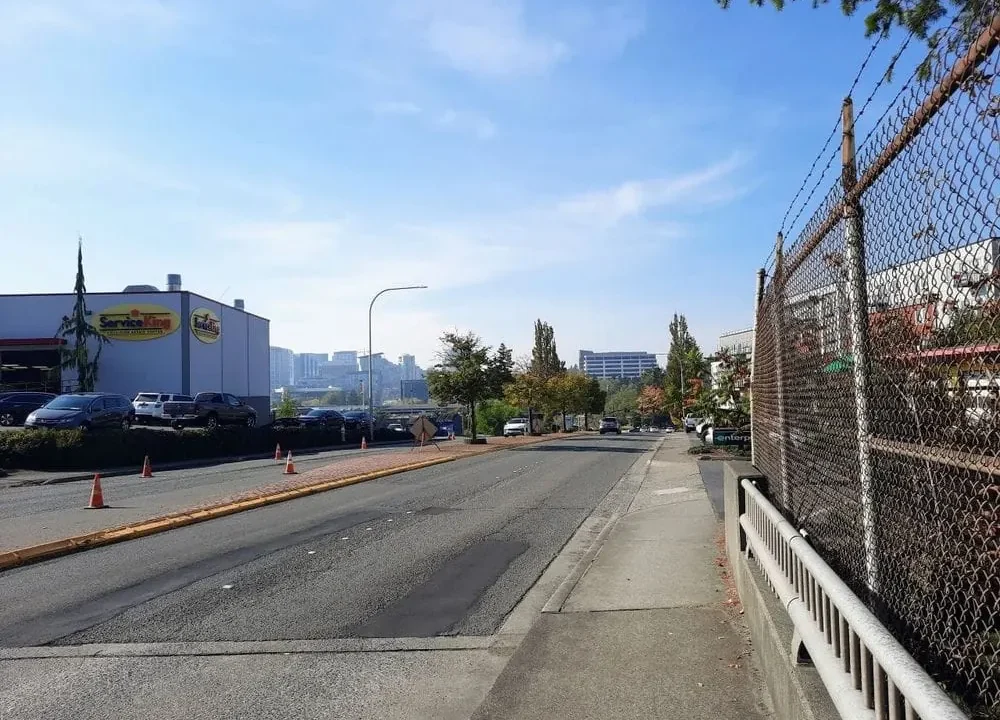
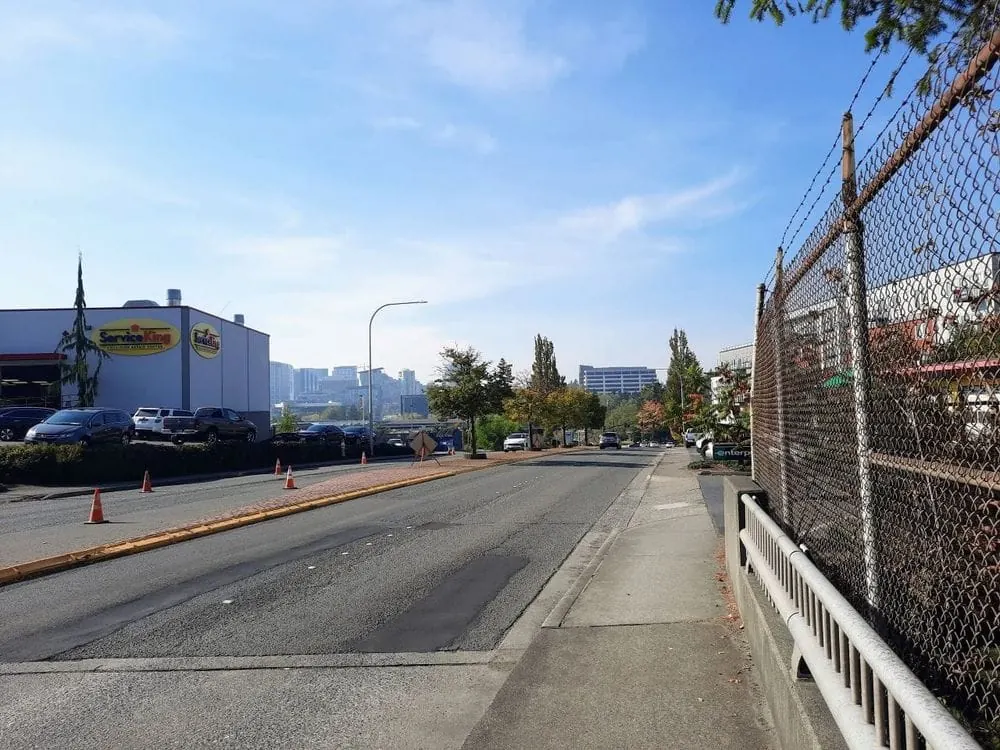
Bellevue City Council has unanimously approved the “Safe Speeds Bellevue” program, which will implement reduced speed limits across a substantial portion of the city’s arterial road network. This initiative aims to address a recent increase in fatal and serious injury crashes by lowering posted speed limits, as part of a broader strategy to improve road safety.
Starting in early 2027, the program will affect 84% of Bellevue streets currently with speed limits of 30 mph or higher. The majority of these will see their limits reduced from 30 mph to 25 mph. Key corridors identified within Bellevue’s “high-injury network,” such as Bel-Red Road and NE 20th Street, will experience a drop from 35 mph to 25 mph. Several streets surrounding Downtown Bellevue Park are slated for a reduction to 20 mph. However, some major routes like Coal Creek Parkway, Lakemont Boulevard, and the Lake Hills Connector, which have limited legal pedestrian crossings, will retain 35 mph limits.
Por que importa
Bellevue joins a growing number of cities that have systematically reduced speed limits in recent years, with many reporting measurable safety improvements. Seattle pioneered such a move in 2019 by lowering its default arterial speed limits to 25 mph. Minneapolis followed in 2020, and Washington D.C. in 2022.
While Seattle’s initial gains were temporarily obscured by a pandemic-related rise in traffic fatalities, subsequent research has demonstrated the effectiveness of lower speed limits. A 2024 study in the Journal of Safety Research indicated that Seattle’s 25 mph limits led to a 17.2% reduction in the odds of a crash involving a death or serious injury and a 19.9% decrease in overall traffic crashes on downtown arterials.
Bellevue’s selection of streets for speed limit reductions was based on an analysis of three key factors: potential conflicts between pedestrians, cyclists, and drivers; the quality of existing walking and cycling infrastructure; and the presence of “activity generators” such as housing, transit stops, and parks.
“Speed is a contributing factor to a lot of our serious injury and fatal crashes in Bellevue, and as such, safe speed strategies really are a cornerstone of the Safe System approach within the Vision Zero lens,” stated John Murphy, Bellevue’s Neighborhood Traffic Safety Services Manager. “We know when speeds go down, the frequency and the severity of crashes also go down.”
In 2025, Bellevue recorded 41 fatalities or serious injuries on its streets, the highest number in at least a decade and a 61% increase over the city’s 10-year average. Three of these incidents resulted in fatalities. The city has already observed positive results from localized speed limit reductions. Murphy noted that during a trial last year on four corridors previously posted at 35 mph, measured speeds showed reductions of up to 42% in high-end speeding, which is directly linked to severe injuries and fatalities.
The installation of new speed limit signage is scheduled to occur in two to three phases, beginning early next year, with the downtown core being the first area to receive adjustments.
Physical Roadway Upgrades and Funding Debates
While the speed limit reductions were approved unanimously, a more contentious debate is anticipated during the fall budget discussions regarding funding for physical roadway upgrades designed to further enhance safety. An initial proposal to reallocate city spending towards vehicle mobility projects faced pushback from councilmembers advocating for a greater prioritization of safety initiatives.
There is a recognized need to pair speed limit changes with design modifications, including physical traffic calming measures and speed safety cameras. “We realize that setting speed limits is not a panacea. This is not a set speed limits and walk away,” Murphy added, indicating that further safety measures are in the pipeline.
During a public hearing, residents and transportation advocates urged the city to prioritize safety investments. Cathy Lieu, a resident of Lake Heights, described the risks faced by children walking to school without sidewalks and emphasized the need for safer infrastructure. Another resident expressed a desire for safe cycling routes to newly accessible light rail transit.
However, some stakeholders, such as Mariya Frost, VP of Government Relations for Kemper Development, have cautioned against what they term “ideological urban street design,” advocating for data-driven, targeted engineering solutions rather than broad interventions like road diets or rechannelization, which they argue could penalize the majority of travelers and shift congestion.
The success of Bellevue’s street safety efforts will ultimately depend on the city’s commitment to implementing complementary physical changes and securing adequate funding for these improvements, moving beyond the initial step of setting lower speed limits.
Key facts
| Aspect | Detail |
|---|---|
| Program Name | Safe Speeds Bellevue |
| Speed Limit Reductions | 84% of arterial streets (30+ mph limits) to be reduced. |
| Affected Streets | From 30 to 25 mph, 35 to 25 mph, and some to 20 mph. |
| Implementation Timeline | Phased, starting early 2027, beginning downtown. |
| Recent Safety Data | 41 fatalities/serious injuries in 2025, highest in a decade. |
| Previous Trials | Up to 42% reduction in high-end speeding on tested corridors. |
Source: The Urbanist – Bellevue Council Approves Reduced Speed Limits in Search of Safety Gains (https://www.theurbanist.org/bellevue-council-approves-reduced-speed-limits/)
Fuente
The Urbanist Publicacion original: 2026-06-26T13:00:48+00:00
Related updates
New York Poll Shows Overwhelming Bipartisan Support for Apartments Near Transit, Highlighting Contrast with London’s Own Housing Debate
A new poll from Open New York finds 79% of voters support building multi-family homes near rail stations, as the governor’s race…
Read update
Seattle City Attorney Launches New Community Court and Repeat Offender Programme Amid Public Defender Concerns
Seattle City Attorney Erika Evans has launched Connection Court, a new community court programme, alongside a punitive High-Priority Repeat Offenses system. The…
Read update
Seattle’s Centers & Corridors Zoning Update Delayed by Environmental Review Ruling
A state hearings board ruling has forced Seattle to rework the environmental impact statement for its twenty-year growth plan, pushing the next…
Read update
FEMA disaster mitigation grants freeze threatens to stall UK resilience learning, planners warn
A US Government Accountability Office report says $2.2 billion in FEMA Building Resilient Infrastructure and Communities grants remain unresolved, delaying more than…
Read update