
Bellevue’s Wilburton Rezoning Shows Promise for Housing Affordability
A year into its implementation, Bellevue's Wilburton neighbourhood rezoning policy is attracting significant housing development, with early indications that its "funded inclusionary zoning" approach may offer a scalable model for addressing housing costs.
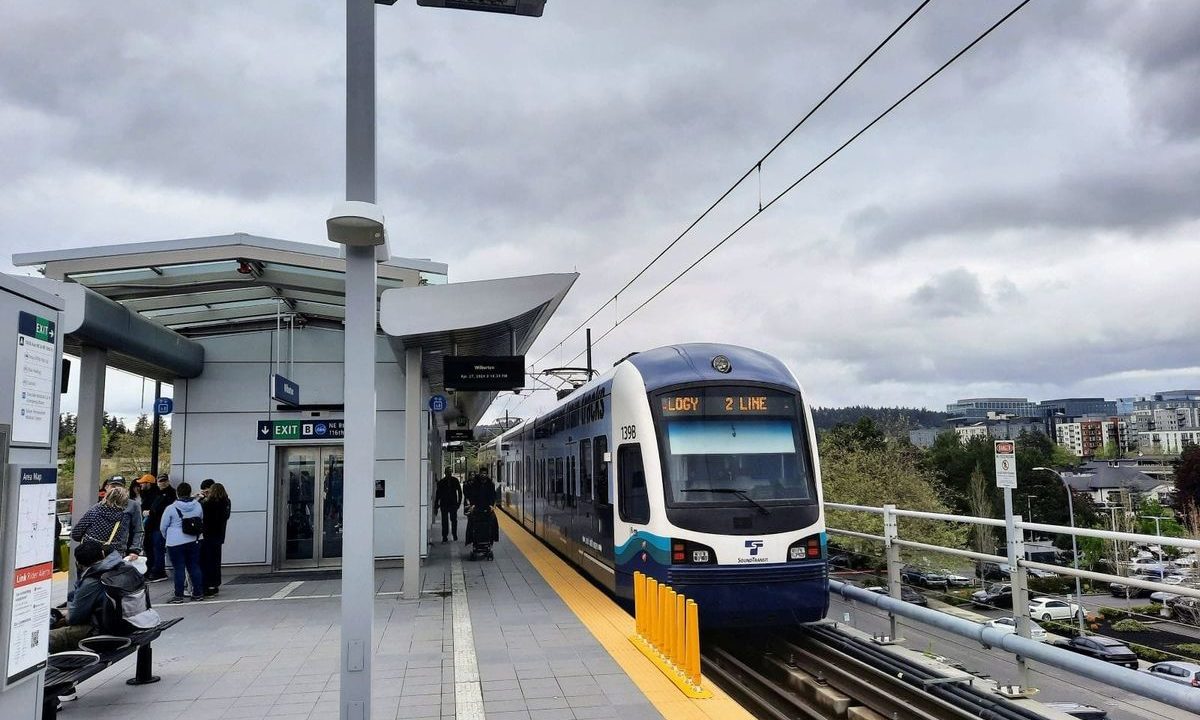
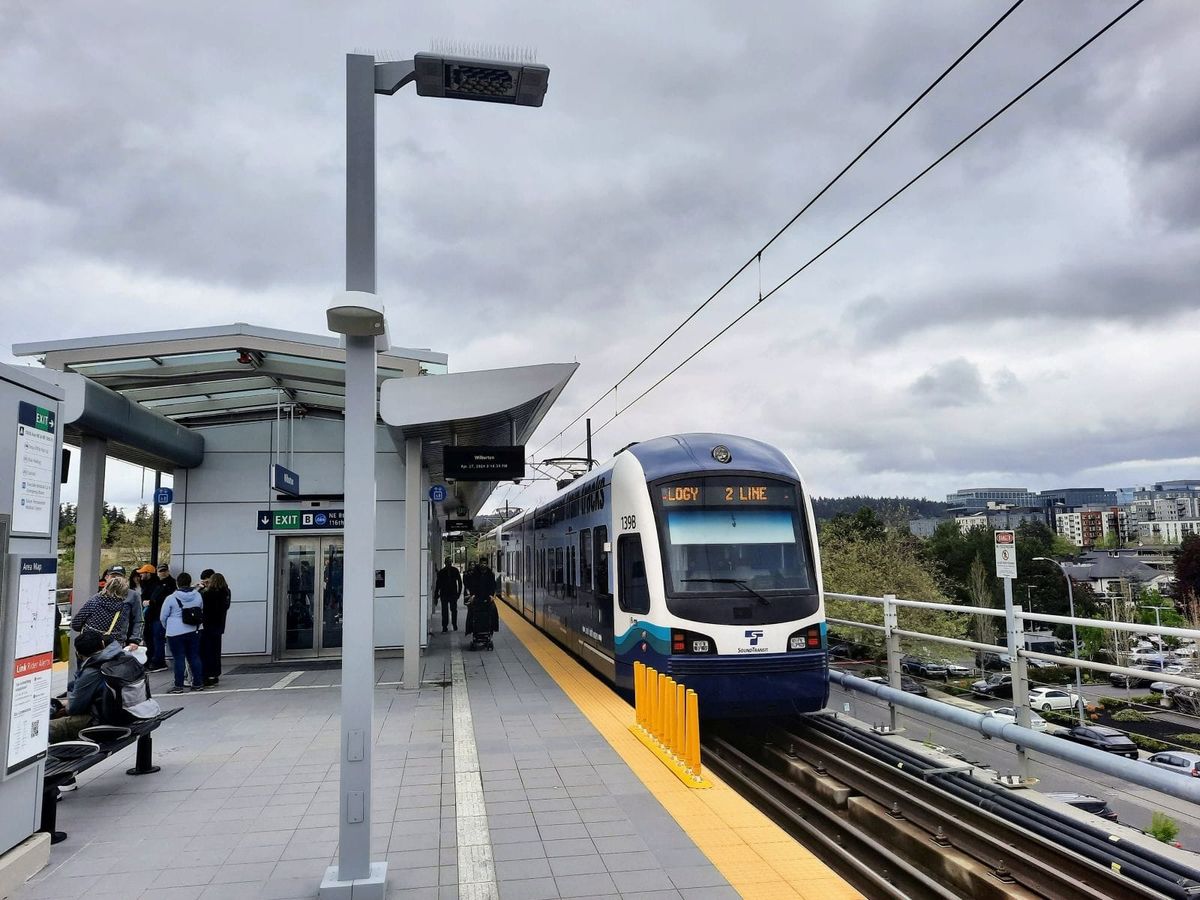
Bellevue, Washington, is seeing a surge in housing applications following the adoption of a new development code for its Wilburton neighborhood less than a year ago. The policy, implemented in a neighborhood near a new light rail station and considered a key transit-oriented development opportunity, has already attracted applications for over 2,300 new housing units. This figure rivals the total multifamily permit applications recorded citywide in Seattle throughout 2025, suggesting the Wilburton rezoning may represent a significant shift in regional housing policy.
While permit applications are a preliminary step, the volume indicates a strong market response to the policy. The Wilburton neighborhood, covering 1.7 square miles, is now experiencing development activity that could accommodate a substantial increase in housing supply. This early success challenges traditional approaches to housing development and affordability mandates.
The Underlying Problem: “Growth Pays for Growth”
For years, cities in Western Washington have operated under the principle of “Growth pays for growth.” This philosophy, which requires new developments to fund necessary infrastructure and affordable housing, has been widely adopted but is now being scrutinized for its unintended consequences. The author argues that this approach has contributed to the prohibitive cost of housing by placing the financial burden on new construction. This, in turn, can make market-rate housing economically unfeasible to build, thereby hindering the creation of the very housing it intends to subsidize. Renters and new homeowners effectively bear the cost of subsidizing affordable units within the same buildings.
Bellevue’s New Approach: Funded Inclusionary Zoning
Recognizing the limitations of traditional mandates, Bellevue adopted a strategy often referred to as “funded inclusionary zoning.” This approach acknowledges that if a city requires affordable housing units, it must also address the financial gap created by that requirement. In Wilburton, this gap is bridged by integrating the mandatory affordable housing component with the city’s 12-year Multifamily Tax Exemption (MFTE) program.
Under this system, developers who set aside 20% of a project’s units as affordable for households earning up to 80% of the area median income (approximately $80,000 annually for a two-person household) receive a 12-year property tax exemption on the residential improvements. For projects where on-site affordability is not feasible, a fee-in-lieu option allows developers to contribute funds that support affordable housing elsewhere in the city.
Unlike many programs that rely on future rent increases to make affordability work, the Wilburton code’s financial incentives are designed to be effective immediately upon passage.
A Regional Model?
The Wilburton rezoning is positioned as a test case for cities across the West Coast grappling with the tension between affordability mandates and market realities. The article suggests a prevailing trend in King County where cities have increased the number of required affordable units while lowering the income levels they must serve. This has, in practice, made financing new developments increasingly difficult, leading to fewer construction projects and escalating rents.
Oregon has begun to address this issue through legislation like Senate Bill 1521, which mandates that jurisdictions with mandatory inclusionary zoning fully offset the costs of these requirements through measures such as direct payments, fee waivers, or tax abatements. The underlying principle is that if a community desires the public benefit of affordable housing, it must contribute to its financial viability.
Bellevue’s Path to Funded Affordability
Bellevue arrived at its funded approach not because it was politically expedient, but because the financial analysis supported its feasibility. The development of the Wilburton code involved extensive collaboration between the Bellevue Chamber of Commerce’s Permitting, Land Use, Sustainability, and Housing (PLUSH) Committee, local developers, affordable housing providers, and urbanists, who contributed thousands of volunteer hours. Deputy Mayor Dave Hamilton and the City Council are credited with pursuing a code that could be effective immediately.
The Wilburton rezone has the potential to create capacity for 14,800 new homes, 12 million square feet of commercial space, and up to 35,500 jobs, centered around a major regional transit hub. This represents a significant long-term opportunity for the Eastside.
The broader takeaway is that to achieve greater housing supply, including affordable units, policies must align with current market conditions. The article posits that taxing housing to fund housing is counterproductive, leading to less housing at higher costs. Bellevue’s strategy aims to foster transit use, public safety, job creation, and housing growth simultaneously, demonstrating that these objectives are not mutually exclusive but rather reinforcing.
Key facts
| Aspect | Detail |
| :———————- | :——————————————————————————- |
| Policy Name | Wilburton Neighborhood Development Code (Funded Inclusionary Zoning) |
| Housing Units Applied | Over 2,300 in less than 12 months |
| Affordability Requirement | 20% of units affordable to households at 80% Area Median Income |
| Incentive Mechanism | 12-year property tax exemption on residential improvements (MFTE program) |
| Alternative Option | Fee-in-lieu for off-site affordable housing contributions |
| Projected Capacity | 14,800 new homes, 12 million sq ft commercial space, 35,500 jobs in Wilburton |
The Wilburton rezoning is changing the landscape of urban planning in Bellevue by introducing a financially sustainable model for affordable housing. By pairing mandatory affordability with tangible developer incentives, the policy aims to unlock new housing supply without stifling development. This approach could influence how other cities tackle the complex challenge of housing affordability in rapidly growing urban areas.
Source: The Urbanist (https://www.theurbanist.org/op-ed/)
Key facts
| Point | Detail |
|---|---|
| Source | The Urbanist |
| Date | 2026-06-07T14:00:34+00:00 |
| Topic | Op-Ed: Bellevue’s Wilburton Housing Policy Actually Builds Housing |
Fuente
The Urbanist Publicacion original: 2026-06-07T14:00:34+00:00
Related updates

New York Poll Shows Overwhelming Bipartisan Support for Apartments Near Transit, Highlighting Contrast with London’s Own Housing Debate
A new poll from Open New York finds 79% of voters support building multi-family homes near rail stations, as the governor’s race…
Read update
Seattle City Attorney Launches New Community Court and Repeat Offender Programme Amid Public Defender Concerns
Seattle City Attorney Erika Evans has launched Connection Court, a new community court programme, alongside a punitive High-Priority Repeat Offenses system. The…
Read update
Seattle’s Centers & Corridors Zoning Update Delayed by Environmental Review Ruling
A state hearings board ruling has forced Seattle to rework the environmental impact statement for its twenty-year growth plan, pushing the next…
Read update
FEMA disaster mitigation grants freeze threatens to stall UK resilience learning, planners warn
A US Government Accountability Office report says $2.2 billion in FEMA Building Resilient Infrastructure and Communities grants remain unresolved, delaying more than…
Read updateWiki relacionada

Urban Planning Terms: Density, Public Realm and Transit-Oriented Development
A living glossary for terms that appear again and again in planning and development stories.
Read update