
US Households Lag in Access to Frequent, Reliable Public Transit, Report Finds
A new analysis from the Urban Institute highlights that only 10% of American homes are situated within half a mile of public transit offering frequent and reliable service, underscoring the nation's persistent car dependency.

A comprehensive analysis by the Urban Institute has revealed a significant gap in access to high-quality public transit across the United States. The report indicates that a mere 10% of US households are located within a half-mile radius of transit services that are both frequent and reliable. This finding underscores the pervasive car dependency that shapes urban and suburban life in the US, with profound implications for land use, housing, and the environment.
Geographic Disparities in Transit Access
The report highlights substantial regional variations in transit accessibility. Major, densely populated cities such as New York, Chicago, and Boston demonstrate the highest proportions of residents living within reach of frequent transit. Conversely, cities like Miami, Tampa, and Detroit show considerably lower access rates, with only 1% of households benefiting from such services.
At the state level, Mississippi reports the smallest share of homes near any form of transit, at just 10%. California, in contrast, leads the nation with an impressive 73.4% of households having access to transit. These figures illustrate how differing urban forms, planning policies, and investment priorities contribute to vastly different mobility landscapes across the country.
Perpetuating Car Dependency and the Role of Urban Design
The Urban Institute’s analysis directly links the limited availability of frequent and reliable transit to the enduring reliance on private vehicles in the US. Urban design and infrastructure development have historically favoured the automobile, leading to sprawling development patterns that often place residential areas far from walkable amenities and public transport hubs. This car-centric approach not only increases transportation costs for households but also contributes to greenhouse gas emissions and limits mobility options for those without access to a car.
However, the report also points to emerging trends and policy shifts aimed at addressing this imbalance. In recent years, states like California and Massachusetts have begun implementing new transit-oriented development (TOD) policies. These policies encourage denser housing construction in neighbourhoods well-served by public transport, including trains and buses. This strategic approach seeks to create more vibrant, transit-friendly communities.
Signs of a Shifting Tide
Despite the challenges, the data suggests a gradual shift towards greater transit accessibility. According to the report, since the year 2000, every urban area in the country has concentrated a larger share of its new housing development near transit corridors compared to previous decades. This trend indicates a growing recognition among planners and developers of the benefits of integrating housing with public transport infrastructure.
Policy Recommendations for Enhanced Transit Access
The Urban Institute’s report offers clear recommendations for policymakers and urban planners seeking to improve transit access and reduce car dependency. Key among these are:
- Continued Support for Zoning Reforms: Cities are encouraged to maintain and expand zoning policies that permit increased housing density in areas proximate to transit. This can include measures like upzoning and reducing minimum parking requirements.
- Investment in Transit Infrastructure: Significant investment is needed to enhance the frequency and reliability of public transit services. This includes expanding routes, increasing service hours, and improving the overall quality of the rider experience.
- Improving Transit-Adjacent Areas: Investments in quality-of-life improvements in areas surrounding transit stops and stations are crucial. These could encompass enhanced pedestrian and cycling infrastructure, improved public spaces, and amenities that attract both residents and businesses, thereby fostering vibrant, transit-oriented communities.
The report’s findings serve as a critical reminder of the ongoing work required to build more equitable, sustainable, and accessible cities across the United States. By prioritising transit-oriented development and investing in robust public transportation networks, cities can begin to dismantle the structures of car dependency and create urban environments that better serve all residents.
Key facts
| Aspect | Finding |
|---|---|
| Households near transit | 10% of US households are within 0.5 miles of frequent, reliable transit. |
| Highest access cities | New York, Chicago, Boston |
| Lowest access cities | Miami, Tampa, Detroit (1% of households) |
| State leading in access | California (73.4% of households) |
| State with lowest access | Mississippi (10% of households) |
| Trend since 2000 | Increased concentration of new housing near transit in all urban areas. |
| Key recommendations | Zoning reform, investment in frequent transit, quality improvements near transit. |
The report by the Urban Institute, as detailed in Governing, provides crucial data for understanding the current state of public transit access in the US and its connection to broader issues of urban development and car dependency. The findings have direct relevance for urban planning and policy decisions aimed at creating more sustainable and equitable transportation systems. The emphasis on zoning reforms and investment in transit-adjacent areas offers a practical roadmap for cities looking to enhance mobility options and reduce reliance on private vehicles.
Source: Planetizen News, https://www.planetizen.com/news/2026/06/137741-report-just-10-us-households-live-near-frequent-reliable-transit
Fuente
Planetizen News Publicacion original: 2026-06-07T17:00:00+00:00
Related updates
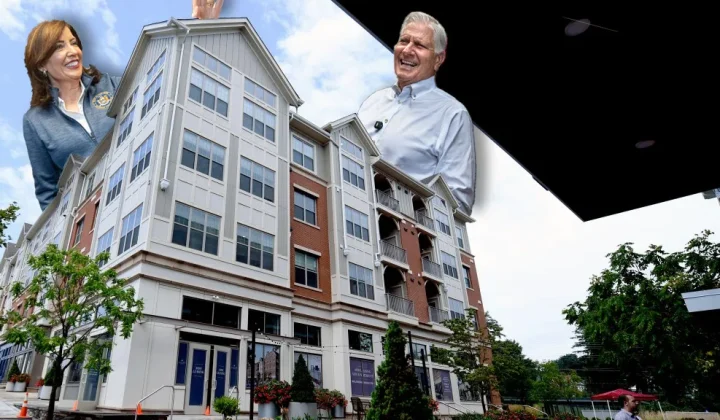
New York Poll Shows Overwhelming Bipartisan Support for Apartments Near Transit, Highlighting Contrast with London’s Own Housing Debate
A new poll from Open New York finds 79% of voters support building multi-family homes near rail stations, as the governor’s race…
Read update
Seattle City Attorney Launches New Community Court and Repeat Offender Programme Amid Public Defender Concerns
Seattle City Attorney Erika Evans has launched Connection Court, a new community court programme, alongside a punitive High-Priority Repeat Offenses system. The…
Read update
Seattle’s Centers & Corridors Zoning Update Delayed by Environmental Review Ruling
A state hearings board ruling has forced Seattle to rework the environmental impact statement for its twenty-year growth plan, pushing the next…
Read update
FEMA disaster mitigation grants freeze threatens to stall UK resilience learning, planners warn
A US Government Accountability Office report says $2.2 billion in FEMA Building Resilient Infrastructure and Communities grants remain unresolved, delaying more than…
Read updateWiki relacionada

Urban Planning Terms: Density, Public Realm and Transit-Oriented Development
A living glossary for terms that appear again and again in planning and development stories.
Read update