
Seattle’s Housing Growth Plan Faces Criticism Over Environmental Impact Claims
An opinion piece in The Urbanist argues that opposition to Seattle's Comprehensive Plan wrongly blames new housing for environmental threats, diverting attention from the greater impact of car infrastructure.
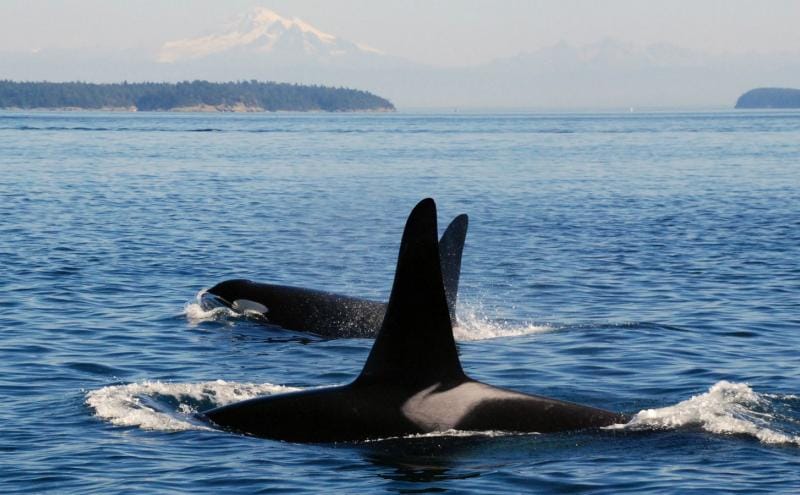
The debate over Seattle’s Comprehensive Plan, a 20-year framework for housing growth, has seen environmental concerns weaponized against new development, according to an opinion piece published by The Urbanist. Critics of the plan, such as Jennifer Godfrey of Orca Nexus, have argued that new housing will increase impervious surfaces, generate stormwater runoff, and ultimately harm the endangered Southern Resident killer whales. However, the piece contends that this opposition misdirects blame, overlooking the far more significant environmental damage caused by the city’s extensive car infrastructure.
Focus on Surface Parking
The article highlights that while impervious surfaces do contribute to the pollution of local waterways, the primary culprits are not new apartment buildings, which are required to manage stormwater on-site, but existing roads and vast surface parking lots. These existing structures continuously shed tire particles, brake dust, oil, and heavy metals into drainage systems with every rainfall. A proposed policy agenda, which has not been championed by the opposition, would mandate permeable pavement for resurfaced parking lots and require retrofits on larger lots, directly addressing the sources of toxic runoff.
The 6PPD-Quinone Problem
A key scientific finding discussed is the identification of 6PPD-quinone, a toxic compound resulting from the wear of car tires, as a major contributor to the decline of coho salmon in Seattle-area creeks. A 2021 study revealed that this compound, present in stormwater runoff at concentrations far exceeding lethal levels for salmon, is a primary cause of their death during spawning runs. This issue predates the current housing plan and is a direct consequence of decades of car-centric land use. Researchers observed this phenomenon in Pipers Creek years before the compound was identified, demonstrating that the environmental damage was already occurring on existing infrastructure.
Scale of Car Infrastructure
The scale of Seattle’s car infrastructure is presented as a stark contrast to the projected impact of new housing. The city’s street network alone comprises approximately 5,750 acres of paved surface. When combined with an estimated 11,000 acres of surface parking lots, this amounts to roughly 17,000 acres of impervious surface dedicated solely to cars. This vast expanse is a constant source of pollution, with tires generating millions of tonnes of microplastic particles globally each year. The article notes that electric vehicles, due to their weight and torque, can contribute to even higher tire emissions.
Disputed Environmental Impact of Housing
The opposition’s claims regarding future tree canopy loss are challenged by data suggesting that only a small fraction of recent canopy loss is attributable to development. The majority is linked to climate stress, aging trees, and a historical failure to meet canopy targets. The article argues that the environmental concerns raised are a “tiny fraction of the existing impermeable surface” and that the opposition is employing “nimbyism” – Not In My Backyard – by using environmental issues to restrict access to housing in desirable urban areas.
A Shift in Urban Policy
The piece concludes by suggesting that Seattle’s environmental narrative has been performative, taking credit for clear skies while allowing pollution to enter Puget Sound. It calls for a shift in land-use processes to stop enabling such opposition and to prioritize meeting housing goals. The extensive and continuous pollution load from existing car infrastructure is presented as the critical environmental issue that requires immediate attention, rather than speculative impacts from necessary housing development.
Key facts
| Aspect | Detail |
|---|---|
| Housing Target | 112,000 units proposed in Seattle Comprehensive Plan |
| Primary Pollutant Source | Existing roads and surface parking lots |
| Key Toxic Compound | 6PPD-quinone from tire wear |
| Scale of Car Infrastructure | Approx. 17,000 acres of impervious surface in Seattle |
| Opposition Argument | New housing increases impervious surfaces and runoff |
| Counter Argument | Existing car infrastructure is the larger, immediate source |
Source: The Urbanist – https://www.theurbanist.org/op-ed-the-orca-whales-didnt-hire-toby-thaler/
Fuente
The Urbanist Publicacion original: 2026-05-29T18:11:30+00:00
Related updates
New York Poll Shows Overwhelming Bipartisan Support for Apartments Near Transit, Highlighting Contrast with London’s Own Housing Debate
A new poll from Open New York finds 79% of voters support building multi-family homes near rail stations, as the governor’s race…
Read update
Seattle City Attorney Launches New Community Court and Repeat Offender Programme Amid Public Defender Concerns
Seattle City Attorney Erika Evans has launched Connection Court, a new community court programme, alongside a punitive High-Priority Repeat Offenses system. The…
Read update
Seattle’s Centers & Corridors Zoning Update Delayed by Environmental Review Ruling
A state hearings board ruling has forced Seattle to rework the environmental impact statement for its twenty-year growth plan, pushing the next…
Read update
FEMA disaster mitigation grants freeze threatens to stall UK resilience learning, planners warn
A US Government Accountability Office report says $2.2 billion in FEMA Building Resilient Infrastructure and Communities grants remain unresolved, delaying more than…
Read update