
Global Energy Crisis Highlights Urgency for Transport Electrification, Says ITDP
The Institute for Transportation and Development Policy (ITDP) has responded to the escalating global energy crisis, exacerbated by the closure of the Strait of Hormuz, by urging a swift transition away from fossil fuel subsidies towards greater transport efficiency and electrification.
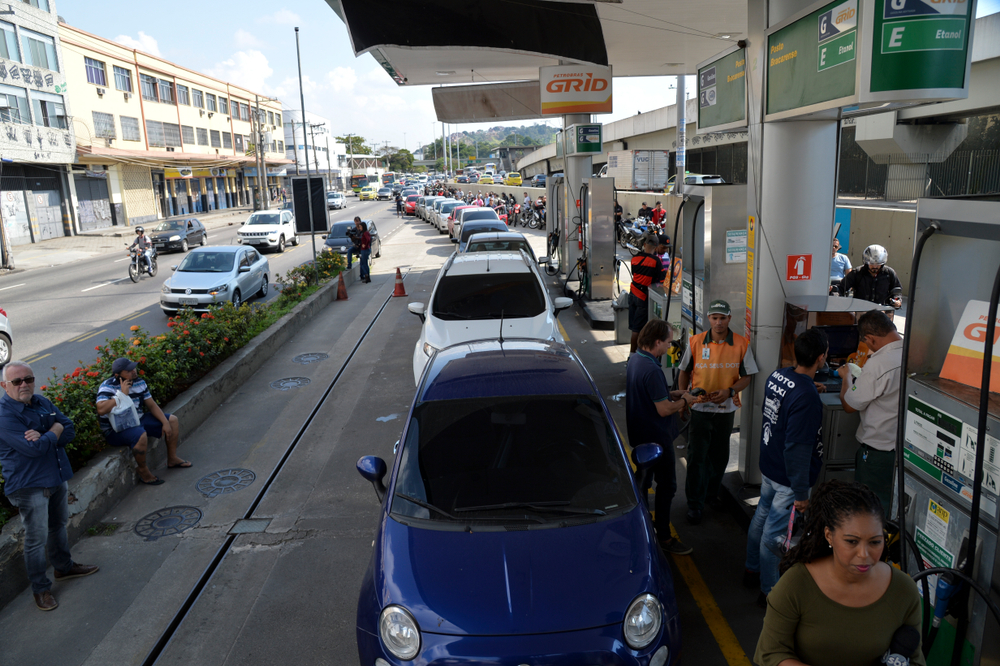
The current global energy crisis, triggered by the closure of the Strait of Hormuz, has led to significant price surges for oil and natural gas, impacting the transport sector worldwide. In response, the Institute for Transportation and Development Policy (ITDP) is advocating for a strategic shift away from fossil fuel subsidies, instead promoting increased energy efficiency and widespread transport electrification as the most beneficial long-term path for nations.
The crisis, which has seen oil prices increase by up to 60% and natural gas prices by up to 100% in recent months, underscores the vulnerability of economies heavily reliant on fossil fuels. The Strait of Hormuz, a critical chokepoint for international energy flows, has been highlighted as a significant risk. Even if reopened, the potential for future closures suggests a future of structurally higher energy costs, making the current situation one of the most damaging energy crises since the 1970s.
ITDP highlights a critical decision point for countries worldwide: either subsidise existing energy consumption patterns to mitigate immediate impacts, or embrace more efficient energy use and accelerate the electrification of the transport sector. The organisation strongly recommends the latter, citing long-term economic advantages.
Adding Fossil Fuel Subsidies: A Catastrophic Mistake
ITDP strongly cautions against the implementation or expansion of fossil fuel subsidies, labelling them as “wasteful, polluting, and unfair.” Citing analyses from New York University’s Center on International Cooperation and the Brookings Institution, the policy is described as “doubling down on commodities with an uncertain economic future.”
While intended to aid the poor, energy subsidies are often regressive, disproportionately benefiting car owners and high energy consumers who are least in need. Fundamentally, subsidies encourage increased fossil fuel consumption, sending the wrong signal during a period of scarcity. Once established, fuel subsidies are notoriously difficult to remove, requiring carefully designed policies and opportune moments to avoid harming vulnerable populations. By artificially lowering fuel costs, subsidies not only increase consumption but also delay the transition to more energy-efficient modes and cleaner fuels, exacerbating economic vulnerabilities.
A Better Approach: Efficiency and Electrification
Many national economies are already susceptible to fluctuations in oil and gasoline prices, which can rapidly deplete foreign currency reserves and hinder imports of essential goods. The current crisis has amplified these vulnerabilities, but proactive measures have already been taken in some regions.
Ethiopia, for instance, banned the import of internal combustion engine (ICE) vehicles in 2024 and has since made substantial investments in walking, cycling, and public transport infrastructure. While the full impact of the ICE ban will take time, improvements in bus services and cycling paths are already providing cost and fuel savings for citizens.
Indonesia offers another example. After implementing fuel subsidies in the 1970s, the country significantly reduced them in 2015, cutting subsidy expenditures from 20% to 5% of the national budget. Concurrently, the government introduced a “Buy the Service” scheme to subsidise public transport and improve services to a minimum standard, alongside continued investment in bus rapid transit (BRT), metro, and light rail systems. Tax incentives for electric vehicle purchases were also introduced.
These examples demonstrate that shifts towards more efficient transport modes can be achieved relatively quickly. Street space can be reallocated using temporary materials, as seen during the COVID-19 pandemic, and improved public transport services can be implemented rapidly.
In the medium term, transitioning to electric vehicles, particularly electric buses, requires more substantial investment. However, ITDP suggests that by signalling government interest to manufacturers and developing necessary infrastructure, such as charging facilities, the transition can gain momentum.
Unlike extensive fuel subsidies, which strain government budgets, an efficiency and electrification strategy—termed “Compact Cities – Electrified” by ITDP—promises long-term cost savings. This approach involves building more efficient infrastructure, such as buses and trains, which require less pavement per person than cars, and utilising energy more efficiently. Electric engines, for example, transfer approximately 75% of energy into motion, compared to about 20% for ICE engines. This efficiency frees up government funds for other priorities like education and healthcare.
Furthermore, a Compact Cities – Electrified approach significantly reduces reliance on fuel imports, thereby mitigating vulnerability to future energy crises. Oil-exporting nations, such as Brazil and Mexico, which have seen increased oil revenues due to constrained supply in the Middle East, are encouraged to redirect these funds towards bus electrification and other vehicle electrification initiatives, rather than perpetuating fuel subsidies.
The current energy crisis is not an isolated event; it is one of many that the world has faced and will continue to face. The ITDP draws a parallel to the 1970s energy crisis, where the Netherlands and the United States made divergent choices. In 2025, despite similar per capita wealth, the average American consumed roughly three times more gasoline and diesel than the average Dutch person. With lower baseline fuel consumption and a robust network of transport alternatives, the Netherlands is better equipped to handle rising fuel prices.
In the 1970s, cars were less common, and the choice of how to proceed was less urgent. Today, wealthier nations face a more pressing decision: will they follow the path of oil dependency, as the United States did, potentially locking in this reliance for generations, or will they emulate the Netherlands’s lead towards a more resilient and sustainable transport system?
Key facts
| Aspect | Detail |
|---|---|
| Triggering Event | Closure of the Strait of Hormuz |
| Impact on Prices | Oil prices up to 60%, natural gas prices up to 100% |
| ITDP Recommendation | Transport efficiency and electrification over fossil fuel subsidies |
| Proposed Strategy Name | Compact Cities – Electrified |
| Benefits of Electrification | Long-term cost savings, reduced import reliance, improved efficiency |
Fuente: Institute for Transportation and Development Policy (ITDP) – https://itdp.org/2026/05/28/itdp-response-to-the-iran-energy-crisis/
Fuente
ITDP Publicacion original: 2026-05-28T17:38:33+00:00
Related updates

New York Poll Shows Overwhelming Bipartisan Support for Apartments Near Transit, Highlighting Contrast with London’s Own Housing Debate
A new poll from Open New York finds 79% of voters support building multi-family homes near rail stations, as the governor’s race…
Read update
Seattle City Attorney Launches New Community Court and Repeat Offender Programme Amid Public Defender Concerns
Seattle City Attorney Erika Evans has launched Connection Court, a new community court programme, alongside a punitive High-Priority Repeat Offenses system. The…
Read update
Seattle’s Centers & Corridors Zoning Update Delayed by Environmental Review Ruling
A state hearings board ruling has forced Seattle to rework the environmental impact statement for its twenty-year growth plan, pushing the next…
Read update
FEMA disaster mitigation grants freeze threatens to stall UK resilience learning, planners warn
A US Government Accountability Office report says $2.2 billion in FEMA Building Resilient Infrastructure and Communities grants remain unresolved, delaying more than…
Read updateWiki relacionada

Urban Planning Terms: Density, Public Realm and Transit-Oriented Development
A living glossary for terms that appear again and again in planning and development stories.
Read update