
US Surface Transport Funding Extended to December, Transit Faces Sharp Cuts
President Trump has signed a continuing resolution that funds surface transportation through mid-December but cuts public transit funding by 20% and passenger rail by 81%, setting up a high-stakes reauthorisation battle in Congress.
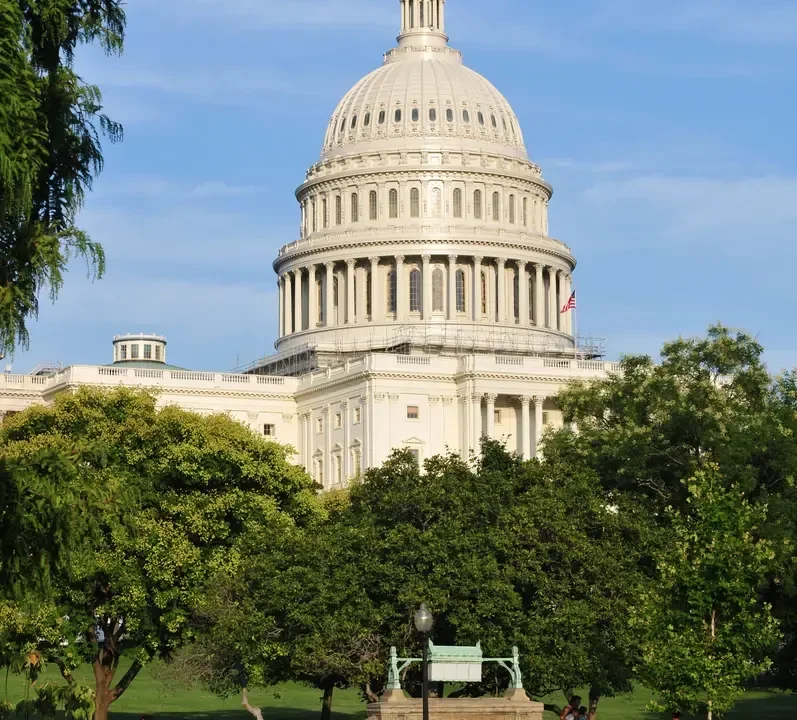
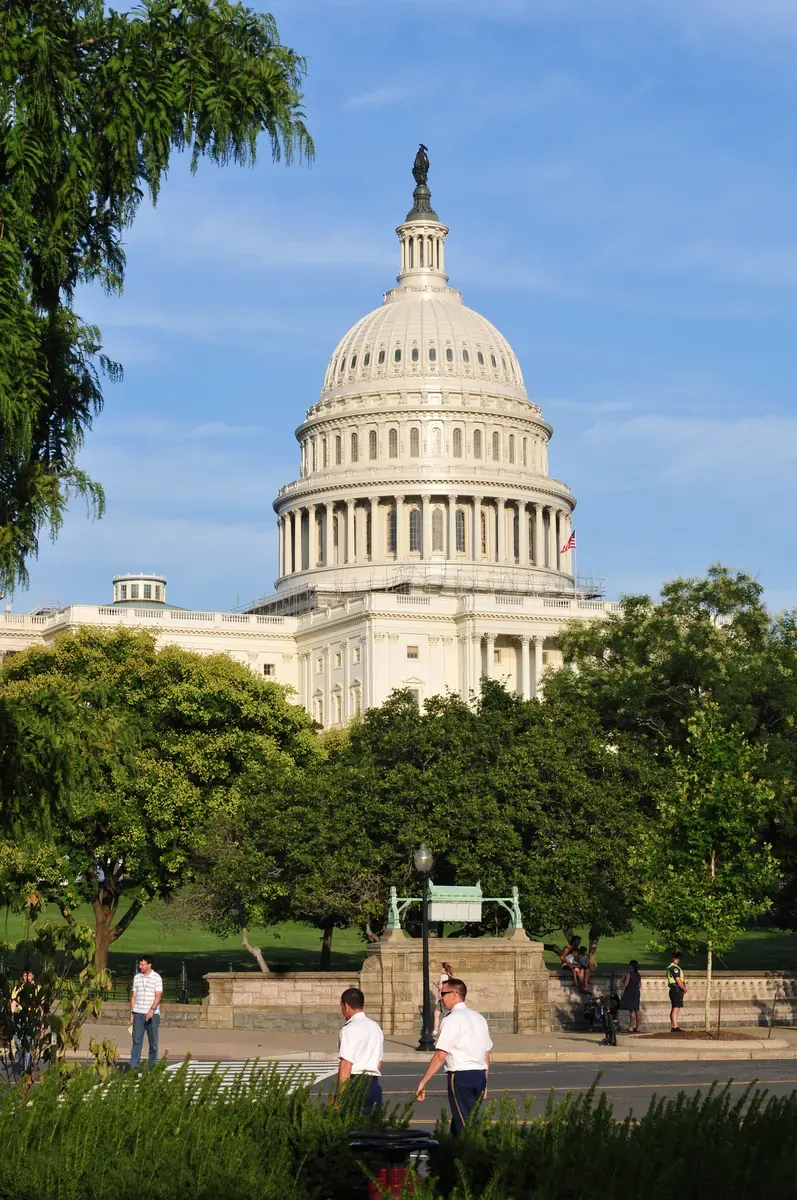
President Donald Trump signed the Continuing Appropriations and Extensions Act 2027 into law on 2 September, averting a government shutdown but imposing steep reductions on public transit and passenger rail funding. The temporary spending bill extends surface transportation programmes only until 11 December, when a full five-year reauthorisation bill must be agreed.
The measure, a continuing resolution passed by Congress on 1 September, keeps federal agencies funded past the 30 September fiscal year deadline. However, it does not include advance appropriations for public transit or passenger rail, resulting in a 20 per cent cut from current public transit funding levels and an 81 per cent reduction for passenger rail, according to Megan Perrero writing for Mass Transit.
The Infrastructure Investment and Jobs Act (IIJA), the landmark bipartisan infrastructure law that has funded road, bridge, transit and rail projects across the United States for the last five years, is now up for reauthorisation. The IIJA was signed into law in November 2021 and has provided roughly US$550 billion in new federal investment over five years. Its expiry creates a politically charged deadline for Congress to agree a successor bill.
Key facts
| Item | Detail |
|——|——–|
| Continuing resolution signed | 2 September 2026 |
| Current funding expires | 11 December 2026 |
| Public transit cut | 20 per cent below current levels |
| Passenger rail cut | 81 per cent below current levels |
| Full reauthorisation bill deadline | 11 December 2026 |
The cuts come at a time when many US transit agencies are already struggling with ridership recovery following the Covid-19 pandemic, rising operating costs and expiring federal pandemic relief funds. Agencies such as the Washington Metropolitan Area Transit Authority, the Metropolitan Transportation Authority in New York, and the Chicago Transit Authority have warned that without predictable federal support they face service reductions, deferred maintenance and fare increases.
For passenger rail, the 81 per cent cut is especially severe. Amtrak, the national rail operator, has relied on IIJA funding for major infrastructure upgrades on the Northeast Corridor and long-distance routes, including station modernisation, bridge replacements and fleet renewal. The continuing resolution’s funding level would leave Amtrak with substantially less certainty for its current fiscal year operations and capital programmes.
Industry response and the December deadline
With funding levels now set only through 11 December, the transportation industry is shifting its focus to lobbying for the next full surface transportation reauthorisation bill. The American Public Transportation Association, the American Association of State Highway and Transportation Officials, and rail advocacy groups are expected to press Congress for a multi-year bill that restores and ideally increases transit and rail funding.
The December deadline creates a compressed timeline for what is typically a lengthy legislative process. The last surface transportation reauthorisation, the Fixing America’s Surface Transportation Act in 2015, took over a year of negotiations. The IIJA itself was debated for months before passing with bipartisan support.
Key points of contention in the reauthorisation debate are likely to include overall funding levels, the formula for distributing funds between highway and transit programmes, climate and environmental justice provisions, and the role of public-private partnerships. The continuing resolution does not address any of these policy questions, leaving them for the reauthorisation bill.
Impact on transit agencies and passengers
The 20 per cent cut to public transit funding will immediately affect the budgets of transit agencies that had been planning on continued IIJA-level support. Many agencies have already committed federal funds to capital projects such as new rolling stock, bus fleet electrification, station accessibility upgrades and maintenance backlogs. A reduction in federal share may force agencies to delay or scale back projects, seek additional state or local funding, or reallocate operating budgets.
For passengers, the most direct consequences could include fewer service hours, longer headways on bus and rail lines, deferred station repairs and higher fares. Low-income and minority communities, which rely disproportionately on public transit, are likely to be hardest hit.
The passenger rail cut of 81 per cent is a more existential threat for Amtrak’s long-distance routes and corridor development plans. Amtrak has been pursuing expansion of service on corridors such as the Cascades, the Midwest, California and the Southeast, as well as major capital projects like the Gateway Programme in New York and New Jersey. A prolonged funding shortfall could halt or slow these initiatives.
What happens next
The clock is now running on a 99-day window for Congress to pass a full five-year surface transportation reauthorisation bill. Hearings, markups and floor debates are expected in both the House and Senate during September, October and November. If Congress fails to meet the 11 December deadline, another continuing resolution or a government shutdown could follow.
For urbanists, transport planners and transit users, the stakes are high. The reauthorisation will determine the shape of federal investment in mobility, infrastructure and climate resilience for the next half-decade. The outcome will affect not only the US but also global supply chains, carbon emissions and the viability of transit-oriented development.
The continuing resolution also carries implications for state and local governments that had been planning capital programmes based on IIJA funding levels. Many states have already obligated IIJA funds for specific projects; a reduction in future formula funding could create shortfalls that states must fill from their own budgets or by scaling back programmes.
Source: Planetizen News, “Surface transportation funding extended to mid-December,” https://www.planetizen.com/news/2026/09/138360-surface-transportation-funding-extended-mid-december
Datos clave
| Punto | Detalle |
|---|---|
| Fuente | Planetizen News |
| Fecha | 2026-09-05T12:00:00+00:00 |
| Tema | Surface transportation funding extended to mid-December |
Fuente
Planetizen News Publicacion original: 2026-09-05T12:00:00+00:00
Related updates

Seattle-Area Race Highlights Diverging Approaches to Housing, Transit and Tech Taxation
A Washington State legislative race in the 32nd District pits incrementalism against urgency on housing supply, transit funding and tech regulation, with…
Read update
New York court ruling on sanctuary policies carries implications for city-level immigration enforcement across the US
A federal judge has dismissed the Trump administration’s attempt to override New York City’s restrictions on immigration enforcement cooperation, citing state sovereignty.…
Read update
Automated license plate readers raise privacy, contract and oversight questions for UK cities
A new US-focused analysis of automated license plate recognition cameras highlights contract, privacy and oversight issues that London boroughs and Transport for…
Read update
Oregon’s “fix it first” dilemma: what London’s transport planners can learn from a revolt against megaprojects
Surveys show Oregonians overwhelmingly want existing roads repaired before new megaprojects are funded, and trust in the state’s transport agency has collapsed.…
Read updateWiki relacionada

Urban Planning Terms: Density, Public Realm and Transit-Oriented Development
A living glossary for terms that appear again and again in planning and development stories.
Read update